




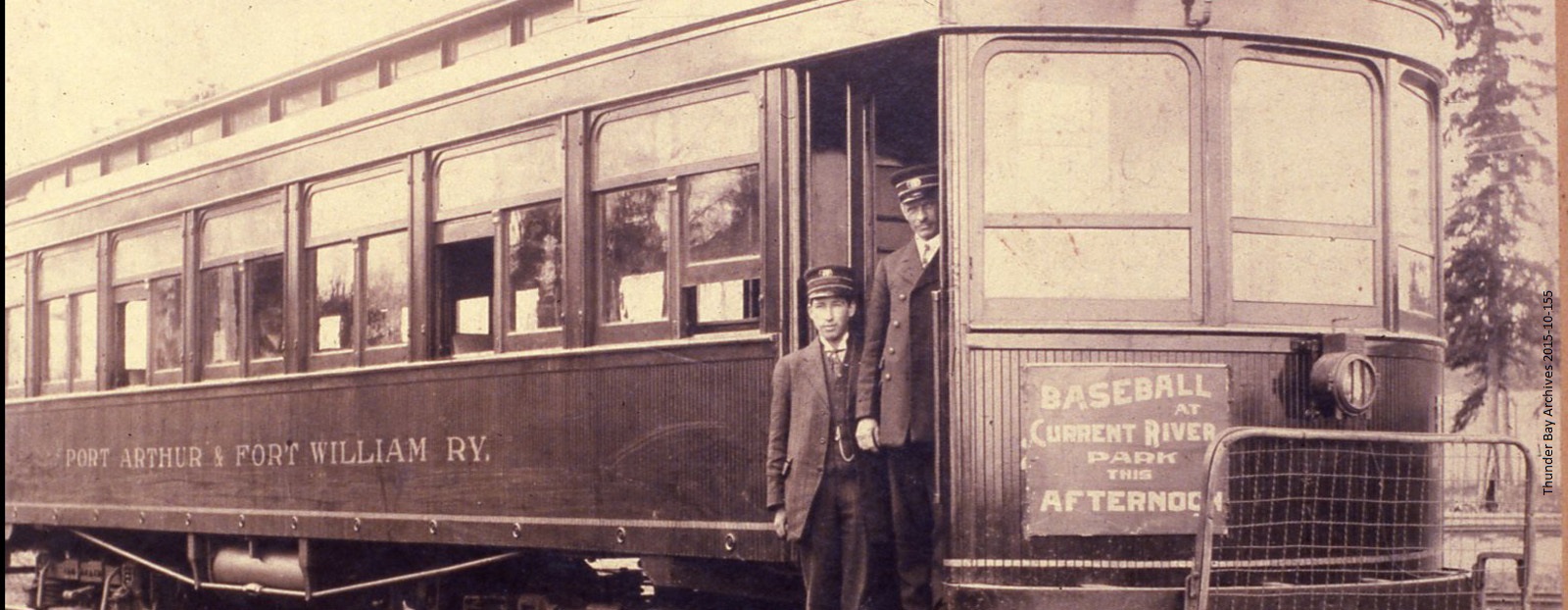


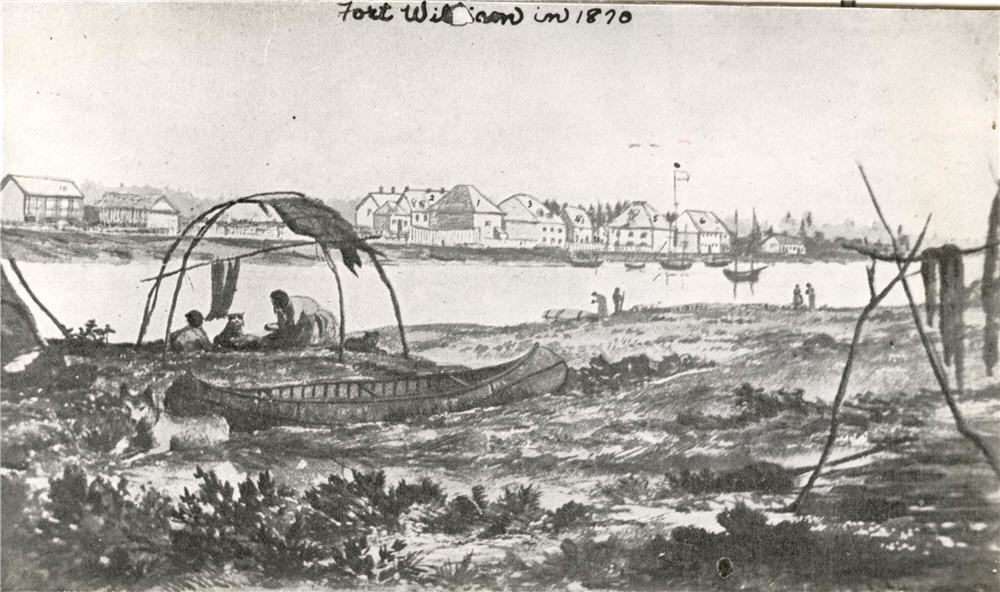
The history of Thunder Bay transit begins long before the amalgamation of Fort William and Port Arthur in 1970. Thunder Bay and its surrounding regions have a long and elaborate history within the fur trade, with Fort William being a prominent post in both the North West Company and the Hudson's Bay Company. Thunder Bay's central location in Canada made it a good location for railway activity toward the end of the nineteenth century. During the 1880s when it became known that the CPR would be building in Fort William, Port Arthur leaders were pushed to find a way to link their town to the growing town of Fort William.
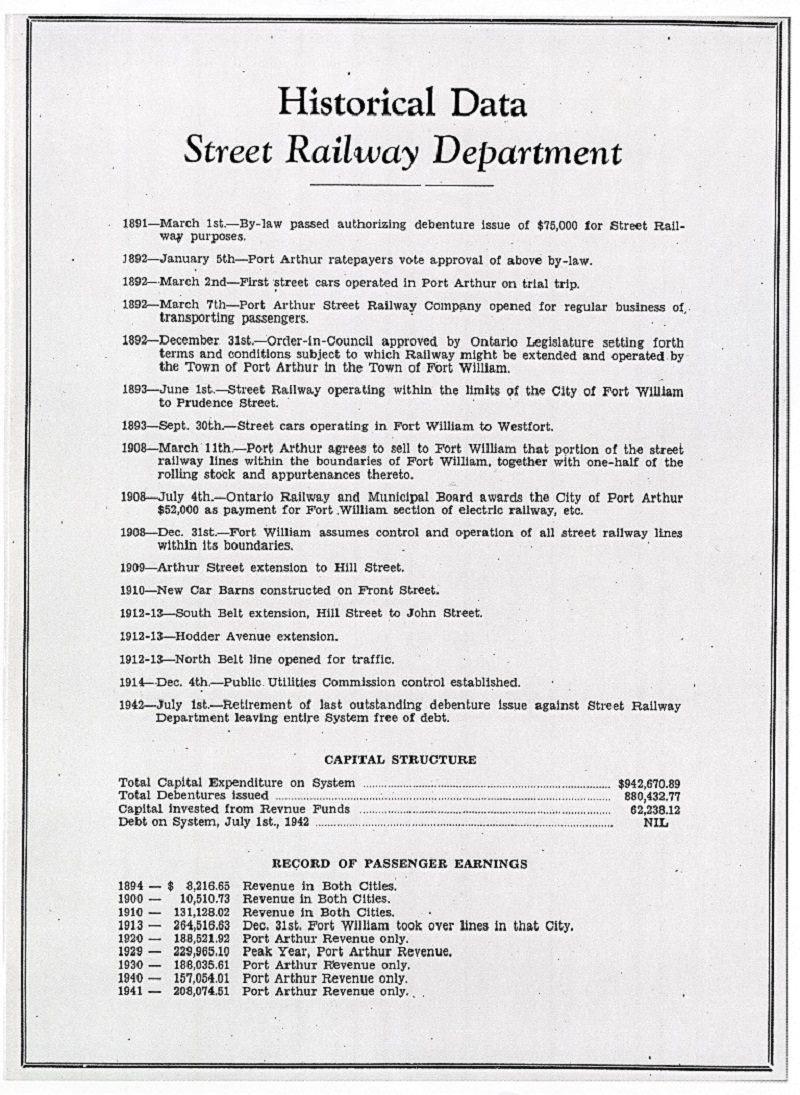
The idea of building an electric street railway took hold in 1891, helping spark an enduring civil rivalry that would last until the towns amalgamated in 1970. The building of the electric street railway, however, also marked the beginning of Thunder Bay's public transit history as it was the first municipally owned street railway in North America.
 Aside from the CPR, no other nineteenth-century major project affected the geography or institutions of Thunder Bay so greatly as the Port Arthur Street Railway. Current River became part of urban Thunder Bay, Fort William became a town, and Westfort was saved from economic demise. Psychologically, the railway gave Port Arthur a boost, giving it a cause, improving the skills and expertise of politicians and employees alike. By legitimizing the concept of municipal ownership, the railway made it easier for both Port Arthur and Fort William to take over ownership of all electric power and all of their Bell telephone systems. The creation of the Port Arthur Street Railway was an accomplishment in which the townsfolk could take pride.
| History of the Civic Railway |
|
East Fort William was created when the CPR determined that the lower Kaministiquia should be the focus of economic activities in Thunder Bay. This decision meant that Westfort would no longer be the railway terminus as it had been when the CPR was under federal government control. Fort William had been gradually growing in importance. The obvious advantages of the old fur trading post’s location at the mouth of the Kaministiquia River, coupled with the reluctance of ships’ captains to navigate up the river any farther than necessary, influenced CPR officials in their decision to construct major works there. Once the CPR secured land from the McVicar and McKellar families, the railway company began building. Grain elevators and a railway station were located near the foot of what is now Victoria Avenue. Coal docks and the round house were destined for the Hudson’s Bay Company property in what came to be called the East End.
When it became obvious that the CPR was building in east Fort William, businessmen had an interest in linking Port Arthur to Fort William as early as 1884. In October of that year, a group of Port Arthur promoters advertised in the Daily Sentinel that they would be applying to the Ontario Legislature for an Act to Incorporate the Port Arthur street railway in Port Arthur and Neebing. There is no evidence that anything came of it until 1887, when the Daily Sentinel reported that a meeting of the Port Arthur street railway had been held in Toronto for the purpose of building a street railway from the CPR station on the McVicar property in Port Arthur to Fort William. Despite a report that work would be started that summer, there is no evidence any work actually began. By 1890, Port Arthur was in economic decline. The silver mining boom was at a close. In 1889, Port Arthur council got into a tax dispute with the CPR, prompting CPR president William Van Horne and his Western lieutenant William Whyte to declare that they were, thereafter, unwilling to “waste any sweetness” on Port Arthur. In east Fort William, a joint subdivision of the Hudson’s Bay Company and the CPR properties was formed by 1890. At the same time, the McVicar and McKellar families subdivided their properties to the west of Port Arthur and succeeded in bringing Fort William’s business there, forming the centre of what would become the town of Fort William in 1892. Aside from the loss of railway facilities, community leaders were worried that railway workers living in Port Arthur would, for the sake of convenience, follow their employer to Fort William. A newspaper editorial compared the status of the two centres and, even allowing for the usual exaggerations, showed the grim conditions which prevailed in the Port Arthur at the time: “Fort William a divisional point on the CPR with Round House, yard and extensive shops in prospect. Port Arthur abandoned. New buildings at every turn in Fort William – houses by the dozen under construction, and occupants waiting to go in them before the paint is dry – empty houses by the dozen in Port Arthur, and the ominous sign To Let on every hand. No new buildings in course of erection, but broken window panes and other evidences of abandonment, dilapidation and decay.”
The electric street railway was an bold project that was years ahead of its time and by its very nature, attracted admirers and supporters. In Fort William, the Journal noted,
"the street railway will hardly be a paying one at the start and… it is likely to be a loss at the finish, unless Fort William grows to such dimensions that Port Arthur can be utilized as a suburb for residential purposes.”
On August 15, 1890, Port Arthur town council formed a special committee to report on the A number of successful businessmen proposed private ventures to build the railway. The bombshell came in March of 1891 when Thomas Mark & Co. offered to build an electric street railway to Fort William in return for $75,000 of 4% bonds, but not along Fort William road as the various Electric Street Railway Committees had recommended. They proposed the abandoned roadbed of the Prince Arthur’s Landing and Kaministiquia railway, veering southerly to the Port Arthur boundary where they would construct a new street to connect up with Dease Street in Fort William. Since the normal Ontario pattern was for the municipality to grant a franchise to a street railway or to grant a bonus, the entrepreneurs believed that the $75,000 by-law did not preclude their proposals. Ruttan rejected Marks’ proposal using resentment of the Marks family’s commercial dominance for support. He was quoted declaring that, “The money was voted to build a street railway not colonization road.” The Marks family attempted to quash the by-law to raise $75,000 for a railway claiming it was an illegal and unnecessary expense.
The Marks family with a new group, the Property Holder’s Association, whom Mayor Ruttan accused of being a group organized by the supporters of Marks, were opposed to the public ownership of the street railway. The Property Holder’s Association took up the Marks family’s legal challenge and initiated an action before the Ontario High Court of Justice to declare by-law 281 out of Port Arthur's legal authority and restrain the council from building the street railway. The town moved to legalize the by-law and a remedial by-law was drafted describing the proposed route of the railway through Port Arthur and giving details of the estimated cost, voting to take place on August 20, 1891. The vote again passed with only 59 ratepayers opposing the by-law. It was smooth sailing for the street railway after that.
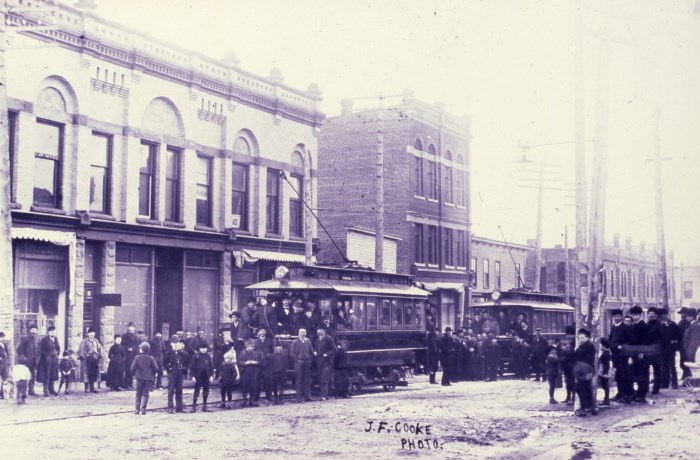
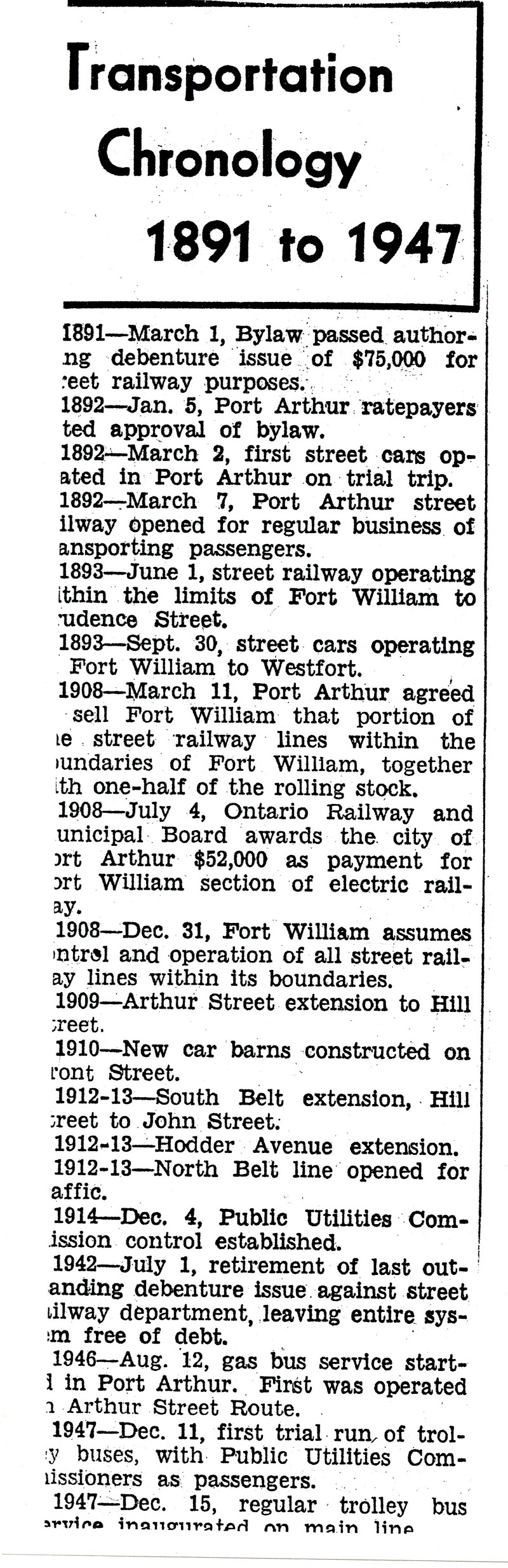
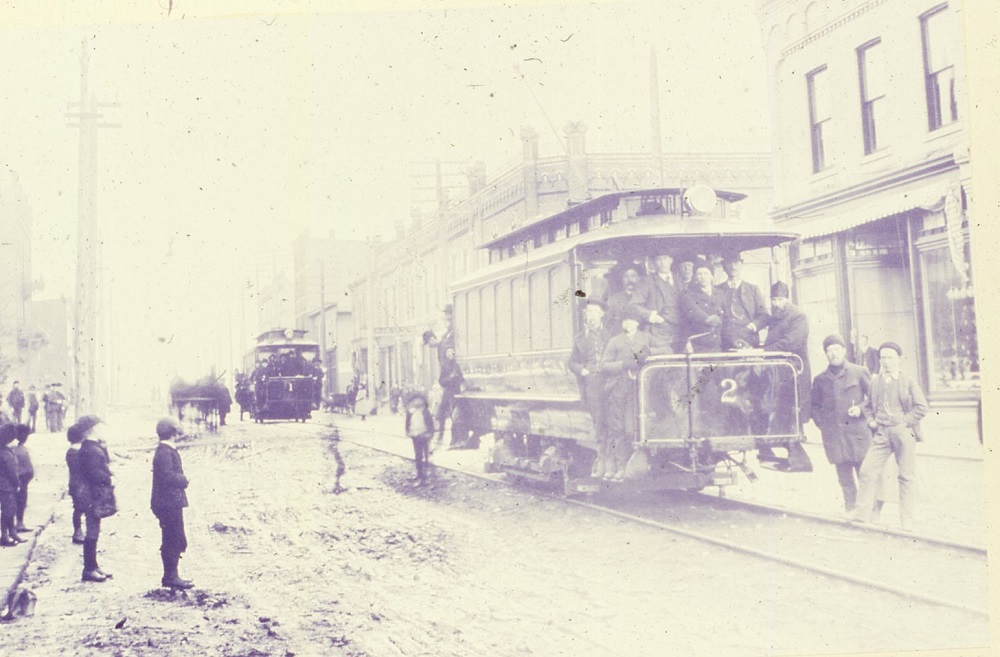
In October 1891, council approved acceptance of the Edison Electric Light Company tender of $29,520 for furnishing all apparatus and equipment except for construction of the powerhouse. By December, the Current River powerhouse was under construction and wires had been strung to the Algoma Hotel by New Year’s Eve. Ruttan was re-elected mayor of Port Arthur in January 1892, then on Tuesday, March 1, shortly after 4 o’clock, Car no.2 made an experimental trip under the guidance of Edison engineer Peterson. Monday, March 7, 1892 was the official opening day. At nine o’clock, people gathered at the car barn to watch Edison engineer Barr make the final connections of electric currents. On Cumberland Street the two gleaming cars - Car no.2 in front driven by Mr. Barr - were photographed by J.F. Cooke. When committees from the two settlements met to discuss the street railway, Fort William made it clear that Port Arthur “could bring their passengers to the border of the municipality if they chose and let them hoof it the rest of the way.” Throughout 1891 the Neebing Council, led by John McKellar, fought Port Arthur’s plan for the street railway. A request to allow the line to be built through Neebing as far as Westfort was coldly rejected, while a counter request was sent to the Ontario Legislature asking that body “not to grant Port Arthur or any corporation power to construct and operate a street railway from Port Arthur through any part of the municipality of Neebing.” Port Arthur politicians also temporarily prevented Fort William from franchising its own street railway. At a May 1892 meeting in Toronto, the Provincial Secretary, J.M. Gibson, representing Lieutenant Governor in Council, had given the two towns the summer to come up with some form of joint ownership, but, failing to do so, implied that the road would proceed with or without Fort William’s consent. The Ontario Legislature settled the matter and decided, in September 1892, that the extension into Fort William would proceed and the city would have the option within four years of acquiring an interest in the portion in their town, and after that no option until 1913. A historical precedent had been set: "Never before in the history of Canada had a town been allowed to run street cars over another town’s streets."
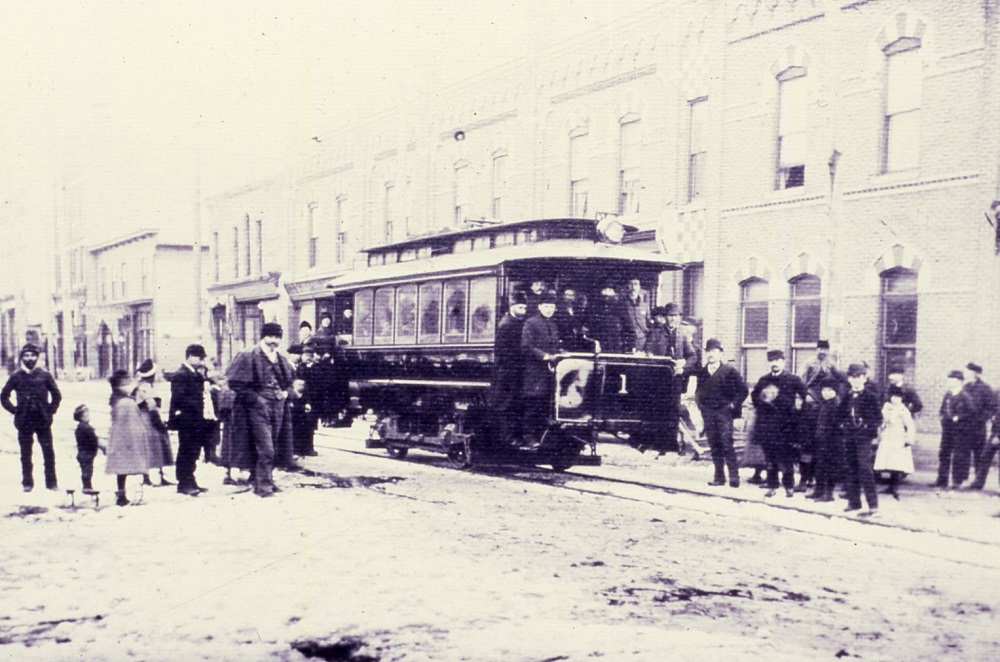
When rail ties were going to be laid, Neebing’s Road Commissioner, Mr. Tonkin, was instructed to have them removed and the street railway battle was renewed. Fort William argued that since incorporation in 1892, the town’s citizens had the right to grant or prohibit construction on their streets. Port Arthur then promised to extend the line through to Westfort at its own expense, which Westfort residents found quite attractive. Since relocation of the CPR’s principle works to the mouth of the Kaministiquia River, business in Westfort had declined drastically. Hotels were half empty or abandoned, businessmen had either moved – or were considering a move – to the vicinity of Fort William. Therefore, when an election took place to consider the street railway by-law, Westfort citizens voted overwhelmingly in favour of Port Arthur’s plan. Fort William, with no alternative, allowed Port Arthur to continue the street railway across the Neebing, through Fort William to Westfort. In January 1893, George Marks was elected mayor of Port Arthur with the support of Fort William Mayor John McKellar. In his inaugural address, he proposed that the town’s franchises (railway, lighting and waterworks) be administered by a single commission, free of ward politics. By June 1, the street railway was open to Pruden Street. On Wednesday, September 27, 1893, with Supt. George Lowe as motorman, Car no.1 left the Algoma Hotel at three minutes to ten in the morning, decorated with a couple of Canadian Red Ensign flags, and made the trip to the West Fort terminus in 33 minutes. The Port Arthur Street Railway was complete. The Electric Street Railway Committee ran the street railway until 1895.
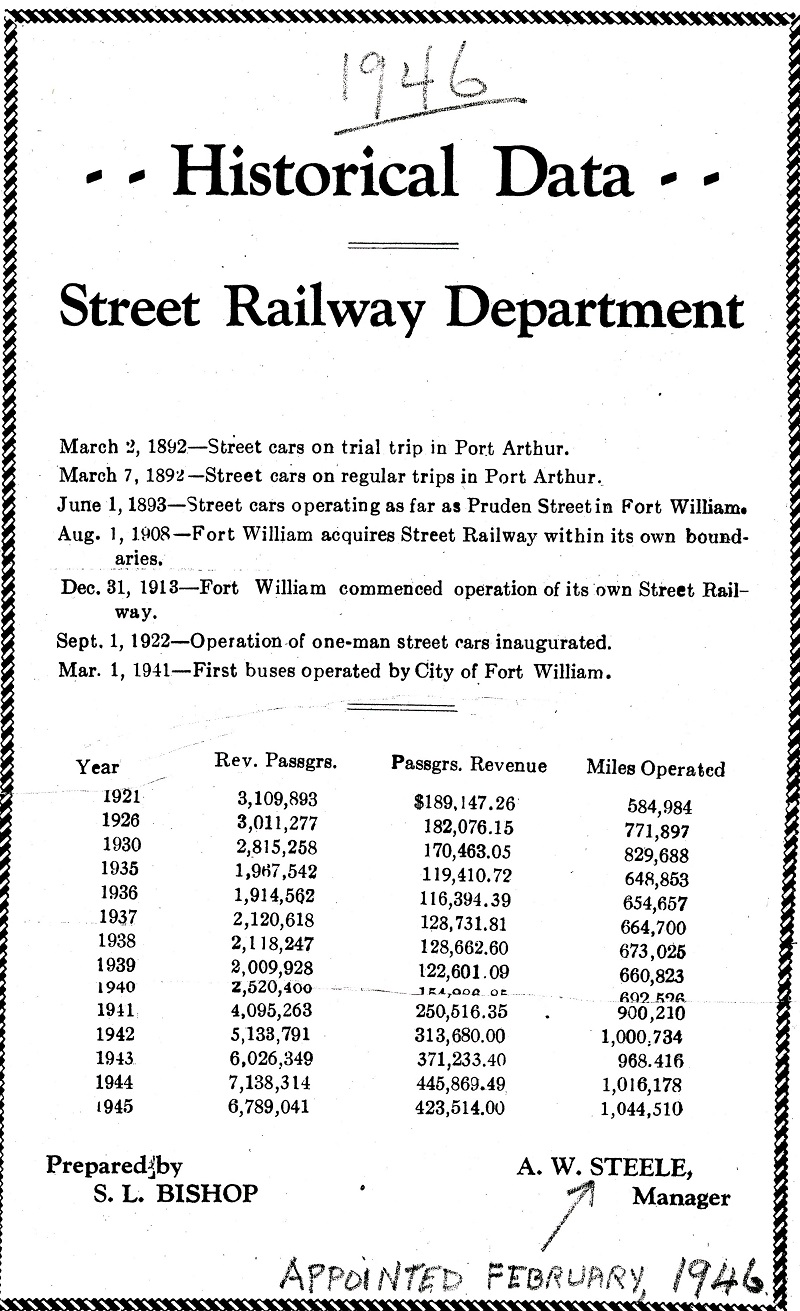
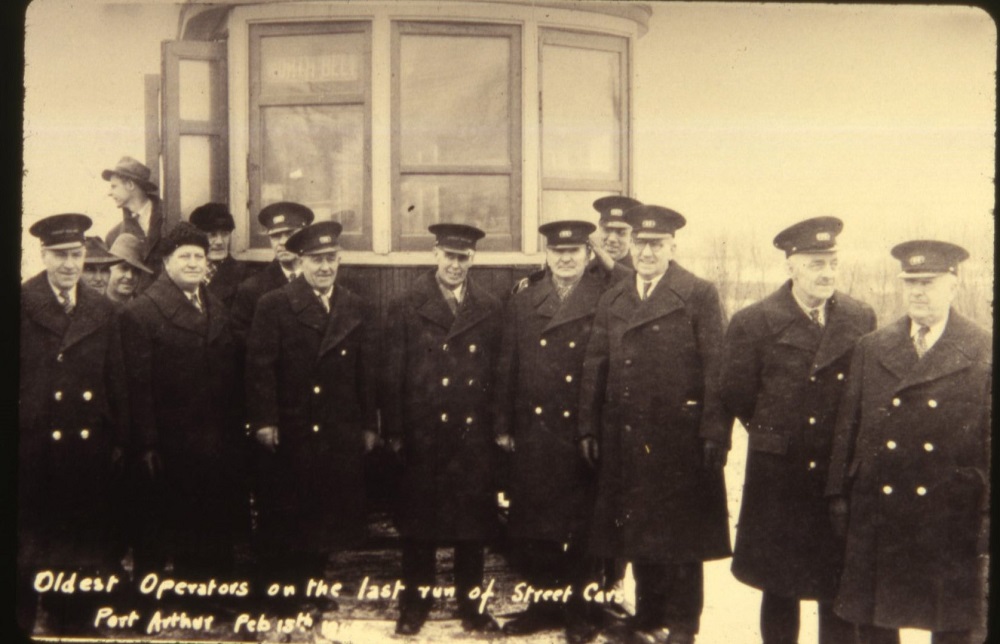
The debate between public and private ownership created a divide among Port Arthur citizens in the 1890s but, essentially, Port Arthur opted for public ownership because private enterprise did not initially find the project attractive. Fort William would purchase the portion of the rail line within its boundaries for $52,000 on August 1, 1908. Until December 1, 1913, a joint commission established by the two communities controlled the line, after which Fort William assumed management of its own electric street railway. The street railway system continued to flourish until the 1940s. A few gas Brill Buses, manufactured by Canadian Car and Foundry, were introduced in 1943. Just prior to the introduction of the new trackless electric trolley system, February 15, 1948 was the last run of the street cars and citizens were invited to ride free of charge. |
| Chronology 1891-1947 |
|
If you require these photographs in an accessible format, contact our Municipal Accessibility Specialist at 807-625-2240 or email accessibility@thunderbay.ca. |
| Powering the Civic Railway |
|
It is fitting that the first thin strand of copper that brought the magic of electricity to Fort William was essentially a by-product of the competitive spirit that has motivated so much of the progress of the Twin Cities. It is perhaps equally fitting that this most useful natural force was first harnessed for a humble and mundane service: the electric street railway. Port Arthur receives the undeniable credit of having been in the vanguard of cities to recognize the enormous potential of electricity in public transport. As a consequence, Port Arthur is counted among the first communities in Canada - and in North America for that matter - to establish an electric street railway system. A full decade before the turn of the century, the clang of the trolley bell was a familiar sound along Port Arthur’s main street. Power for the system was generated by a steam-driven dynamo in a plant located on the banks of the Current River. By the early 1890s, community leaders were closely following advances in electrical generating equipment. By the mid 1890s, the need for electric power was evident, both to supply the needs of an expanding street railway system and to meet the demands of expected industrial expansion. Soon after the founding of Port Arthur’s street railway, a series of seemingly unrelated events occurred that ultimately spurred the development of power generating facilities in Fort William as well. After the street railway was extended to Fort William in 1893, the first electric lights were operated in Fort William. In 1894, two years after the inauguration of the trolley system, the publisher of the Fort William Daily Journal, T.A. Bell, arranged with the street railway superintendent, Thomas McCauley, to run While the advent of electric street cars marked the first recorded use of electricity in Fort William, it was not in itself, however, the cornerstone of the development of electricity in the city. While Edward Spencer Jenison of Chicago attempted to develop hydroelectric power at Kakabeka, in 1901 Port Arthur decided to develop hydroelectric power on its own on the Current River. The company that formed to develop and sell Kakabeka power was called the Kaministiquia Power Company. In 1904 Port Arthur applied for an Act to incorporate Current River Power Company for the purpose of supplying the Towns of Port Arthur and Fort William and the Municipality of Shuniah, and other municipalities, corporations and individuals with electrical power. After completion, the town of Port Arthur used 700hp: 400hp for lighting and the rest for the street railway. By 1907, Kaministiquia Power Company was completed. By 1908, at the Current River power As a result of early electric power and hydroelectricity being controlled by private companies, utilities departments were often forced to enter into long contracts to ensure a guarantee of service for their citizens. In 1913, Fort William was not in a position to power its street railway within their boundaries. In order to do so, they required 600 more horse power than they were receiving from the Current River powerhouse in Port Arthur. The City, however, was unable to provide the power as they were at risk of reaching their peak with the Hydro Electric Commission. Fort William authorities immediately got busy with the Kam Power Co. to arrange a temporary supply of power to the system, which Fort William agreed to foot the bill for. As Fort William and Port Arthur expanded rapidly, the ever growing In 1900, the only electricity being produced in the area was by the cities of Fort William and Port Arthur and they used it to power businesses and homes but also their civic railway. Electricity remained in the public transportation system of the cities until amalgamation in 1970. By 1971, however, the last electrically powered public transit vehicle was taken off the road in favour of the flexibility of gas and diesel engines.
|
| The Civic Railway and the Canadian Labour Movement |
|
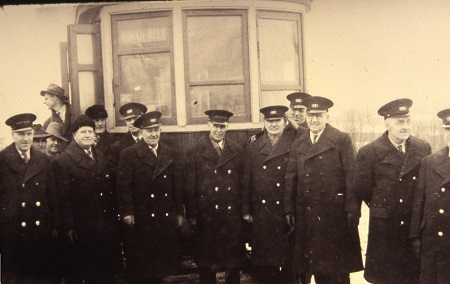
In the Thunder Bay region, unrest among workers was growing after 1900. By the turn of the 20th century, CPR posters proclaimed the “Golden” Northwest “A Home for All People.” So the people came – from war-ravaged, poverty stricken Greece and southern Italy, from feudal oppression in the Ukraine, from racial or religious persecution in Russia, volcanic upheavals in Iceland, and the hopeless squalor of Asia, from the ghettos of Austria and Germany, the slums of London and Edinburgh, from Croatia and Scandinavia, Finland and the East Indies they came, in search of a new life in a new world. With minor variations the immigrants had a single objective: to find work which would provide their families with decent food, shelter and a small measure of hope. Railroads, contractors, lumber and mining companies supplied work – the most menial, back-breaking lowest paid jobs The Greek and Italian immigrant workers spearheaded the first organized labour movement in 1906, and had major influence in the labour disputes in the years that followed. The Finns have been justifiably praised for their contributions to the labour movement in Thunder Bay, while minority groups from all immigrant communities participated in, or were affected by, the labour disputes that took place in the Thunder Bay region prior to 1913. Labour strikes at the Lakehead began in August 1906 and continued with various instances of workers banding together to fight for wage increases, job security and non-discriminatory hiring practices. For the conductors and motormen of the civic railway in Port Arthur and Fort William, their strike in 1913 marks the last major outburst of labour violence in Thunder Bay prior to the First World War. On Saturday, May 10, 1913, in Fort William, eighty-five conductors and motormen, comprising nearly the entire staff manning the Port Arthur and Fort William streetcars launched a strike. Everything went smoothly in the beginning, but the public did not sympathize with the strikers the way they did with freight and coal workers in the years prior. The strikers’ union, The Amalgamated Association of Street and Electric Railway Employees of America (Division 521), issued an ultimatum containing a long list of demands: reinstatement of two employees dismissed in 1912, a nine-and-a-half hour working day, no “special runs”, all front vestibules to be curtained off and darkened at night, new rules to govern the disciplining of employees, the installation of heaters in vestibules before November 1st, references to be provided for any employee who voluntarily departs after six months of service etc. Street Railway officials, however, treated the strike lightly and announced to the public that men would replace the motormen and conductors within a week and the line would soon be back in full service.
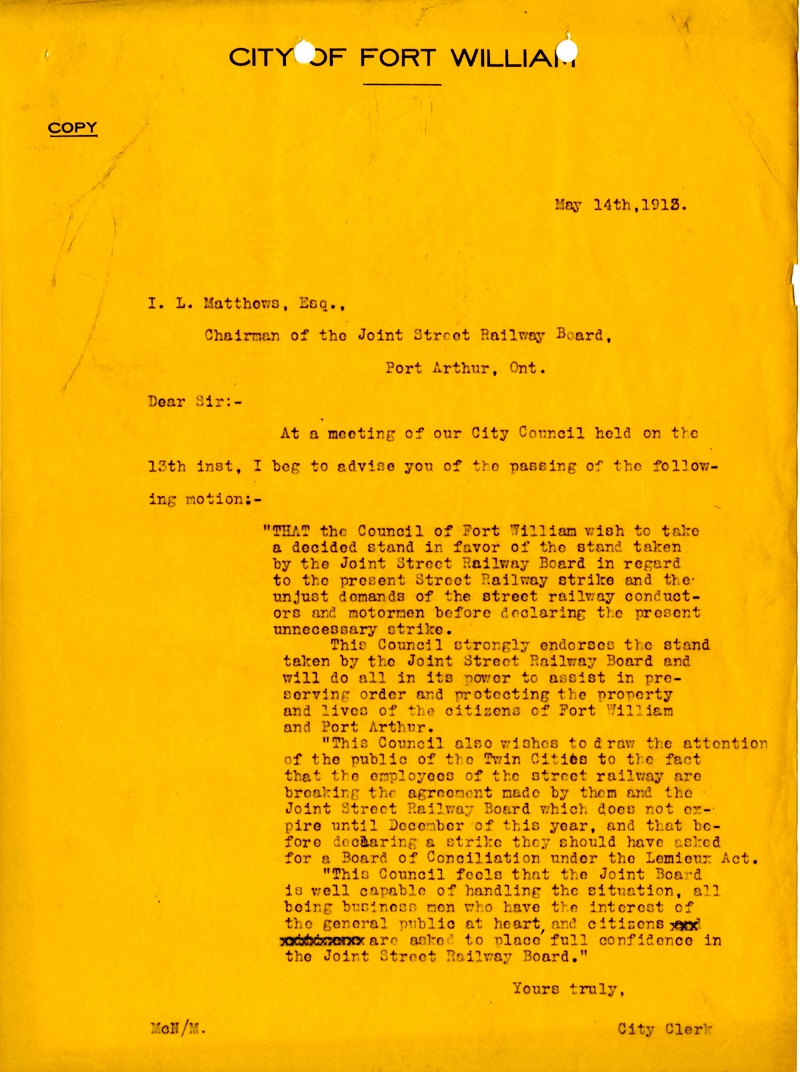
Sergeant George Taylor, with two constables, responded to calls for assistance. At McTavish and Simpson, Taylor arrested one man, Peter Renta, for allegedly participating in a riot, and as Renta was hauled off to the McTavish Street police station, hundreds of people followed. Twenty minutes after Renta was incarcerated, “little knots of men who had been engaged in earnest discussion, suddenly massed…” The infuriated crowd called for Peter Renta’s release before hurling railway ties, rocks and even tree trunks, at the police and the station. Chief Dodds arrived with inspector Charles Watkins and they drew their revolvers; the crowd dispersed for a moment, but returned and the police opened fire. An innocent observer and Italian immigrant, Joseph Stefarico, was killed by a police bullet that hit his head, while another man named John Wulk was seriously wounded. The police called the fire chief but he went to the wrong address before a second call pinpointed the location of the riot. A fire truck was used to clear a path through the crowd of three thousand. The police and their prisoner Peter Renta piled into the vehicle and were on route to the central Police Station before the rioters could react. Peter Renta was charged with having taken part in a riot. On May 13, Port Arthur City Council formally issued a statement in support of the Joint Street Railway Board, calling the employee’s demands unfair and illogical. Council declared that the railway belongs to the citizens and should be controlled by them not the employees.
Labour disputes continued in the region among immigrant communities before and after the First and Second World War. The efforts of those at the beginning of the twentieth century, however, including the civic railway workers, are particularly important. Every ethnic minority was represented in the struggle for freedom from oppressive working conditions, for equality, for a measure of dignity. Greeks and Italians were in the forefront of those early battles. They defied the Anglo-Saxon Establishment, joined unions, served as union officers and as labour spokesmen, and defended with their lives the basic principles upon which the twentieth century labour movement was founded. Scores of Greeks, Italians, Finns and Ukrainians would leave Port Arthur and Fort William to settle elsewhere. The majority stayed, however, and fought for their rights. They were pioneers who harvested forests, carved roads, fed with coal and cargo the insatiable ships, raised buildings, laid track, opened restaurants and made the land come alive with the skills, culture and traditions of a host of nations. As much as the Marks and McKellars helped build Thunder Bay with ventures like the civic railway, immigrant workers as conductors and motormen, by the sweat of their brow, sometimes the shedding of their blood, fought and earned a place upon the north shore of Lake Superior for themselves, their children and for the waves of future immigrants. For more information on the Amalgamated Association of Street and Electric Railway Employees of America please visit the Amalgamated Transit Union's website to view the A 100 Year History of the Amalgamated Transit Union.
1913 Street Railway Strike Documents
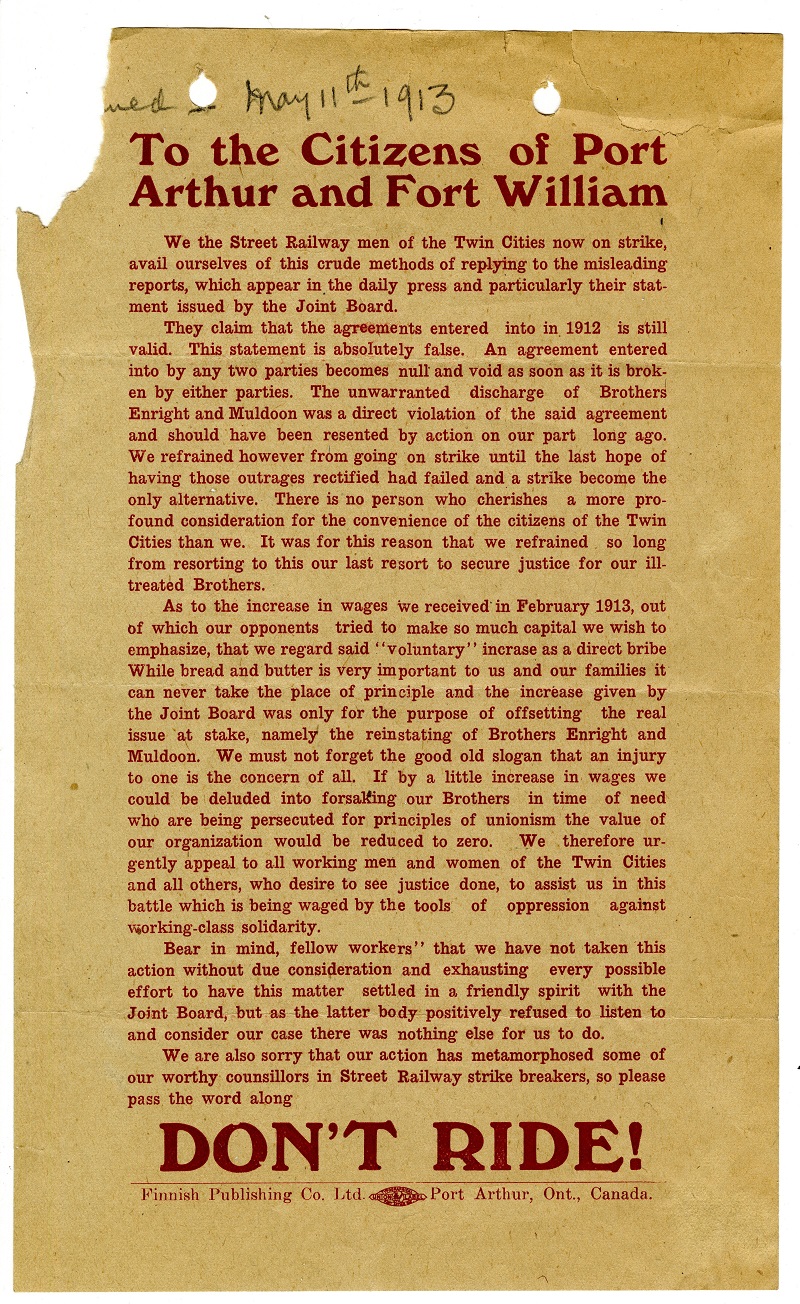
Newspaper clipping from the Finnish newspaper Tyokansa (The Worker) advising citizens not to ride the street railway during the strike. TBA 0120-26 Public Utilities - Street Rly. Strike Series: 4 Acc: 1990-17
City of Fort William Council document detailing Council's decision to stand by the Joint Street Railway Board in regard to street railway strike. TBA 0120-26 Public Utilities - Street Rly. Strike Series: 4 Acc: 1990-17 |
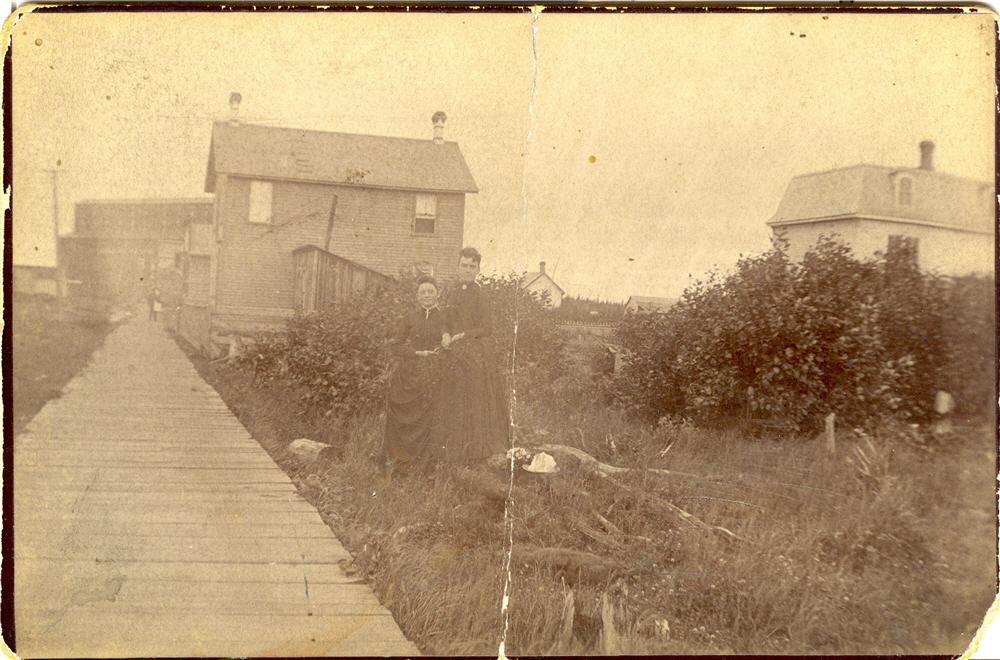
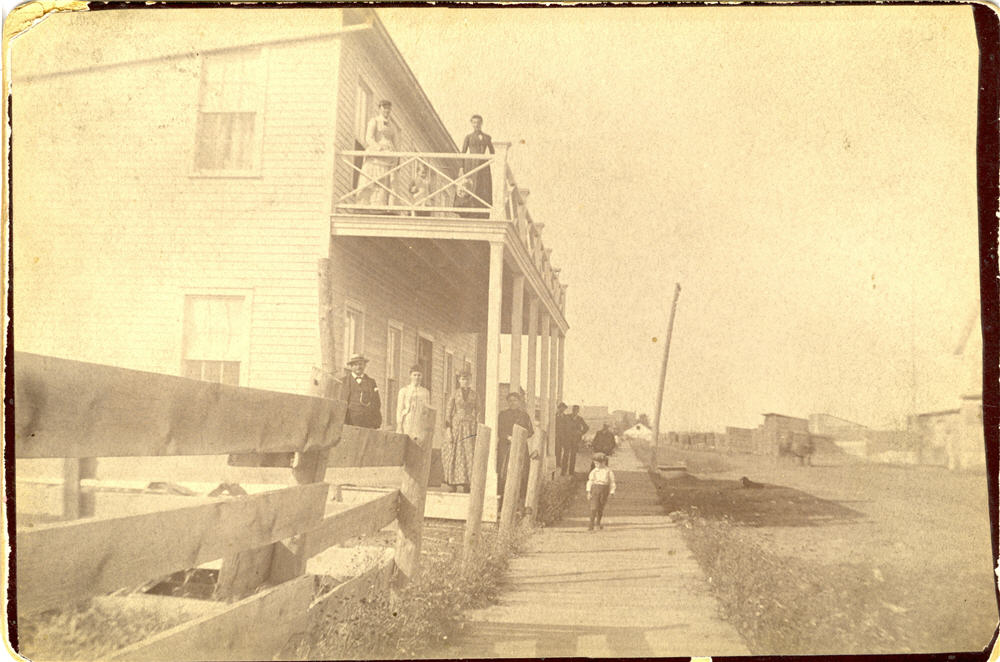
| Photographs 1840s-1940s |
|
Title: McKay's Harbour (now known as Rossport), L.S. [Lake Superior]
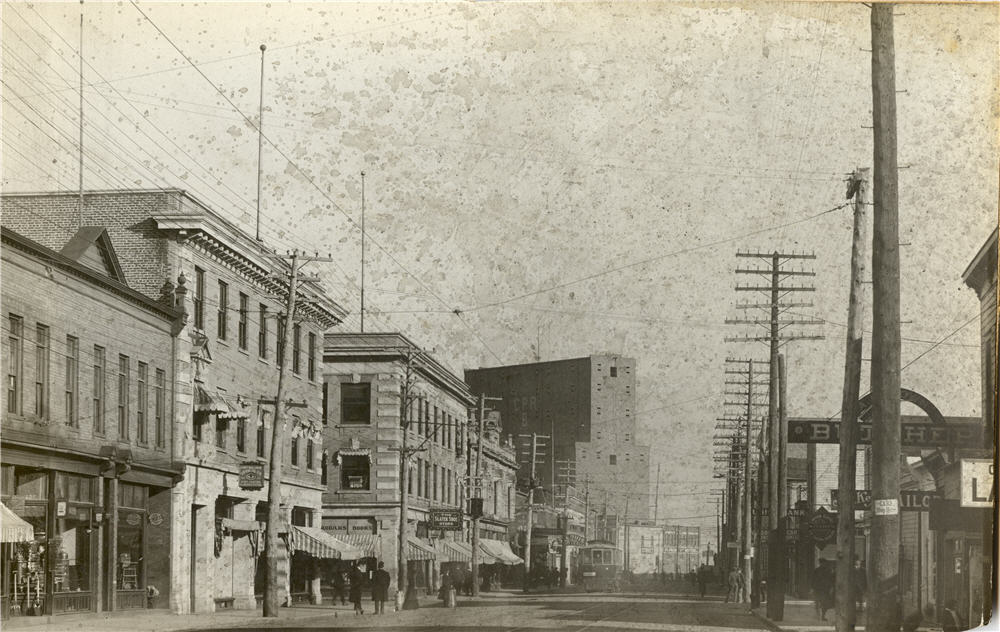
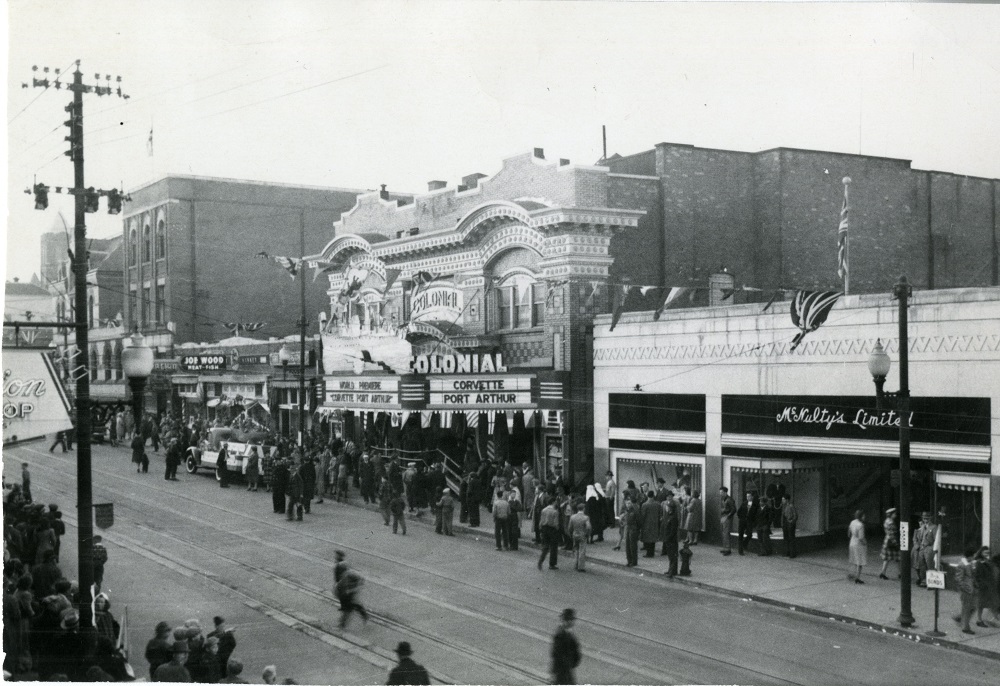
Title: Downtown Fort William
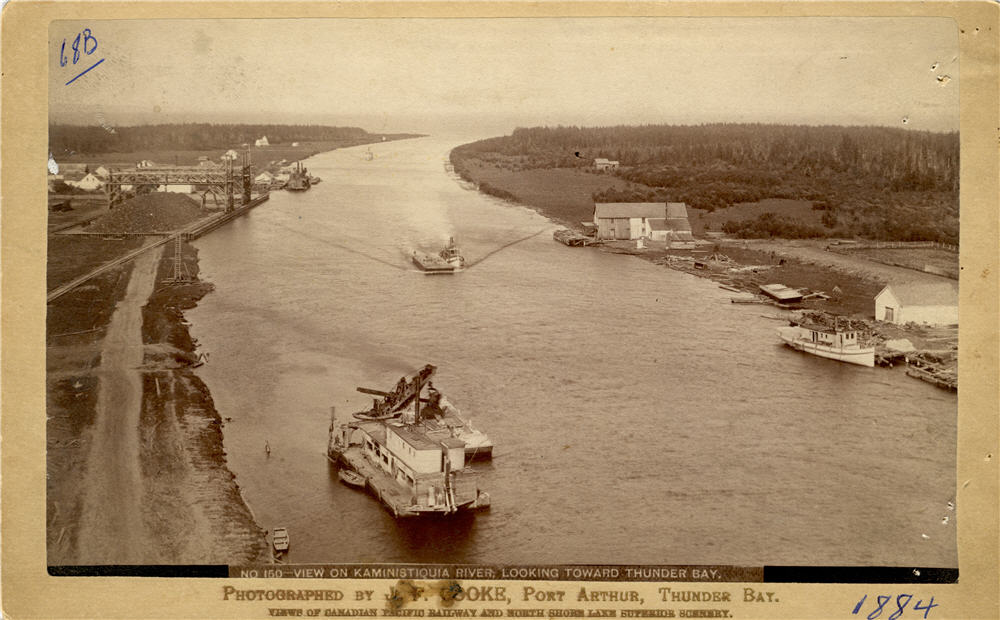
Title: View on Kaministiquia River Looking Toward Thunder Bay
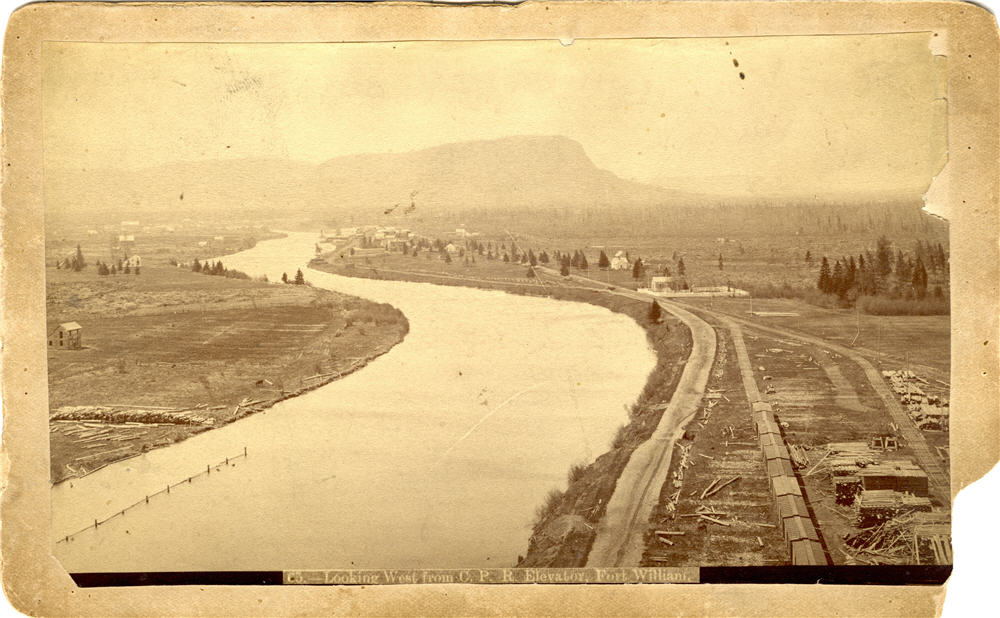
Title: Looking West from CPR Elevator, Fort William
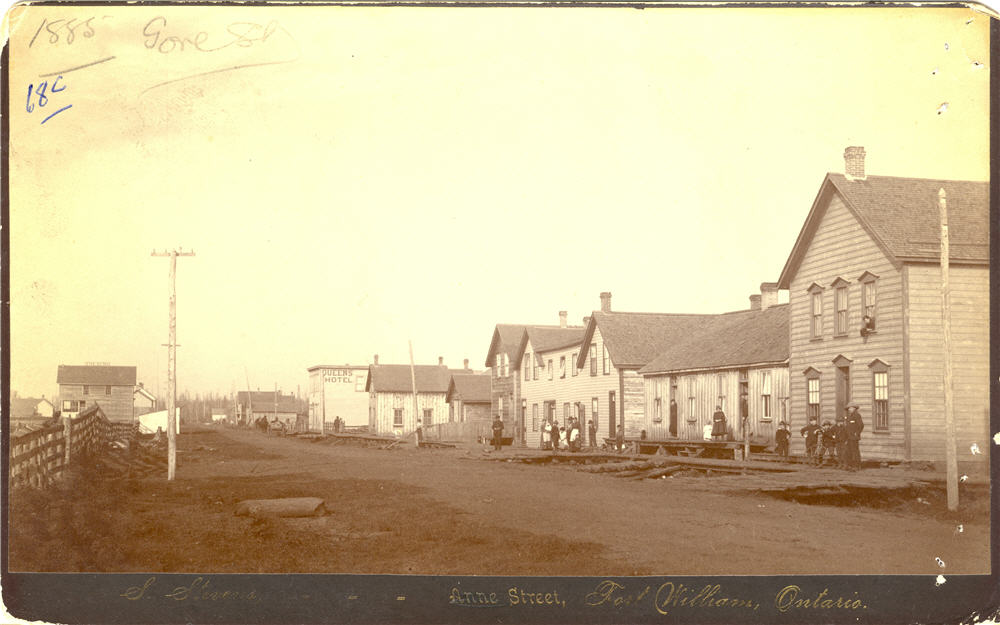
Title: Gore Street
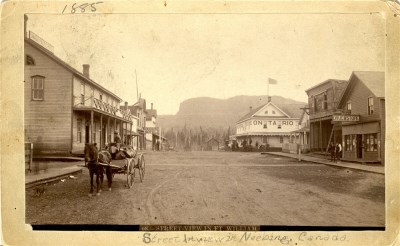
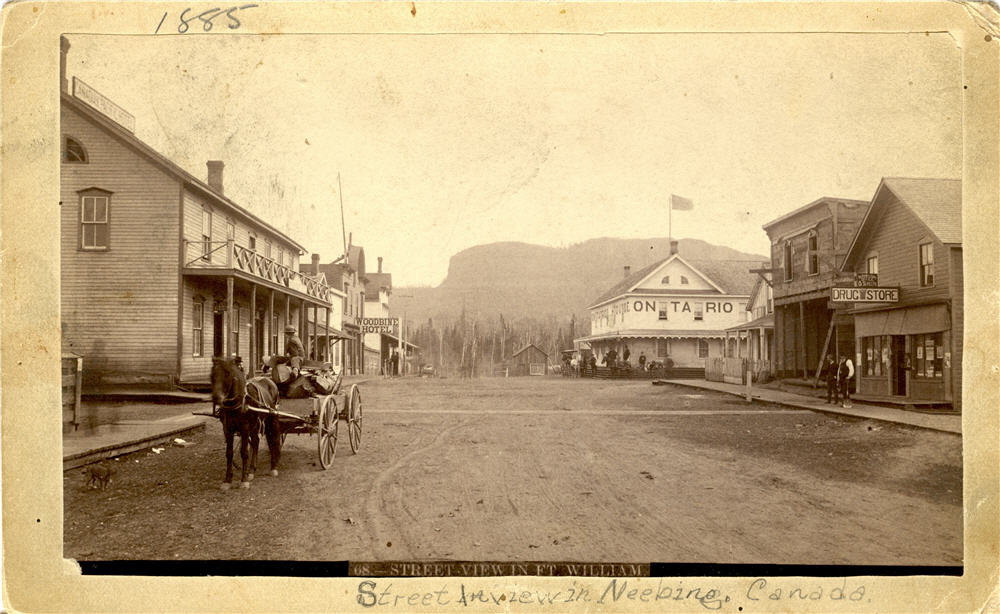
Title: Street View in Ft. William "Neebing, Canada"
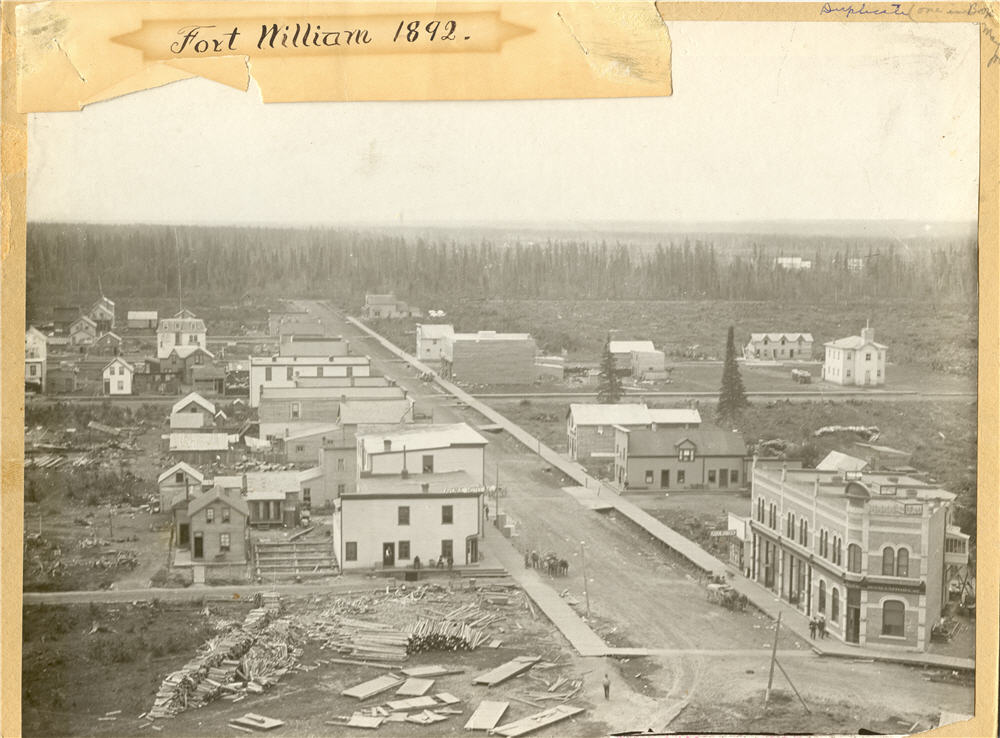
Title: Fort William
Title: Street Scene
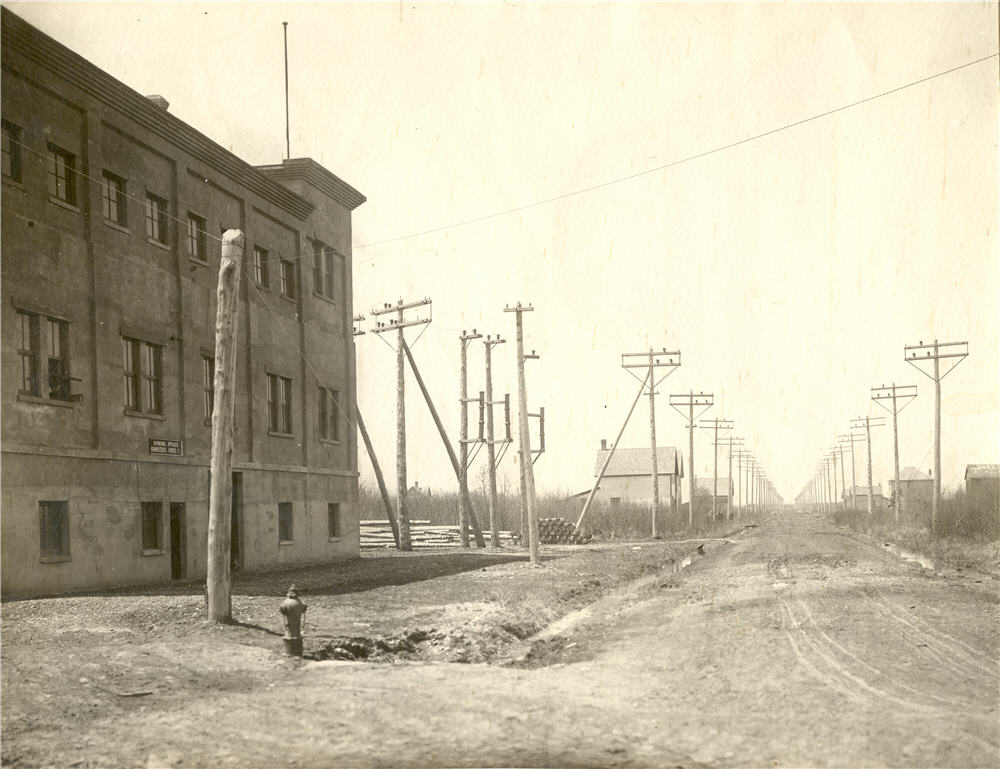
Title: General Offices - Kaministiquia Power Co.
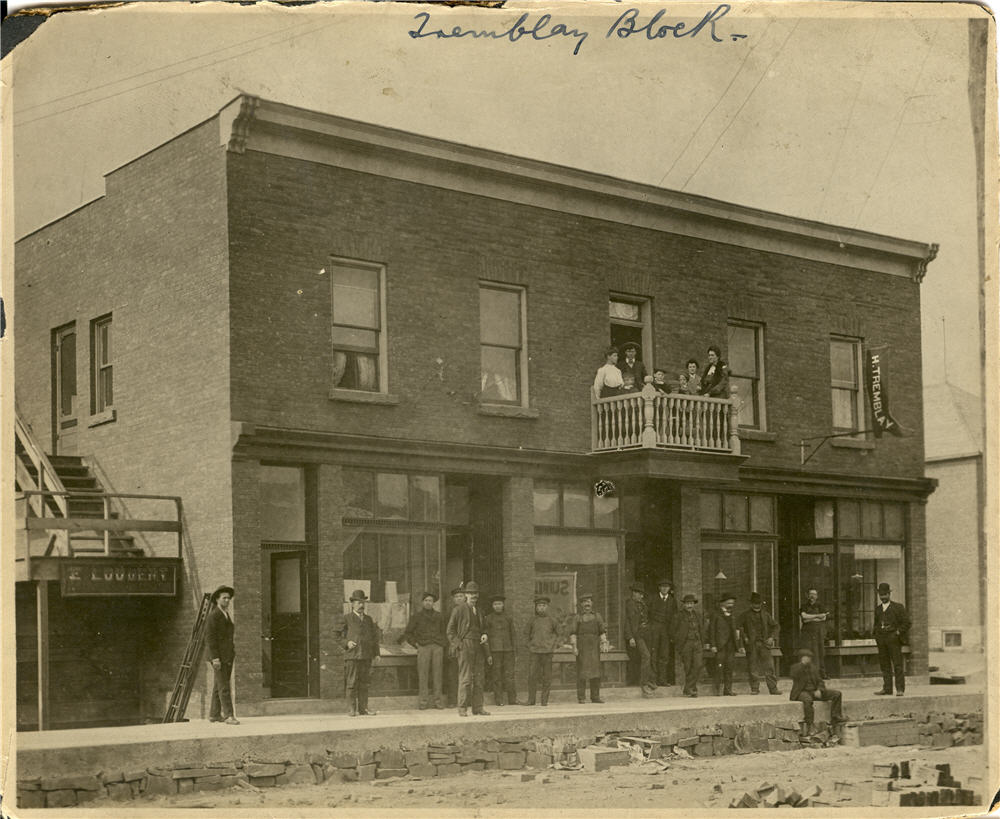
Title: Tremblay Block [Fort William]
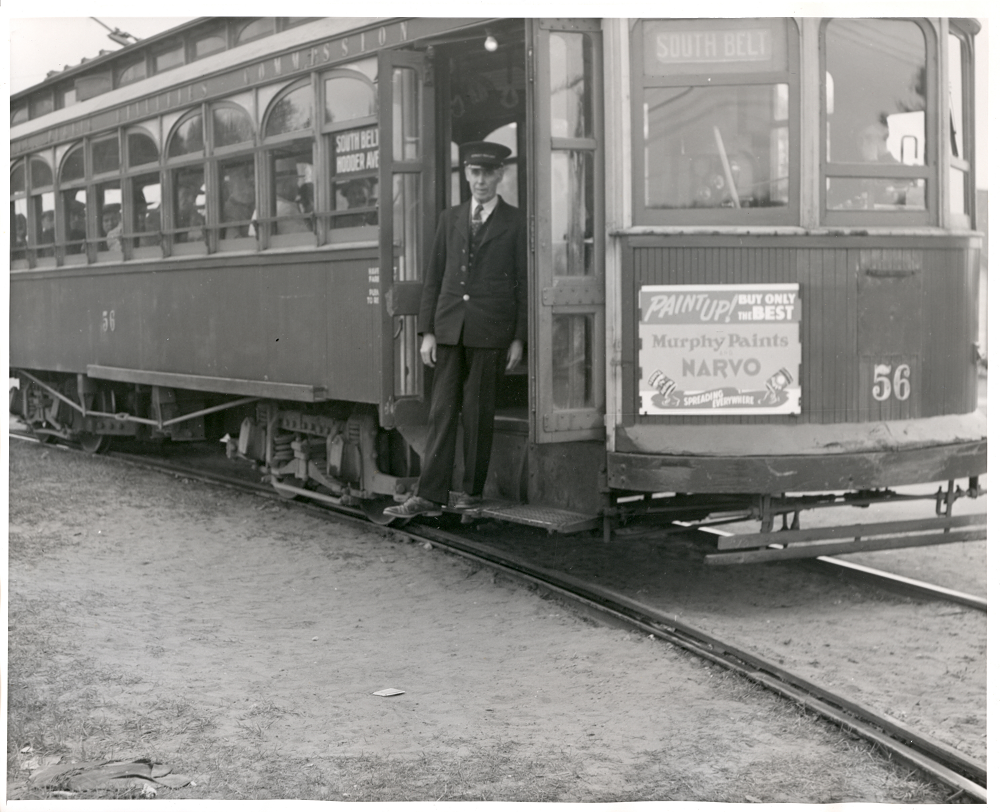
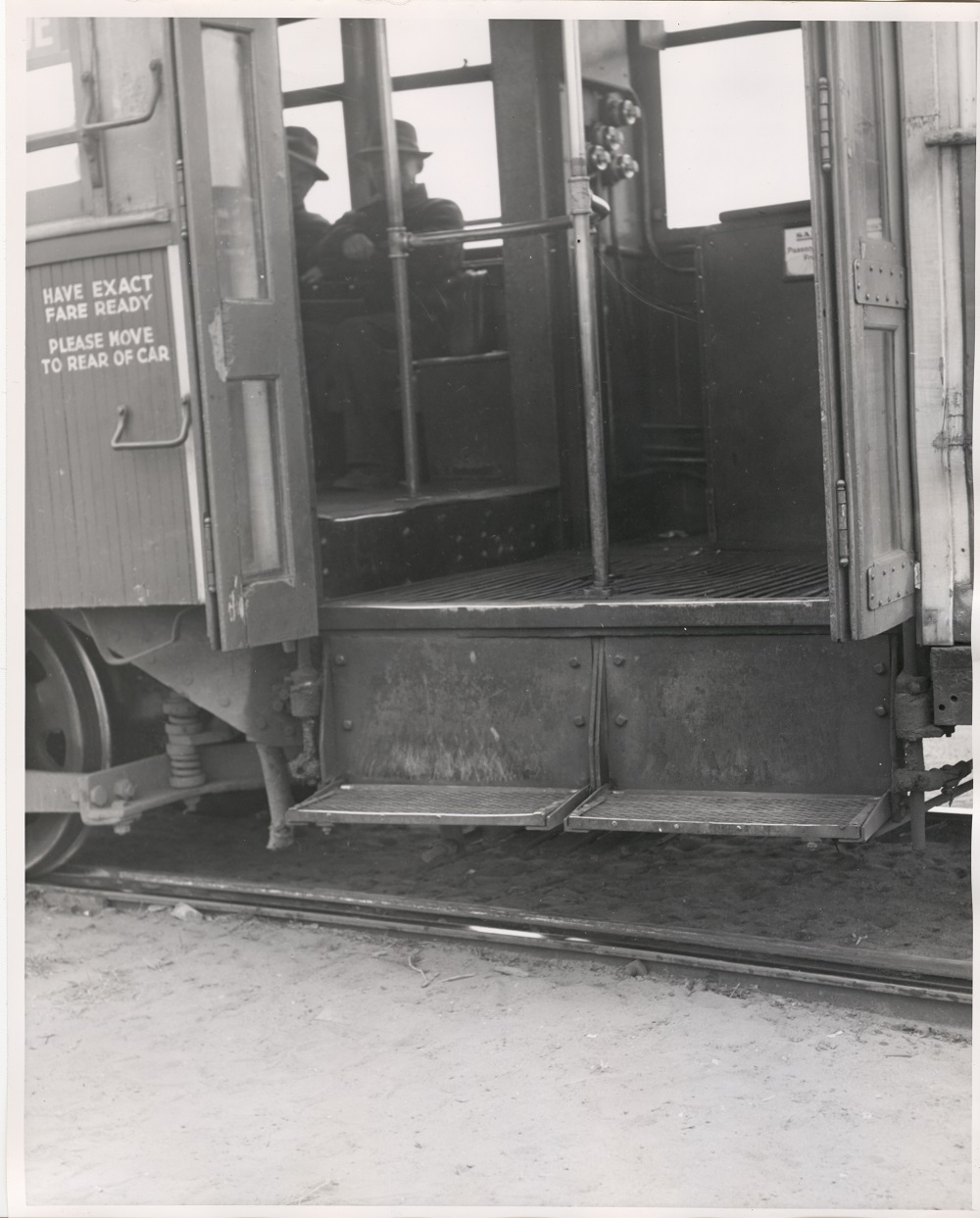
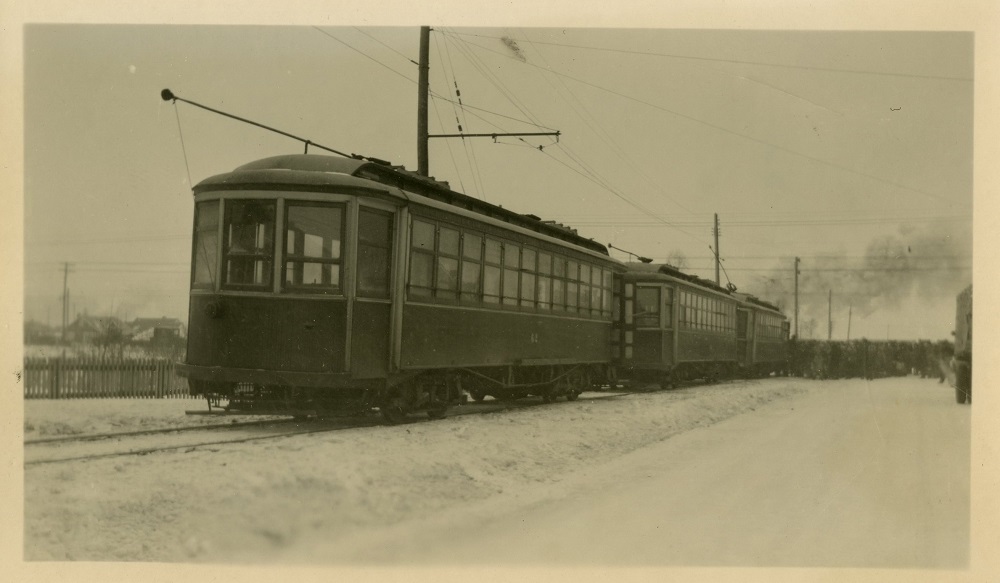
Title: [Street Railway] Date: (ca. 1890s-1940s)
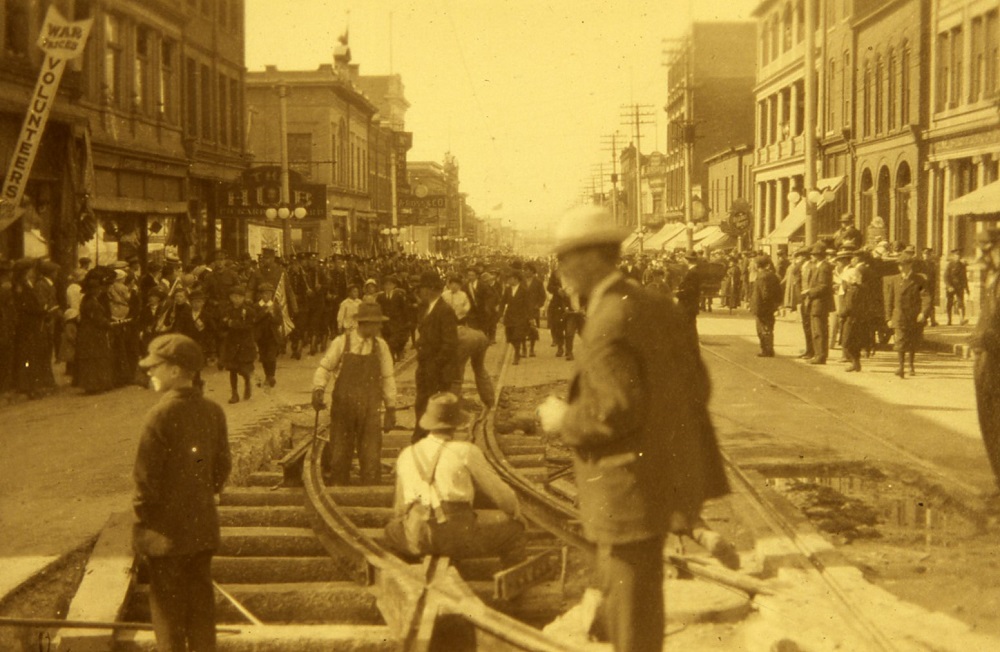
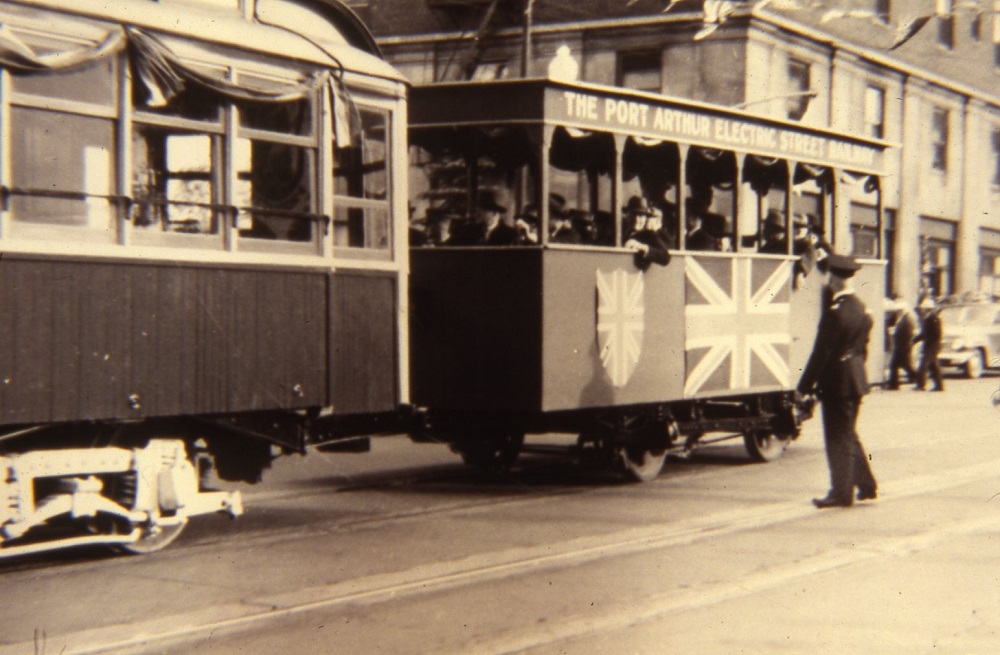
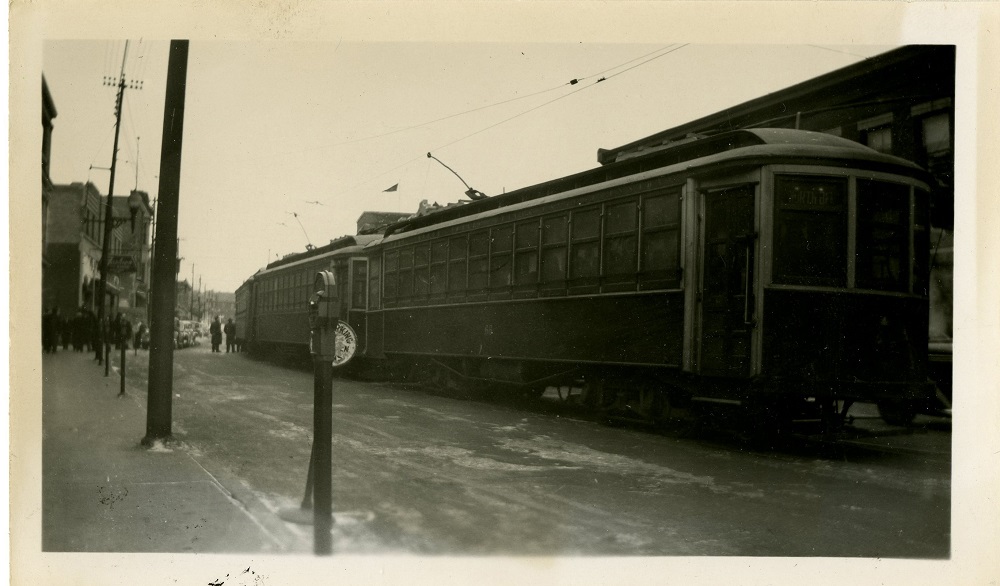
Title: Street Railway
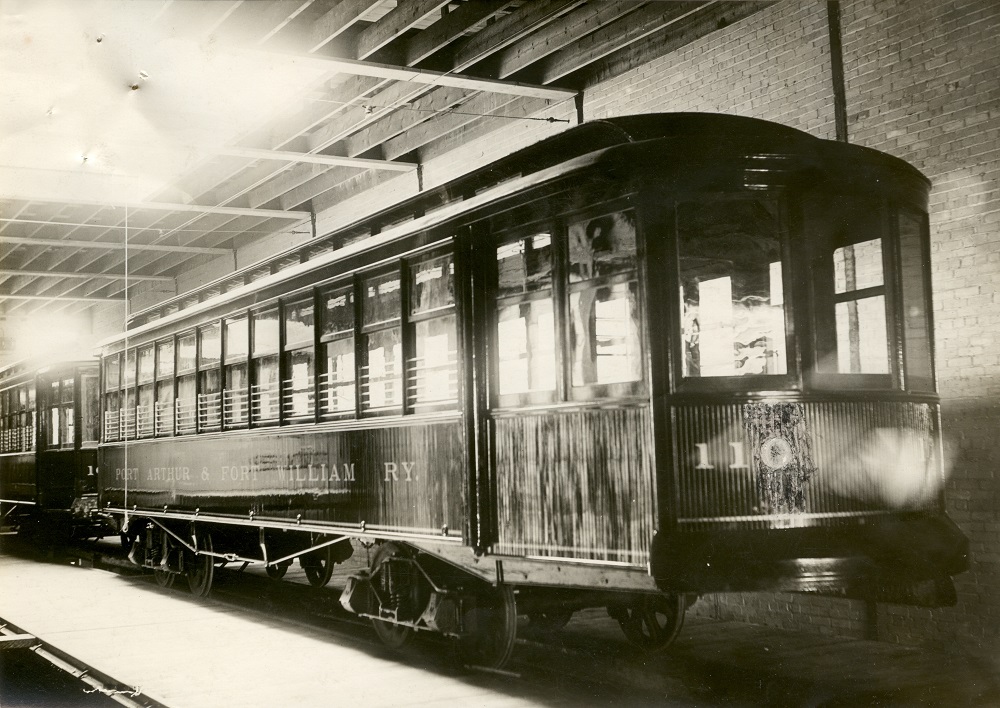
Title: Electric Street Railway Car
Title: Electric Railway Car
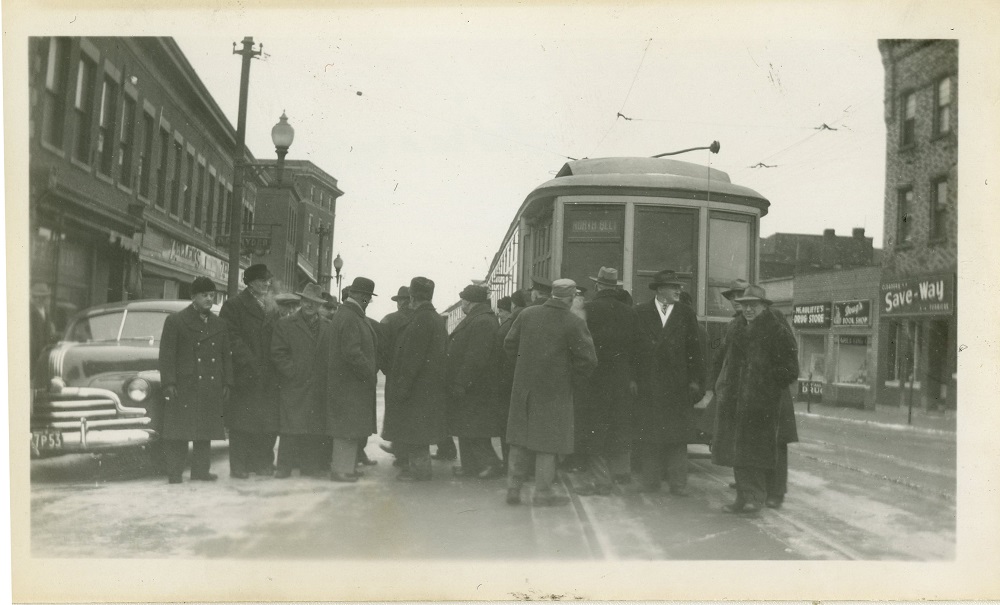
Title: [Transit Operations - Streetcar Accident]
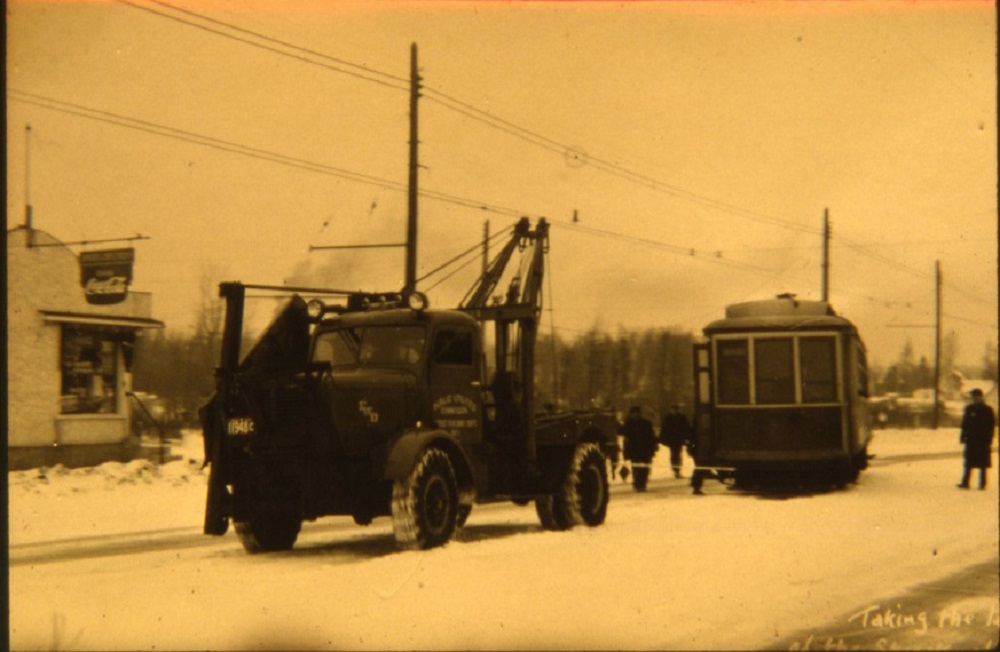
Title: Tow Truck pulling streetcar
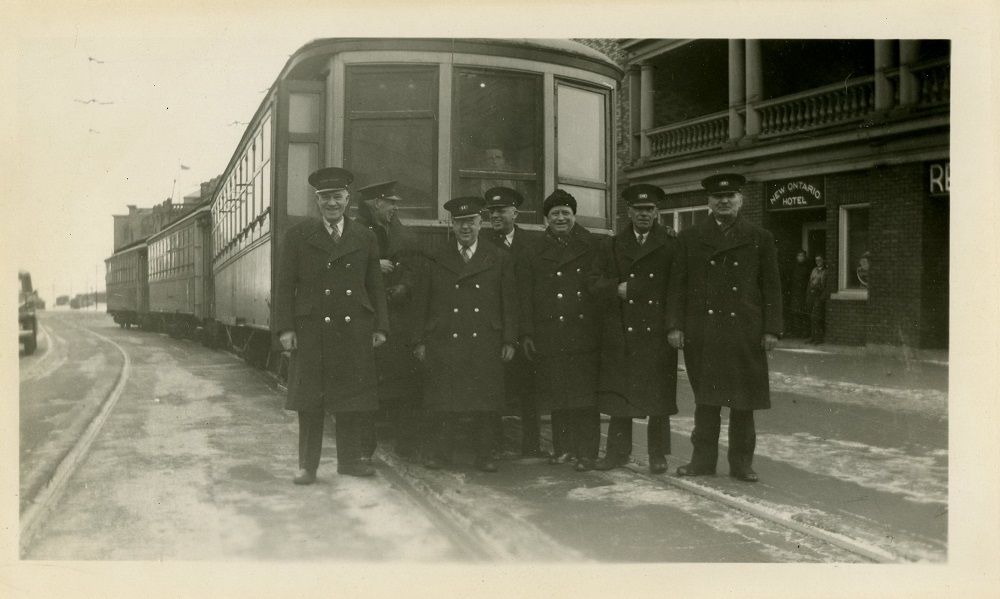
Title: Operators Last Run
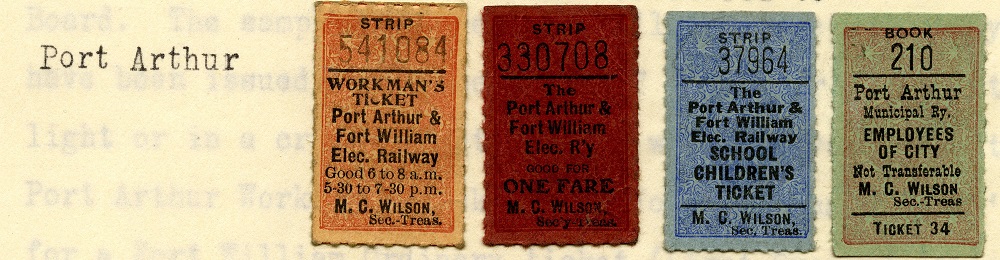
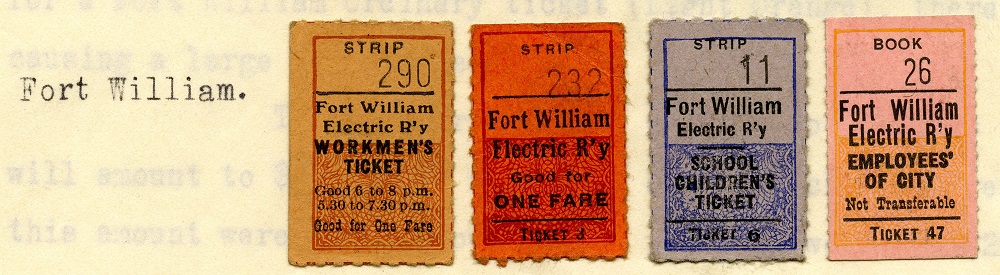
Title: Fort William And Port Arthur Street Railway Tickets
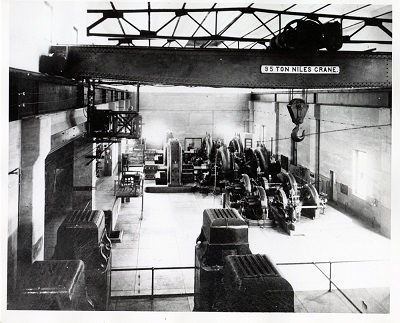
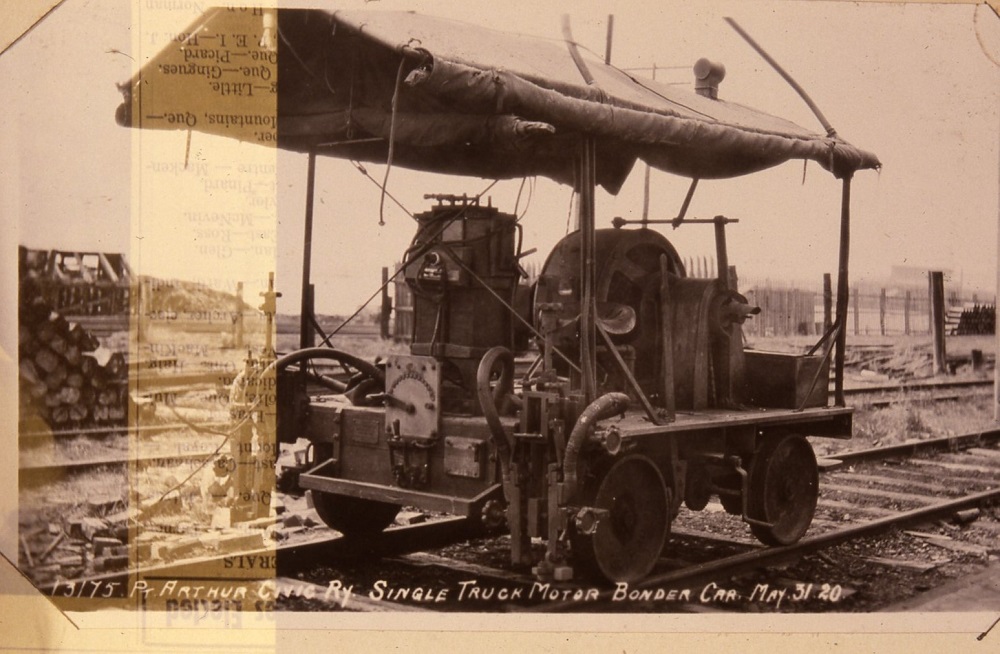
Title: Railway Machinery
Title: Street Scene - Red River Road (formerly Arthur Street)
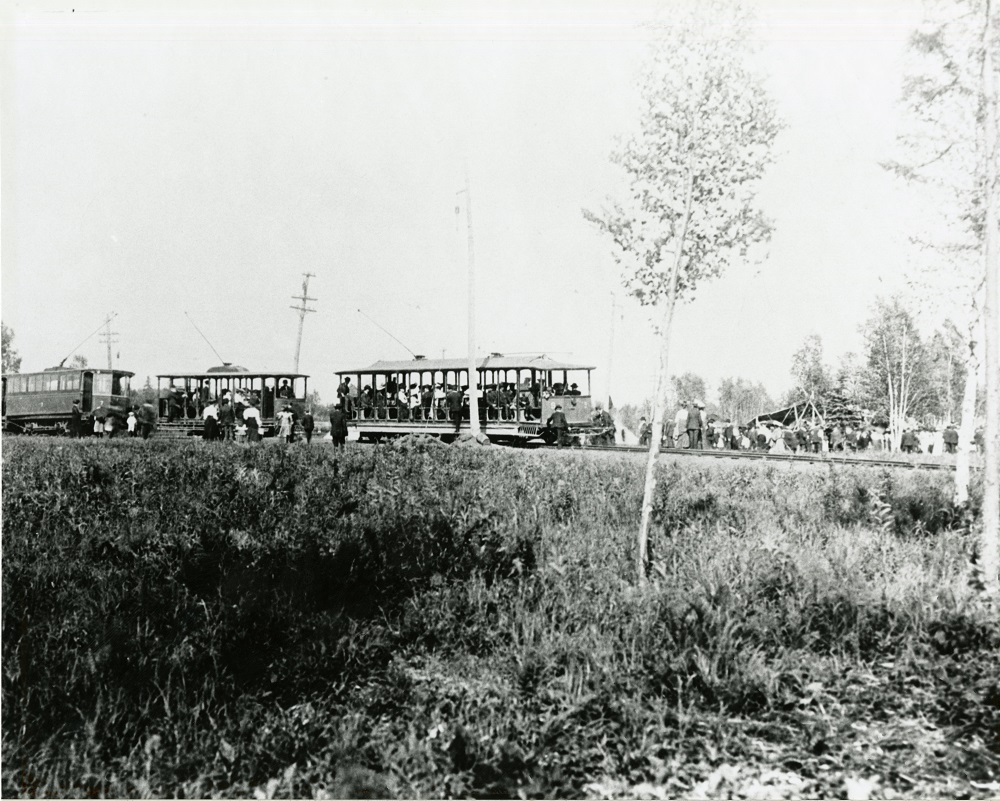
Title: Street Railway Inaugural Run
Title: Street Car No.1
Title: Military Parade
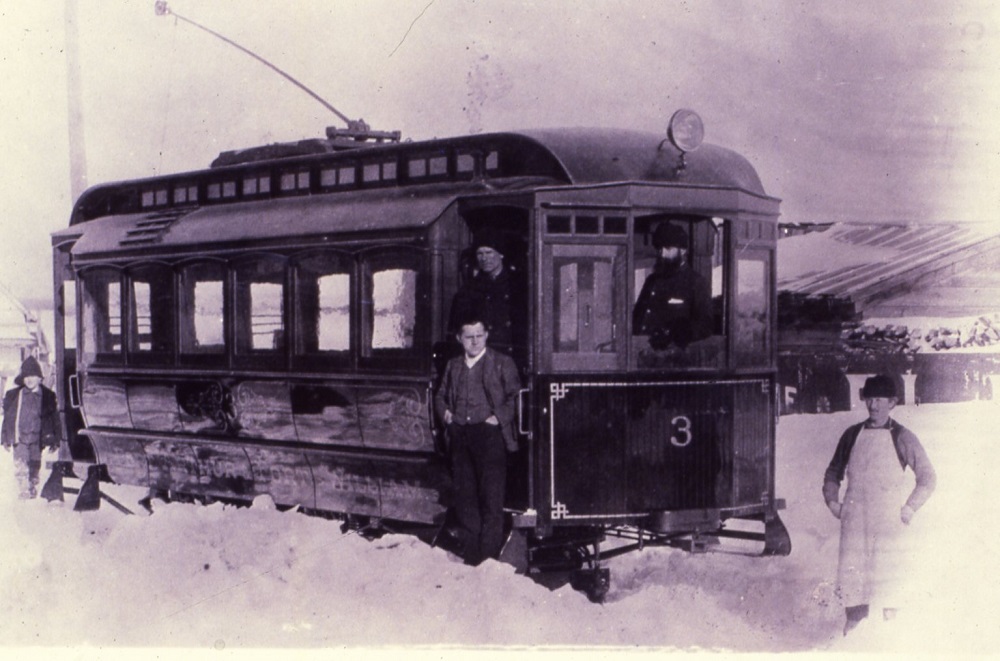
Title: Streetcar No. 3
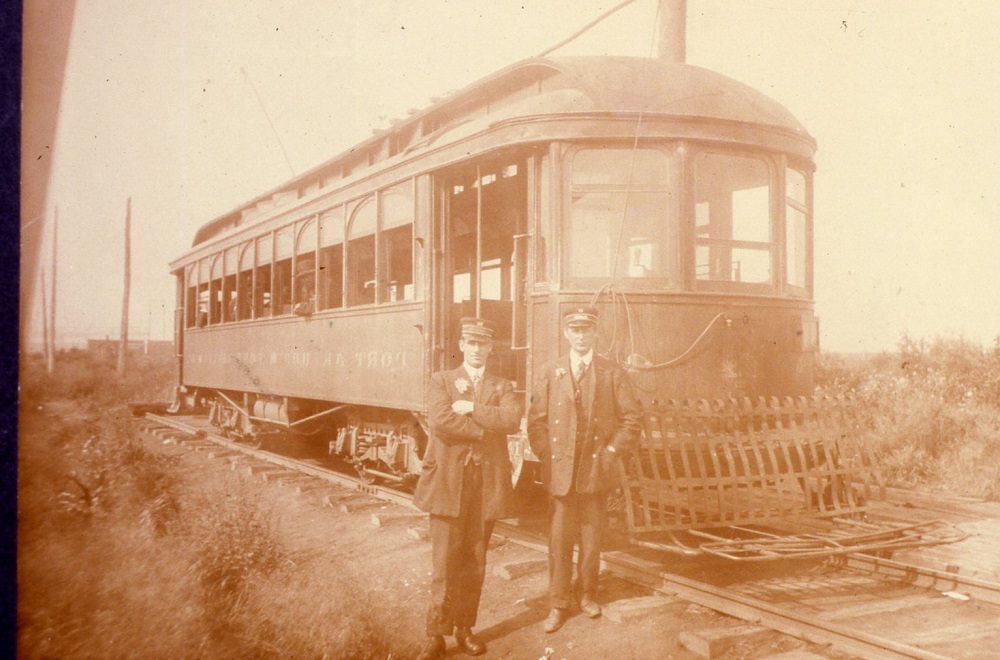
Title: Streetcar with operator and motorman
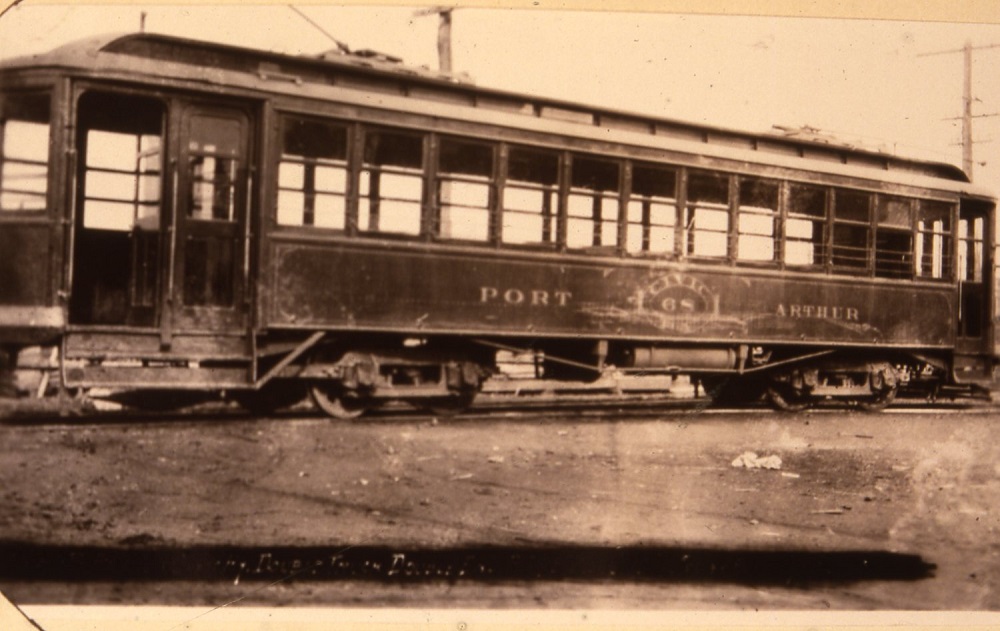
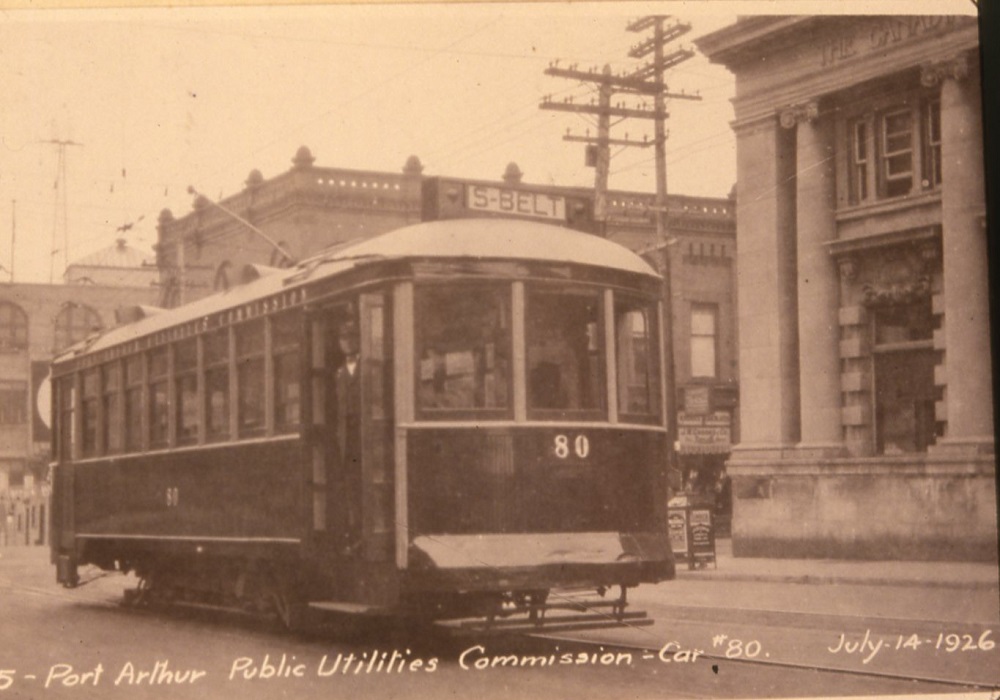
Title: Port Arthur Streetcar
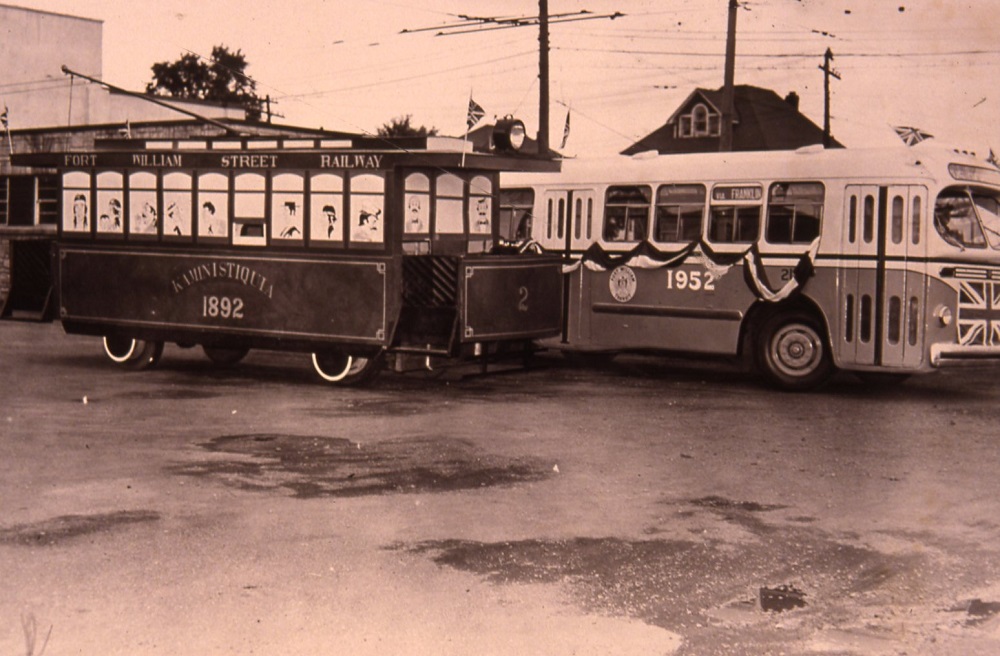
Title: Streetcar and Bus celebration
Title: Street Car ride
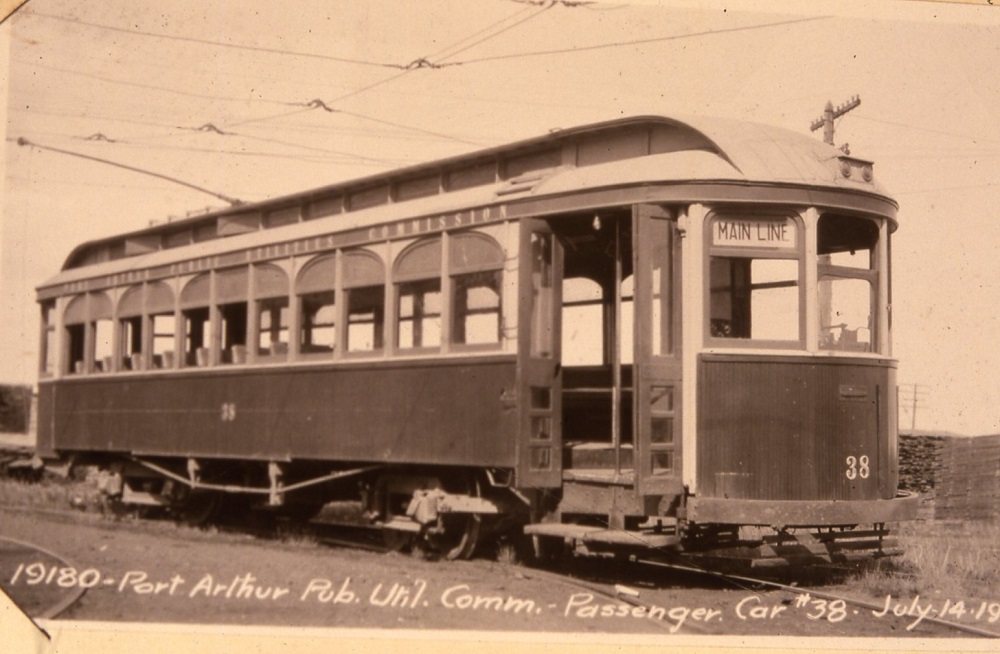
Title: Passenger Car #38
Title: Port Arthur Streetcar
Title: Port Arthur Streetcar
Title: Port Arthur Streetcar
Title: Port Arthur Streetcar
Title: Streetcar
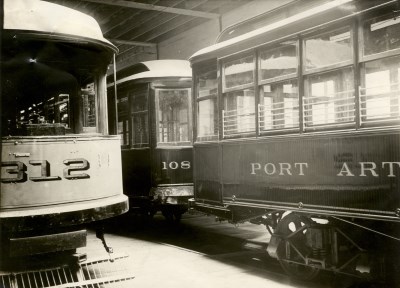
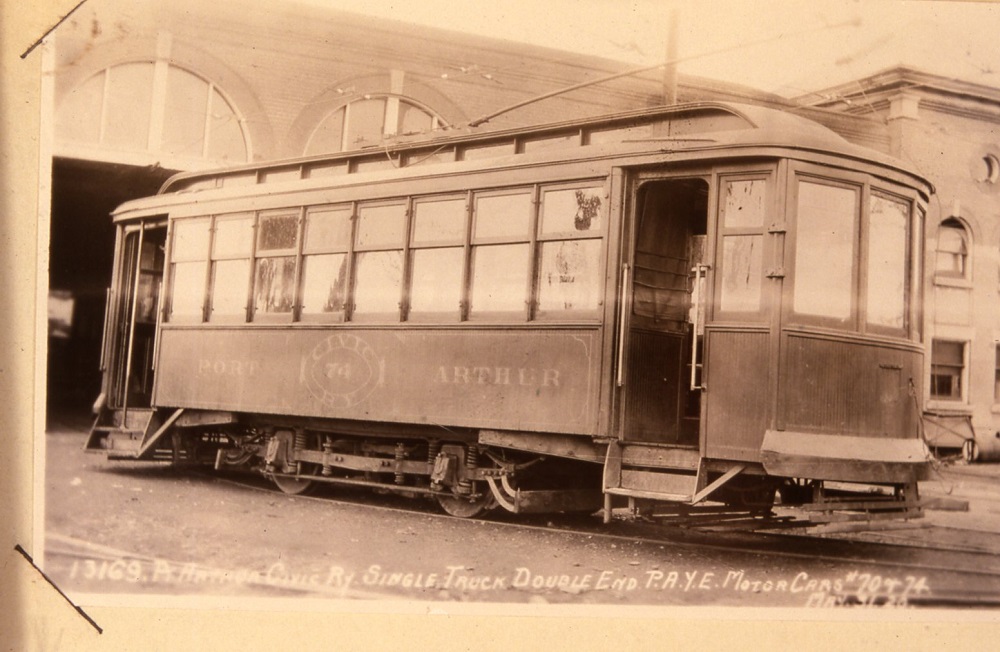
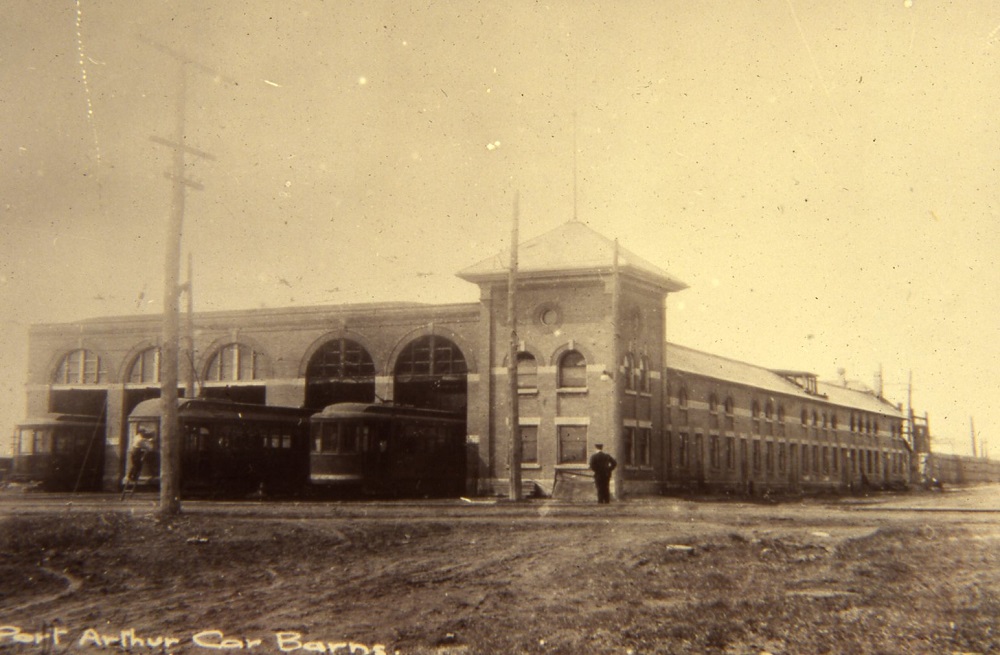
Title: Port Arthur Car Barns
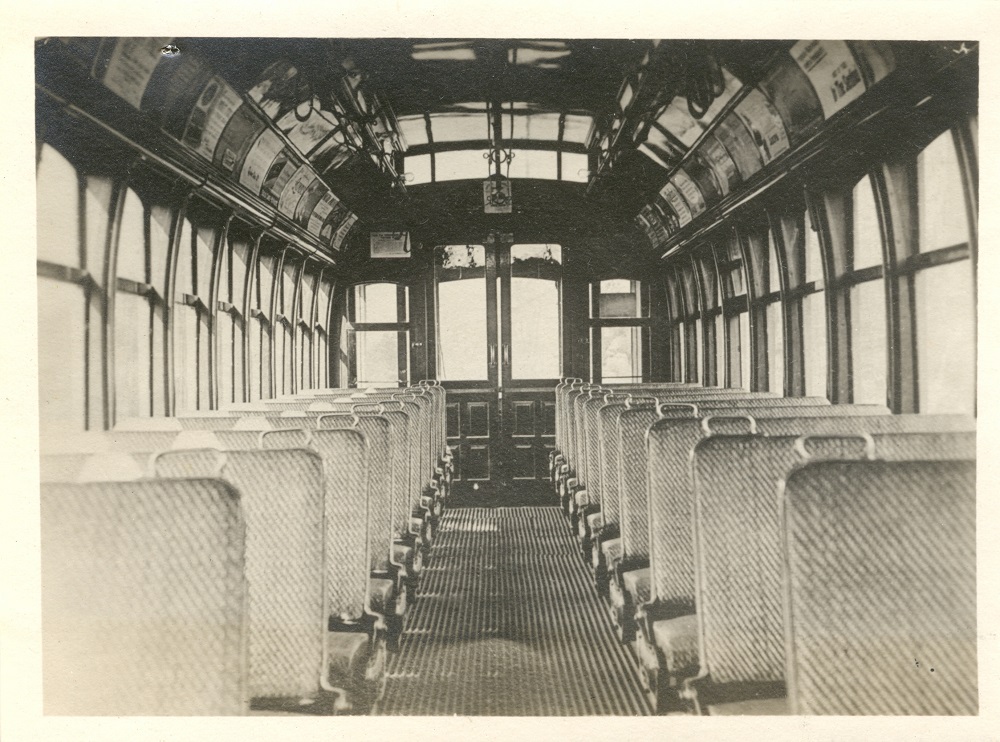
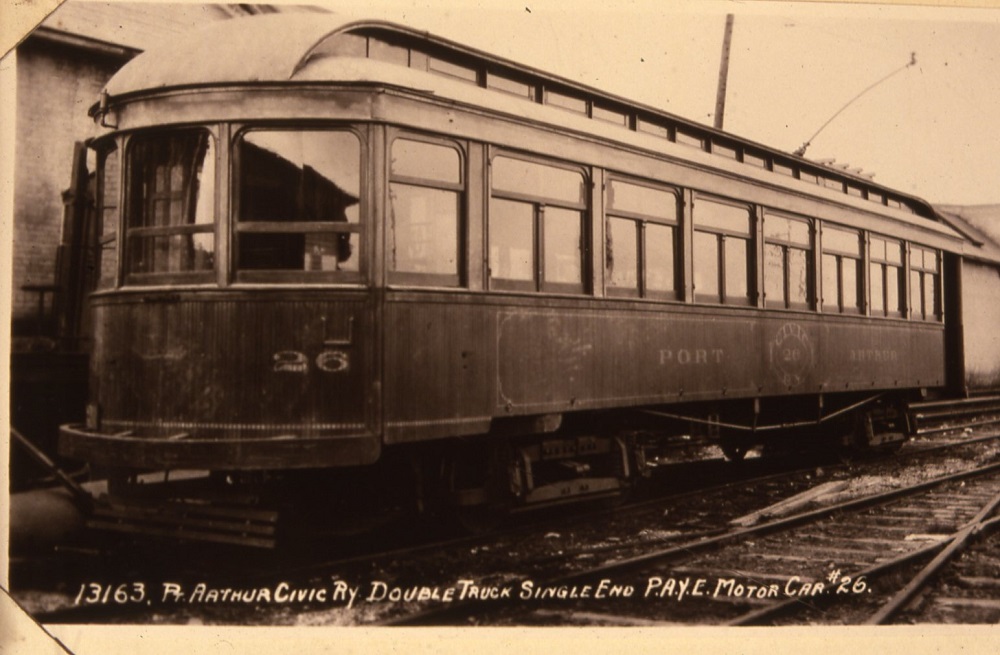
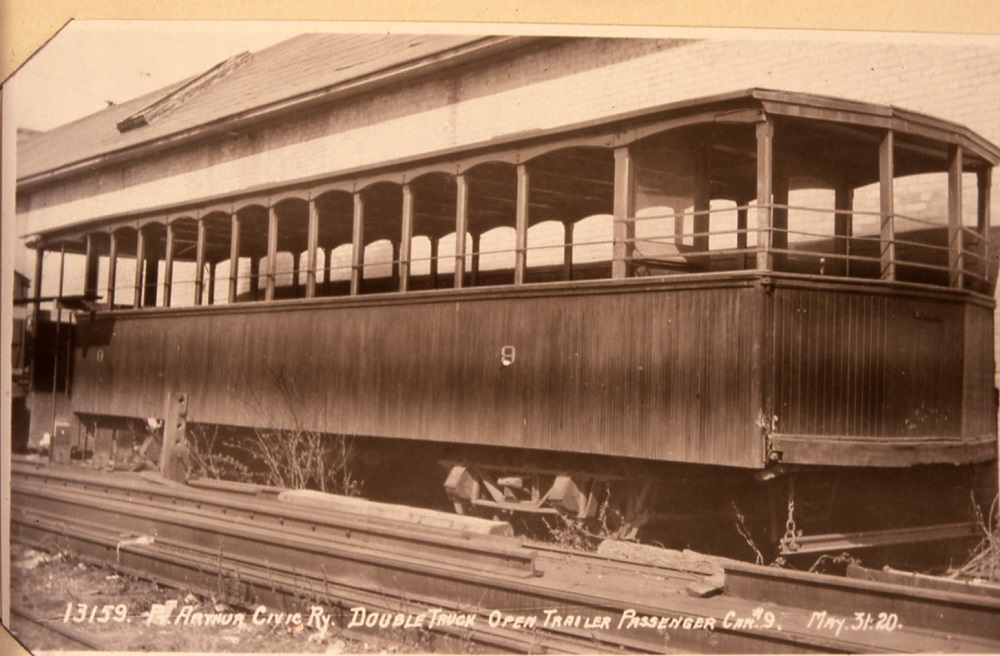
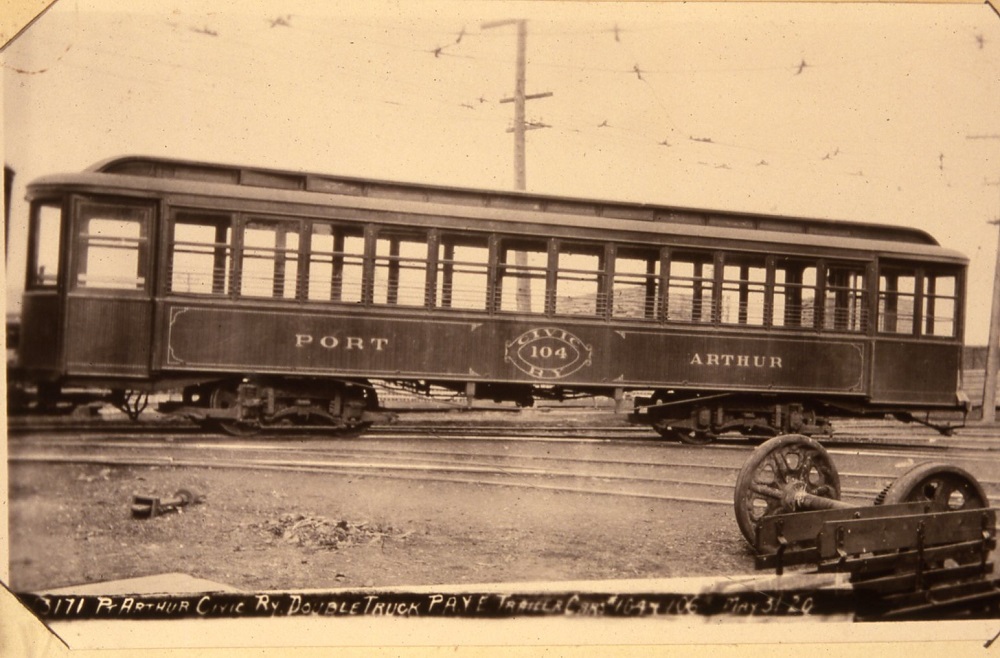
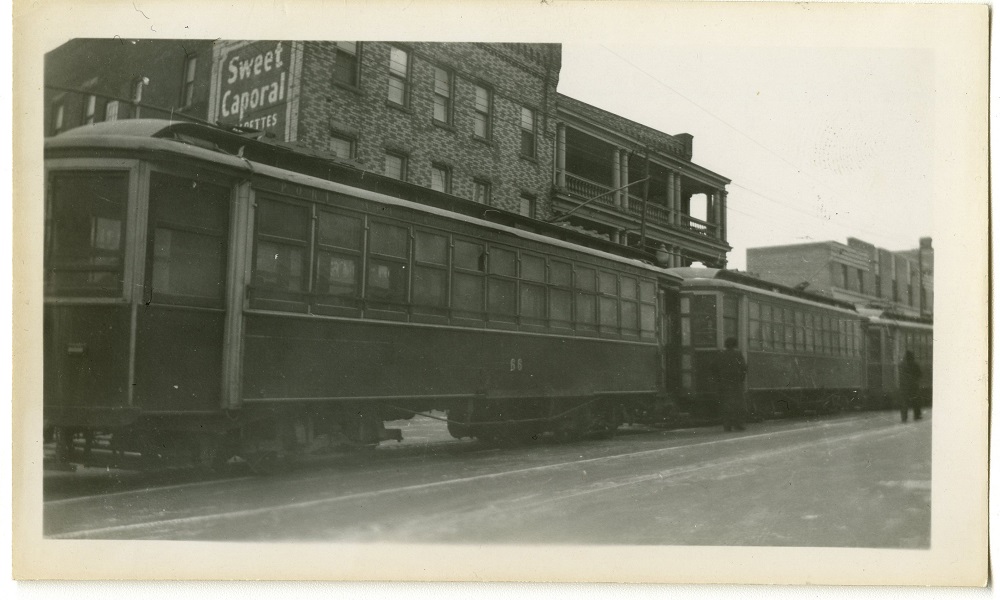
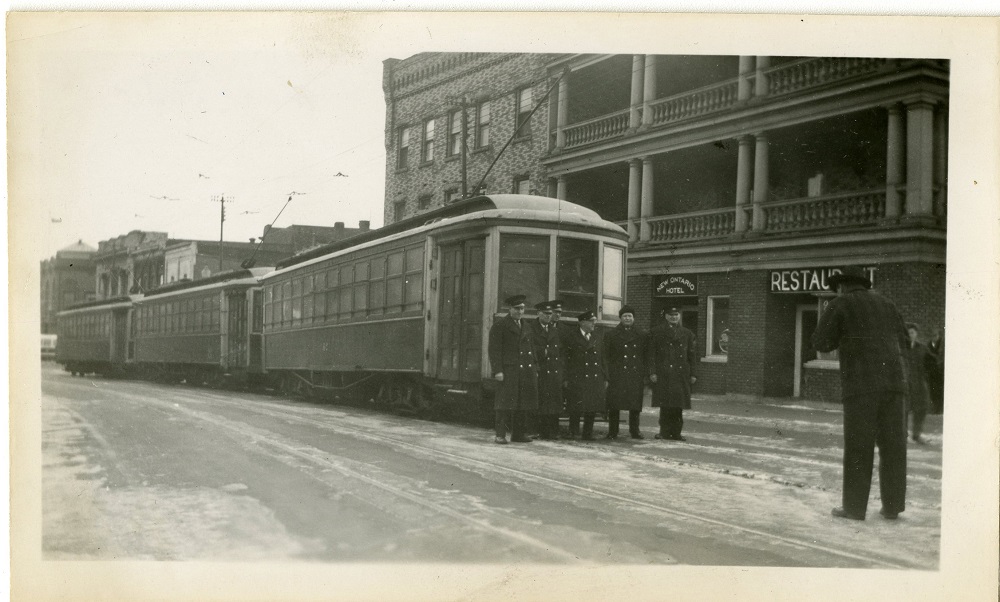
Title: Passenger Cars
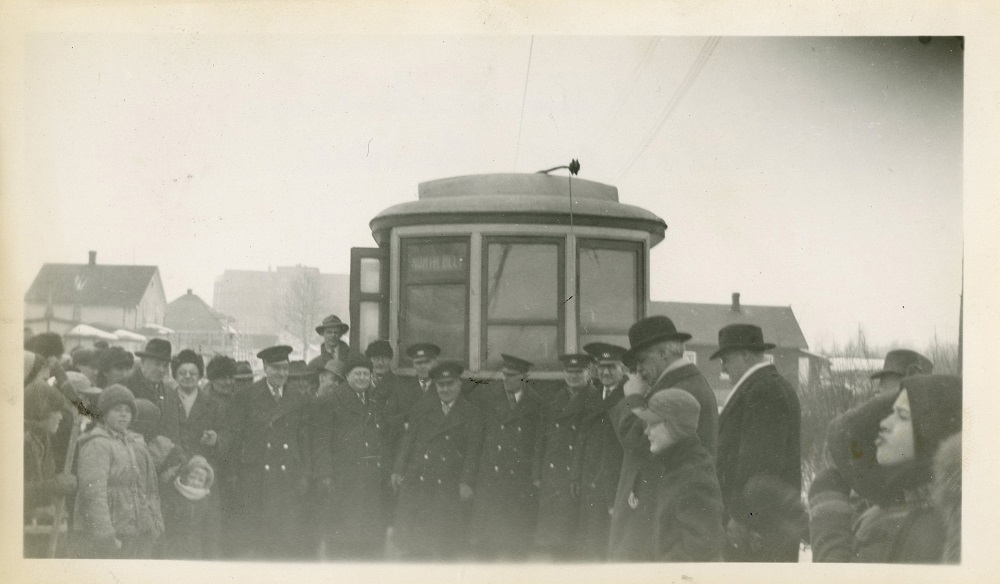
Title: Ceremony of Last Run of Street Car
Title: Ceremony of Last Run of Street Car
Title: Ceremony of Last Run of Street Car
Title: Ceremony of Last Run of Street Car
Title: Ceremony of Last Run of Street Car
Title: Ceremony of Last Run of Street Car
Title: Ceremony of Last Run of Street Car Date: 1948 |
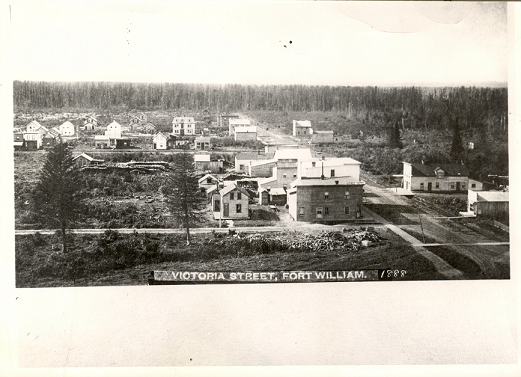 It is unlikely that the town of Port Arthur would have undertaken any form of public transit had it not been deemed essential to have a link to the rapidly developing community of east Fort William. In the 1880s, east Fort William was the newest settlement, and by 1890, the three main settlements in the region were Port Arthur, west Fort William (the Town Plot which, in 1888, the Canadian Pacific Railway dubbed Westfort) and the newly formed east Fort William.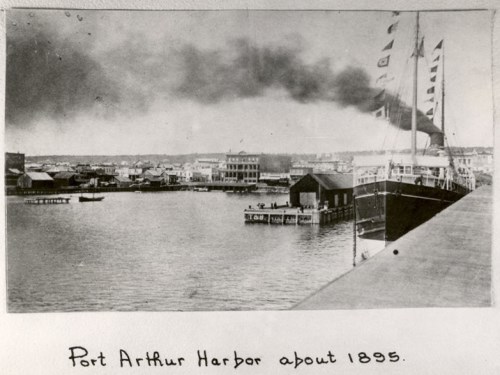
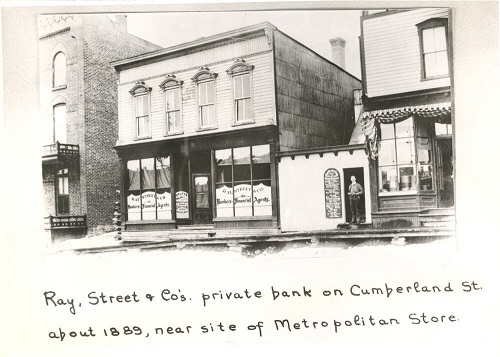 In Port Arthur, in the wake of an economic crisis that came with the end of the silver mining boom, the town realized there were no alternatives to the CPR. Port Arthur needed to find a way to retain its business and for that matter, its population. There had to be some means which could be found to draw people and money to Port Arthur’s urban core. It was in this atmosphere that the idea of constructing an electric street railway took hold. Wisely, Port Arthur officials recognized that they had in the street railway system the effective means to stop the southward migration to Fort William which was already taking place. They concluded that if Port Arthur provided efficient and regular transport service to and from the new CPR installations now located in Fort William, the reason for workers to move there would be stopped. Understandably, those residents in Fort William who recognized in the odd situation the means to increased population were opposed to the extension of Port Arthur’s street railway into their city.
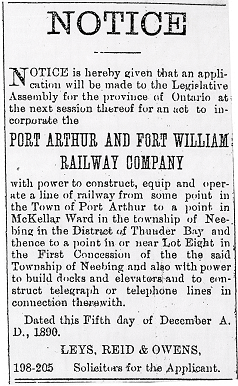 feasibility of constructing an electric street railway. On October 14th of that year, once council reported that an electric railway was desired, an Electric Railway Committee was established to consult technical experts and to make recommendations to council. The fall of 1890 to the summer of 1891 was a period of conflict among influential businessmen and politicians in Port Arthur, as debates arose around how the street railway should be financed and which route it should take. While the Electric Street Railway Committee was consulting technical experts to determine a route and power supply, a group associated with the notable Port Arthur businessman,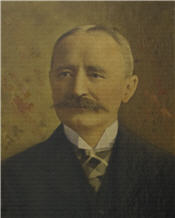
 two wires from the trolley feeder into the Journal’s editorial office on May Street. To this improvised circuit, five 16 candle power lamps were connected. It is not recorded if this arrangement was officially sanctioned, or was an ingenious but unofficial innovation. Nevertheless, the first electric bulbs - five of them - to be used in Fort William, were linked to this unorthodox power source, preceding the community's own supply of electricity for lighting by four years.
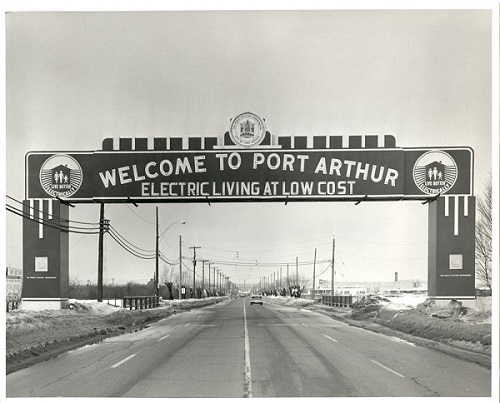 house, operation of steam pumping had been discontinued and replaced by water power after the installation of a Water Wheel. A year later, the joint board overseeing the civic railway in both cities determined that they would not be able to guarantee continuous service unless auxiliary power was provided. A resolution was passed by the board urging City Council to purchase an Auxiliary Apparatus for the street railway powerhouse, in the shape of an extra Motor Generator Set.
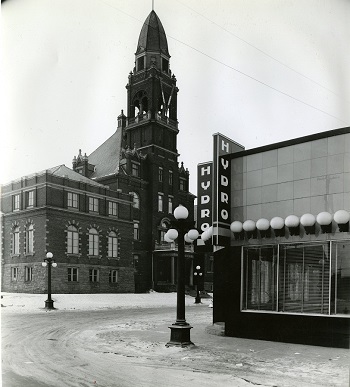 complexity of providing efficient and affordable electricity forced many changes in administration in the first half of the 1900s. It was therefore proposed that a single body be established to govern and guide the operation of the utility in the future for Fort William. The Hydro Electric Commission of Fort William was established and was commonly referred to simply as Fort William Hydro. For the first half of the 20th Century, electric power development in Northern Ontario came with great financial risks but the Thunder Bay region was recognized as being a substantially stable area. Because of the region's stability, Thunder Bay was established as an integral part of Ontario Hydro.
 .
.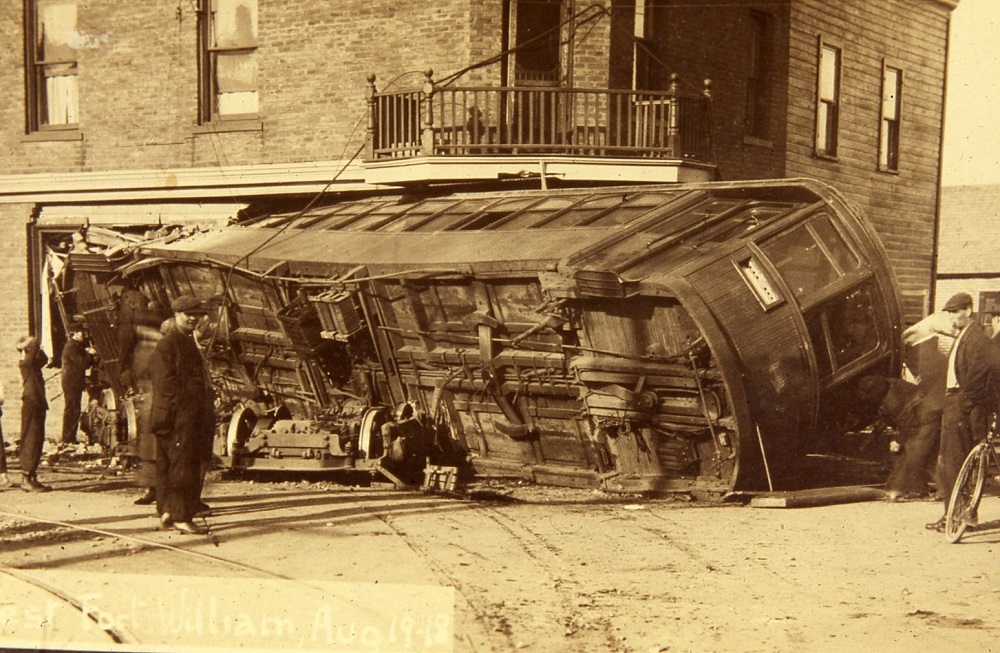 The next day labour leaders, at an open-air meeting in Carrick Park, warned strikers to avoid violence before beginning a thousand person march to protest. Street Car No.32 was bound for Port Arthur at 7:00 p.m. when, at the corner of Simpson and McTavish Streets, stones and broken railway ties blocked the track causing the car to be derailed. A mob rushed forward, driving spikes into the grooves in the rails forcing the driver and conductor to run for their lives. Strike sympathizers pelted the street car with rocks until every window was broken. Two more cars arrived at the corner, but were blocked by the derailed car No. 32. Rocks and bricks were thrown through their windows as well, causing men, women and children to drop to their knees in the aisles for cover.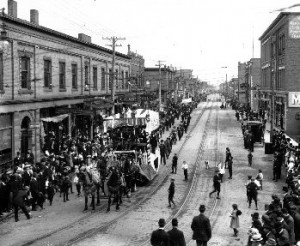
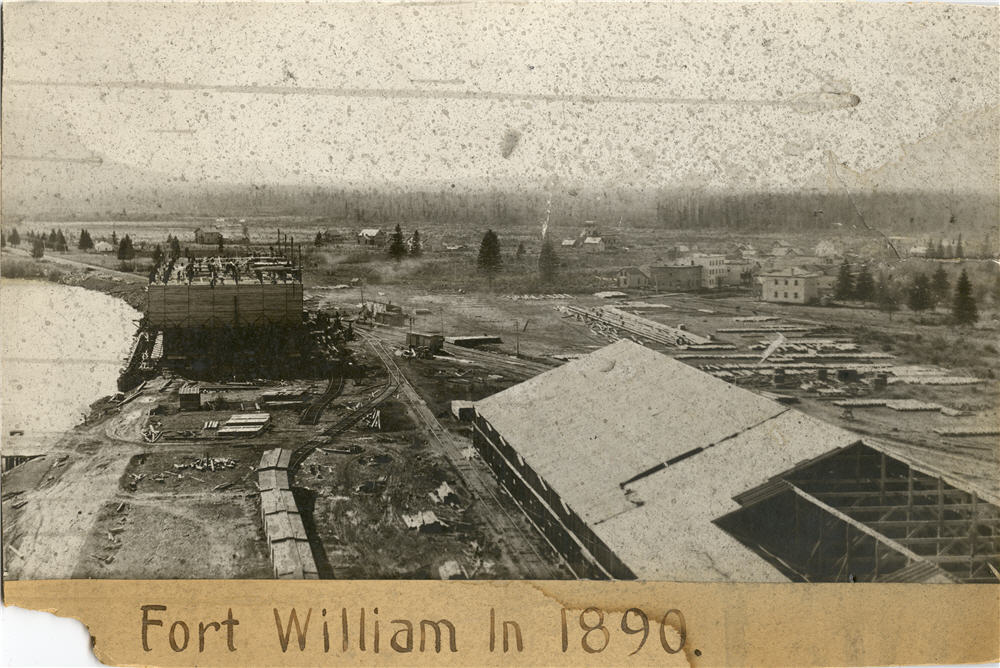 Title: Fort William in 1890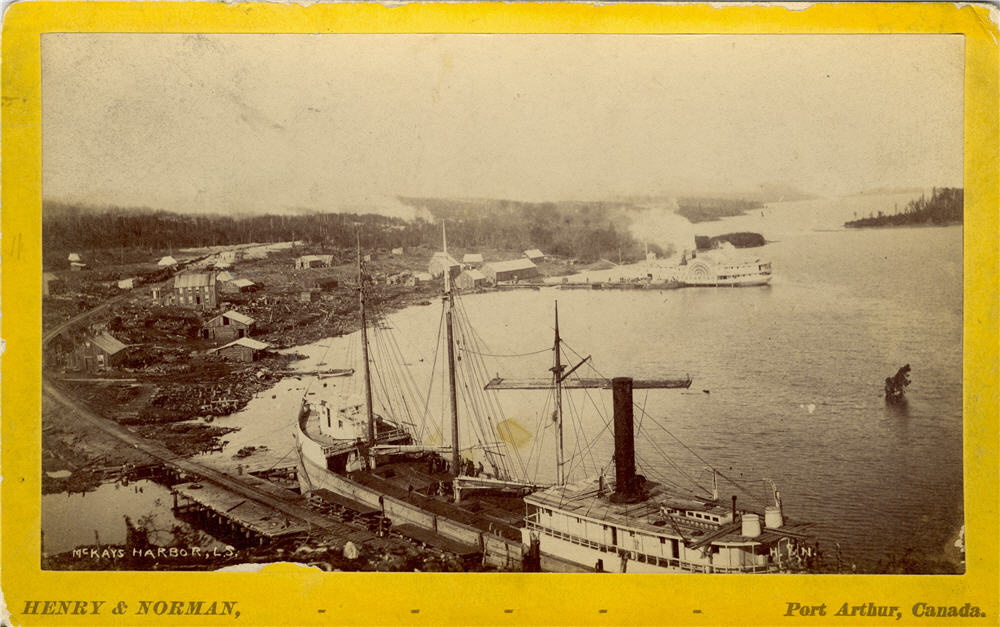
Contact Us
 Connect