




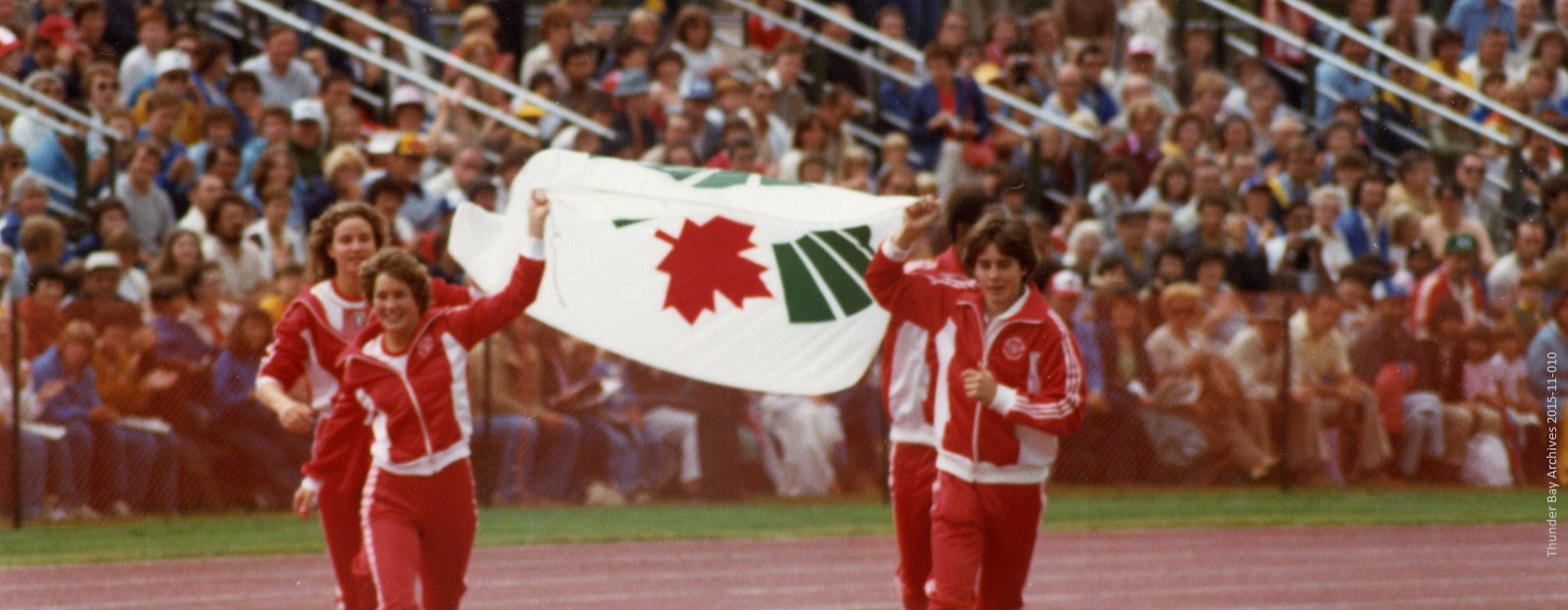


“The thrill of competition within the spirit of cooperation…”1
During the warm summer month of August 1981, Thunder Bay captured the nation's attention as the host city for the Jeux Canada Games. Thunder Bay was the first city in Ontario to stage the Games, and organizers of the event were committed to ensuring that the City would stage the best Games ever held. This exhibit is a journey through the  colossal task of planning the Jeux Canada Games. Four years of tireless effort were required to ensure the success of the Games - from ensuring that funding and administration were put in place, to overseeing the development of recreational facilities, to promoting the Games to the nation. Ultimately, the Games left behind a noticeable human legacy in Thunder Bay, one that continues to be recognized throughout the city to this very day.
| Ready, Set, Go! Planning and preparing for a legendary event | ||||||||||||||||||||||||||||||||||||||||||||||||||||
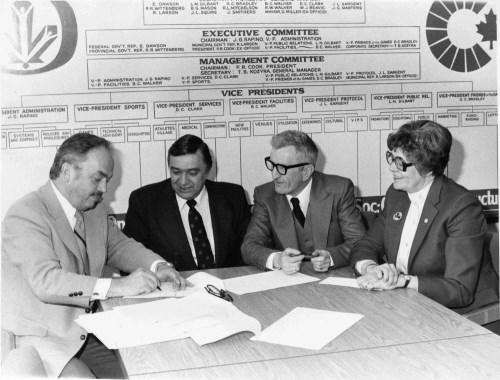
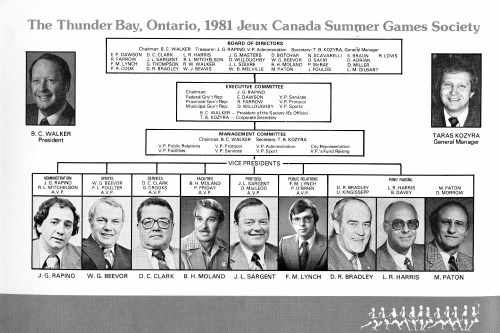
The Early DaysThe Jeux Canada Games would never have happened without the effort, dedication and support of over 5,000 volunteers, 67 staff and the leadership of the executive branch. The host society’s responsibilities were extensive and a great deal of work was required to ensure the Games could go off without a hitch. Some of the key tasks that lay ahead for the host society included: planning the opening and closing ceremonies, arranging accommodations for the officials and athletes, raising funds, organizing sports events, orchestrating publicity to promote the event and the construction and upgrading of sport facilities to stage the Games. Preparations for the Games began in 1977, some five years before the event took place. Before Thunder Bay had been designated as the official host city for the Games, work was already underway to gain City Council’s approval to compete for the Games and prepare the bid proposal that would eventually win the event for Thunder Bay. Establishing the Host SocietyAs the first city in Ontario to win the bid for the Games, efforts were immediately put in place by the City of Thunder Bay to coordinate a host society to organize and manage the Games. City Council approved the establishment of the host society for the Jeux Canada Games on Feb. 21, 1978. From that time on, four years of tireless effort and dedication from host society staff and volunteers led to a landmark event for the City, which continues to shape Thunder Bay to this very day. The host society was governed by an Executive Committee and a Management Committee who reported to the Board of Directors. The management team of the host society was responsible for approving major purchases and expenses, making the final decisions on policies and resolving problems. The General Manager, Taras Kozyra, steered the overall direction of the host society and made reports and recommendations to the Board of Directors. Working to a strict deadline, the organization and administration of the host society were critical to its success in reaching the necessary goals by the time the Games were set to begin. The host society was broken up into six different divisions, each overseen by a Vice President, which reflected the key responsibilities of the organization. These divisions included Administration, Services, Protocol, Sports, Facilities and Public Relations. Signing of the Four Party Agreement
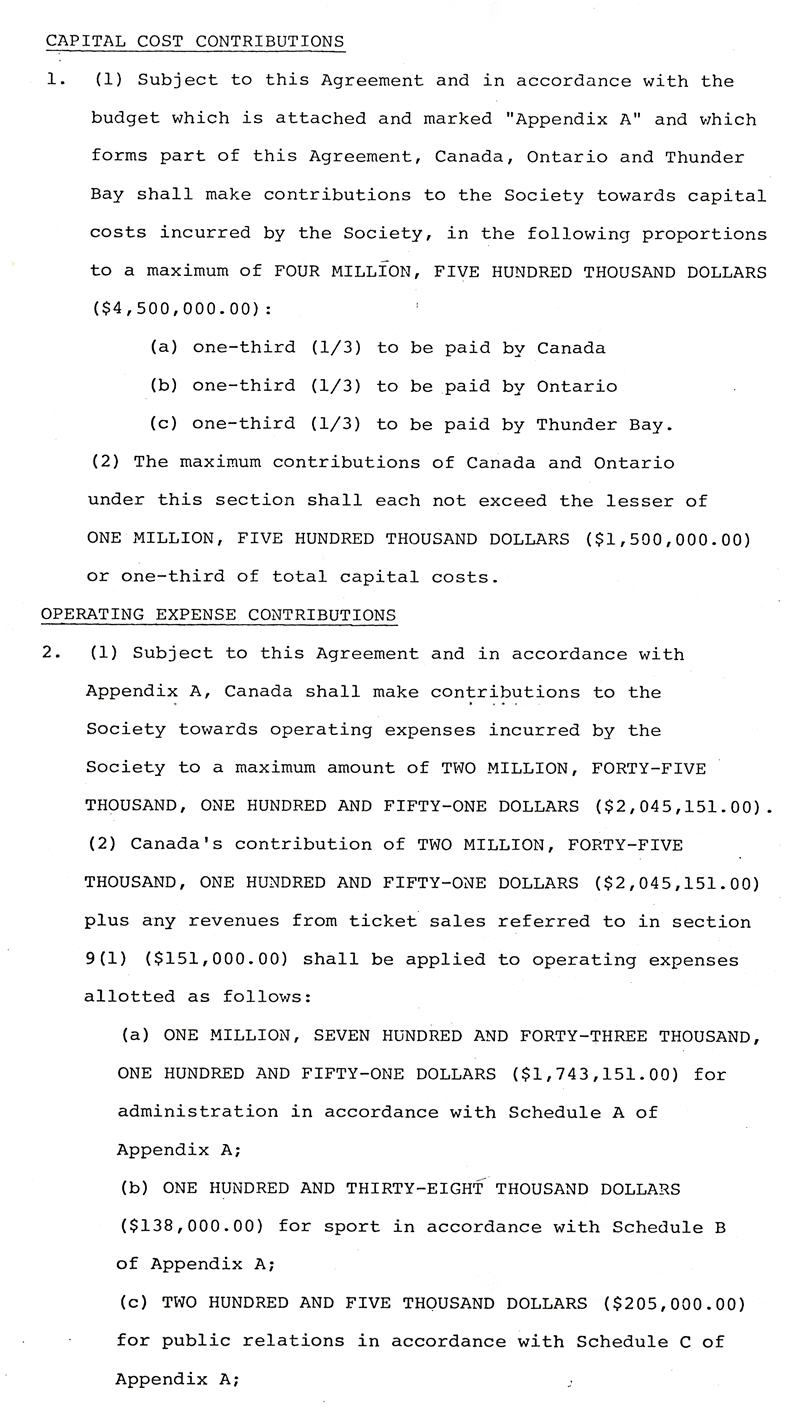
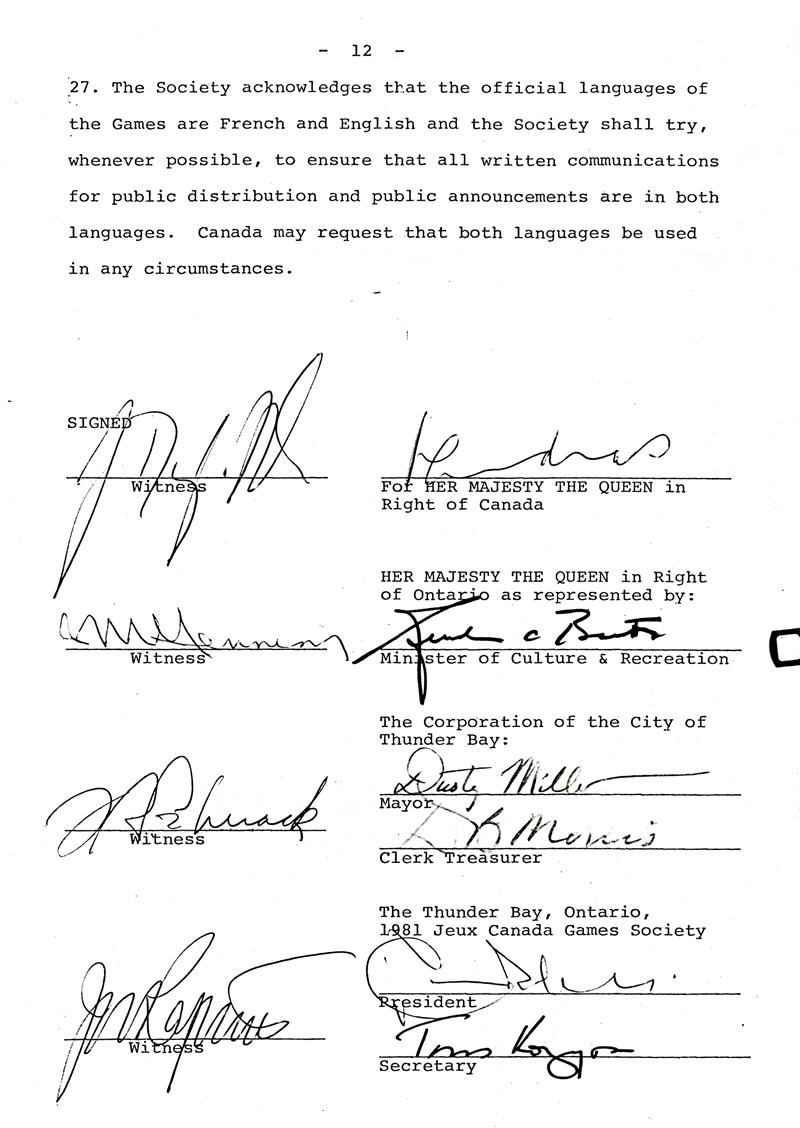
Financing for the GamesFinding a primary source of funding for the Games was a paramount concern for the host society from the first day. Months of negotiations led to the establishment of a Four Party Agreement between the Federal, Provincial and local governments and the host society. The agreement, which was signed on March 16, 1979, outlined major contributions for capital costs and operating expenses. The Governments of Canada, Ontario and Thunder Bay each contributed $1.5 million toward capital costs. This figure was based on the original estimated capital costs from an Administrative Report produced in 1977 that determined the host society would require a total of $4.5 million for capital costs. The Government of Canada agreed to contribute a maximum of $2,045,151 toward operating expenses, which was designated to be used for administration, sports, public relations, protocol and facilities. Organizational Charts
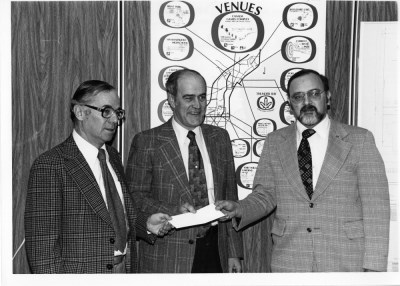
Aside from the government - businesses, associations and individuals also contributed toward funding for the Games. The Friends of the Games division was responsible for garnering support from the private sector. Headed by Vice President Duncan Bradley, the Friends of the Games division reached out to a variety of large firms across the country, local small businesses and service clubs. Many of the local service clubs participated in a city-wide business appeal, canvassing local businesses for support, while the two Rotary Clubs representing Fort William and Port Arthur contributed $30,000 that was allocated to capital costs for the Canada Games Complex. The Friends of the Games division also struck an agreement with the Ministry of Culture and Recreation’s Wintario program. In this agreement, the Ministry agreed to match each dollar raised through Friends of the Games initiatives on a scale of two to one. One of the largest private contributors of the Games was Molson Breweries. Molson contributed an upfront cash donation of $135,000 and received special recognition in return, including participation in the National Media Tour and exclusive presence at all major Games receptions. ² Post-Games Report completed by Taras Kozyra, General Manager. City of Thunder Bay Archives (TBA 8038-04). |
||||||||||||||||||||||||||||||||||||||||||||||||||||
| Four Party Agreement | ||||||||||||||||||||||||||||||||||||||||||||||||||||
| City Council approved the proposal to bid for the Games on July 26, 1977. Cities all over the country competed for the bid, including the cities of Kingston and Sudbury in Ontario. Once the bid had been submitted, the people of Thunder Bay waited three months to hear the news. When Thunder Bay successfully made the provincial short list, the City received a visit from the Host City Site Selection Review Team in November 1977. Included were three members of the Sports Federation of Canada, the Secretary of the Canada Games Council, a representative of the Provincial Director’s Council for Sports and Recreation and a staff member from the Sports and Fitness Division of the Ontario Ministry of Culture and Recreation.
After making a profound impression on the Selection Review Team, the announcement that Thunder Bay was to be the official host city for the Games of 1981 was made by Iona Campagnola, Minister for Fitness and Amateur Sport, and Robert Andras, Federal Treasurer, on Dec. 14, 1977. The Four Party Agreement ensured funding for a large proportion of the capital costs and operating expenses required for the Games. However, it also provided for the establishment of the 1981 Canada Summer Games Coordinating Committee to oversee financial transactions, monitor and control capital costs and operating expenses. The committee consisted of a representative from each level of government and non-voting representatives from the host society.
City of Thunder Bay Archives (TBA 8021-23). |
||||||||||||||||||||||||||||||||||||||||||||||||||||
| Let the Games Begin! The Jeux Canada Games and amateur sport in Canada | ||||||||||||||||||||||||||||||||||||||||||||||||||||
Promoting Sport in CanadaSports development and the promotion of health and fitness had been topics of discussion within Canada for much of the twentieth century. The Jeux Canada Games of 1981 took place within a broader landscape of continuing debate over the importance of sport, private sponsorship, the role of government involvement in promoting sport and fitness and an ongoing debate over whether professional athleticism should take precedence over the promotion of general health and well-being. In 1961, the Fitness and Amateur Sport Act was passed to “encourage, promote and develop fitness and amateur sport in Canada.”1 This Act also saw the establishment of the Federal Fitness and Amateur Sport Branch, which would eventually serve as the main overseer and key financier of the Jeux Canada Games. Often considered an opportunity to train young Canadians, the Jeux Canada Games were recognized as a key method for encouraging activity and strengthening the degree of professional skill in Canadian athletes.
Highlights of the Games
Visit the Canada Games Website for more Information
2 Quote from Gerald A. Regan, Minister for Fitness and Amateur Sport adapted from the publication: Jeux Canada Games 1981, published by the Government of Canada. City of Thunder Bay Archives (TBA 8022-26). |
||||||||||||||||||||||||||||||||||||||||||||||||||||
| Investing in the Future: Recreational facilities in the City of Thunder Bay | ||||||||||||||||||||||||||||||||||||||||||||||||||||
|
The decision to grant Thunder Bay the title of host city for the Jeux Canada Games of 1981 led to a range of developments and renovations to recreational and sporting facilities in the City. The most prominent example of these improvements is the construction of the Canada Games Complex. Designed by the architectural firm Marani, Roundthwaite and Dick and built by Gateway Building and Supply Limited, the Canada Games Complex was a major development project for the City. Although the Complex was initially devised to accommodate the swimming, waterpolo and diving competitions for the Jeux Canada Games, it was also built to serve as a recreational facility for the community. The Complex was designed to work with the establishment of community programs including fitness programs and learn-to-swim programs and boasts facilities capable of staging special events and exhibitions. The host society and City Council realized that it was important to ensure that the facility remain useful to the community beyond its service in the Jeux Canada Games. This was particularly important given the struggles endured by previous host cities of the Games in maintaining their facilities and managing costs once the Games were over. To this end, City Council established a Mayor’s Special Advisory Committee consisting of the Mayor and senior City administration, as well as representatives from the Lakehead Board of Education, Lakehead University, Confederation College, Lakehead District Roman Catholic School Board, the host society, the local YM-YWCA and St. Joseph’s Heritage. The goal of this committee was to ensure that the Canada Games Complex and other upgraded recreational facilities would continue to be used to their full potential beyond the scope of the Games.
Aside from the construction of the Canada Games Complex, many other upgrades were also required to existing sports facilities in 1981 in order to ensure that they remained up to the standards established by the Canada Games Council. The list below provides some examples of other local facilities and the improvements they received for the Games:
|
||||||||||||||||||||||||||||||||||||||||||||||||||||
| Getting the Show on the Road: Media and publicity for the Jeux Canada Games | ||||||||||||||||||||||||||||||||||||||||||||||||||||
Promoting the Jeux Canada Games 1981
In addition to these efforts, the host society commissioned Chetwynd Films of Toronto to produce a 40-minute documentary to capture the events of the Games. The purpose of the documentary was to promote sport in Canada and serve as a lasting record of the effort and achievement put into organizing the event. The film was screened at local libraries following the Games and was also aired on Maclean Hunter Cable 7 TV. Copies of the film were also created by the Lakehead Board of Education and it was shown to school children all over the region. Overall, the Canada Games attracted 15,000 visitors from the local community and from across the country, proving that the Public Relations division was successful in promoting awareness and garnering support for the Games.
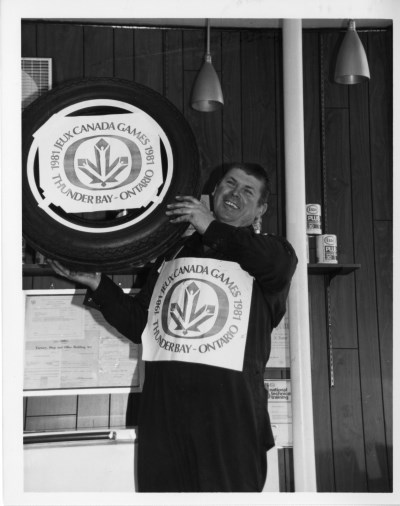
Putting a Face to the EventA great deal of attention was paid to the design of the logo, mascot and medals for the Jeux Canada Games 1981. The Jeux Canada Games logo, featuring the highly recognizable symbol now used by the Canada Games Complex, was designed by local commercial artist Ken Campbell of K.R. Campbell Communications Incorporated. This logo was used on all official correspondence, media releases and souvenir items relating to the Games. Red was chosen as the colour for the symbol because of its connection to the maple leaf of the Canadian flag and its status as the official colour for Ontario. The central figure is surrounded by an ‘O’ for Ontario with three athletes for each branch of the maple leaf reflecting gold, silver and bronze. Ken Campbell was also the creator of the mascot for the Jeux Canada Games 1981, Choklit Moose. Local student Dan Stack was the winner of a competition devised to find a name for the mascot in January 1980. The medals awarded to winning athletes of the Games were designed by Gerry McEachern, a commercial artist local to the city of Thunder Bay. The design created by McEachern was intended to capture the symbolic significance of both Thunder Bay and the Canada Games by incorporating the unique Jeux Canada Games 1981 logo and the key identifying feature of Thunder Bay, the Sleeping Giant.
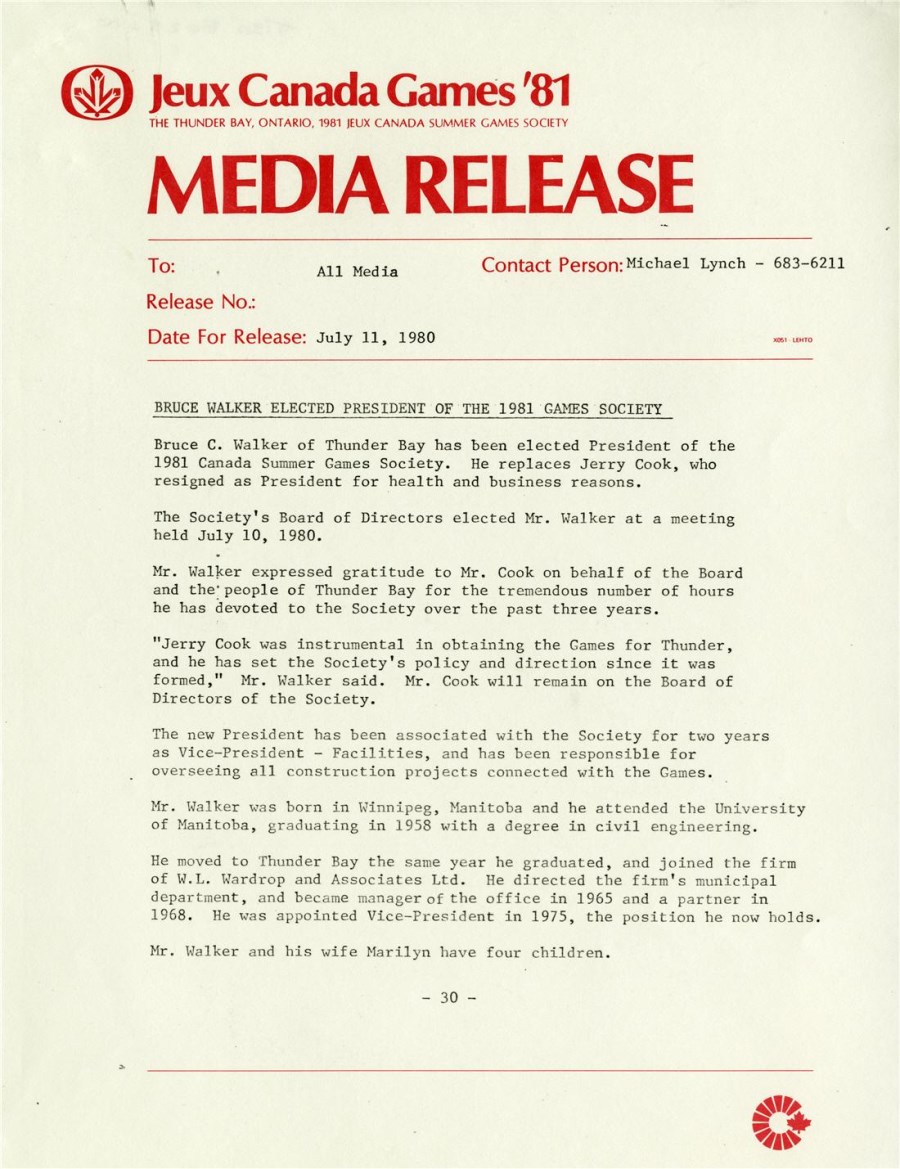
A Media Release dated July 11, 1980, notifying the media of Bruce Walker's appointment to the position of President of the Jeux Canada Games host society.
City of Thunder Bay Archives (TBA 8025-16).
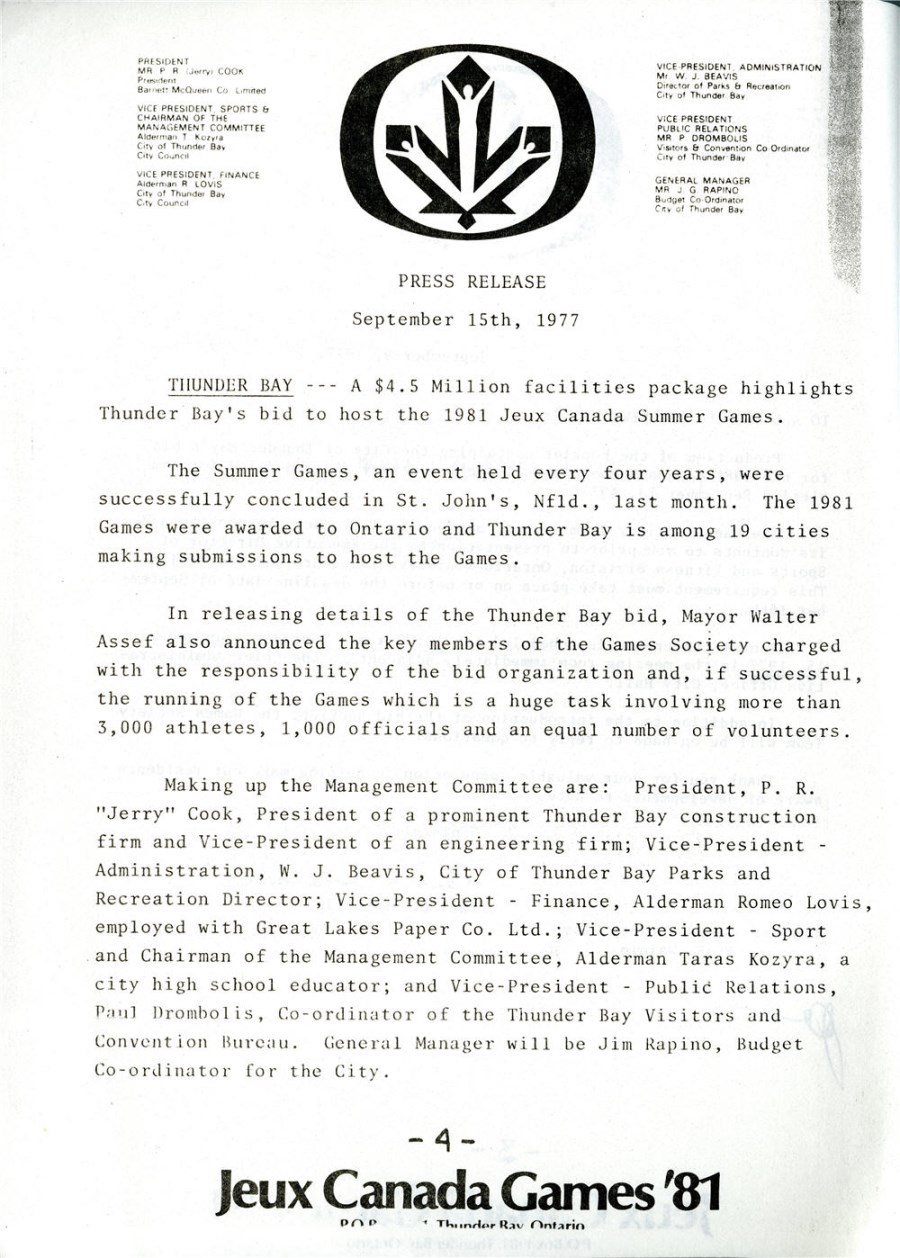
Media Release dated Sept. 15, 1977, notifying the public of Thunder Bay's bid to host the Jeux Canada Games in 1981.
City of Thunder Bay Archives (TBA 8023-05). A published compilation of all Media Releases issued by the host society is also available at the City of Thunder Bay Archives (TBA 8023-05).
|
||||||||||||||||||||||||||||||||||||||||||||||||||||
| A Lasting Legacy: The impact of the Games on the community | ||||||||||||||||||||||||||||||||||||||||||||||||||||
Investing in Young Canada
Other local initiatives raising support and funding for the Games included:
A further benefit of this program was that it united over 100 different cultural organizations already in Thunder Bay at the time, allowing for a highly successful cooperative effort where skills and resources could be combined to expand upon the cultural opportunities available within Thunder Bay for the years to come. Cultural activities and events took place well before the actual Games, but a heightened degree of activity was centered around the event. Included in the August 1981 program was an exhibition titled ‘Body Works’, designed by the Ontario Science Centre, a solo exhibit of works created by Northwestern Ontario artist Norval Morriseau, an Arts and Crafts fair, a series of exhibits developed by the Royal Ontario Museum and dance workshops hosted by the Grossman Dance Company. Selected materials from the National Sport Art Collection were also exhibited in the Canada Games Complex throughout the course of the Games.
Host society members and members of City Council also saw the initiative as an opportunity to ensure that the recreational facilities would continue to be used beyond the course of the Games, ensuring that the facilities would serve as a worthwhile investment for the City. The overall objective of the campaign, according to the creators, was to:
Health and fitness education also extended to the classroom. Educational curriculum materials were also adapted to include a focus on sport and fitness. Host Groups were encouraged to visit, mini-games events were staged to involve students and student exchanges took place. 1 Post Games Report prepared by Taras Kozyra. City of Thunder Bay Archives (TBA 8038-04). 2 Excerpt taken from a speech titled Strategic Planning for Health Promotion at the Community Level delivered by Frances Guzzi and D. Wesley Leister to the Canadian Public Health Association Annual Conference, held in Ottawa (June 1980). City of Thunder Bay Archives (TBA 8038-41). |
 The host society, volunteers and contributors saw the culmination of their efforts in August 1981 when the Jeux Canada Games took place in Thunder Bay. However, when the Games came to an end, it did not spell the end of the host society’s responsibilities. At the completion of the Games, work was underway to distribute the assets that had been acquired throughout the course of the society’s operations, including distributing sporting equipment to various associations within the community. The management also implemented a plan to dismantle the organizational structure of the host society. Additionally, Post-Games reports were prepared describing the organization of the host society, the work undertaken, the hurdles faced and how they were overcome, while evaluating the success of the efforts from staff. These reports were created for the benefit of future host societies. Finally, the host society entered into an agreement with the City of Thunder Bay, transferring its rights and responsibilities upon dissolution. The host society officially dissolved on Dec. 31, 1981.
 Other funding from the Canadian government contributed toward catering, salaries and benefits. In return, the host society agreed to organize, manage and promote the Games in accordance with the standards laid out in the Canada Games Handbook. They also agreed to raise funds from private sources and attempt to raise $151,000 from ticket sales. As work on organizing the Games got further underway, capital costs and operating expenses continued to grow well beyond the estimated budget established by the host society, doubling from $7 to $14 million over the four years leading up to the Games.² However, careful planning and innovative fundraising techniques meant that success could still be ensured and no deficits were accrued.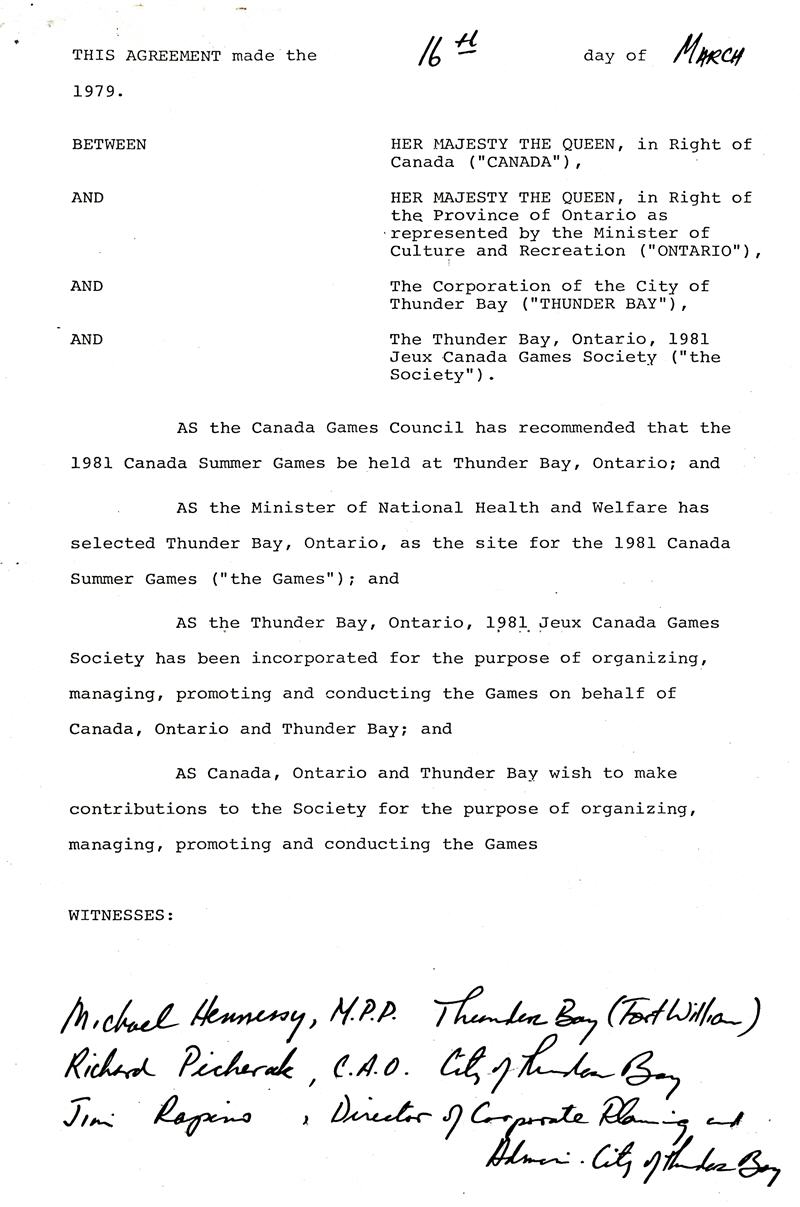
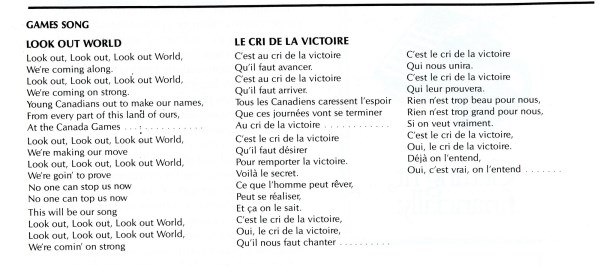 In 1969, the Canada Games Council was established as an independent body to oversee the Games and establish standards and policies for all events and host societies. The Canada Games Council laid out a list of objectives that went well beyond sport itself. Earl Dawson, first secretary of the Council, explained that in addition to supporting young athletes, the Games were about the development of first-class facilities for communities across Canada, the promotion of local level athletic competitions and the expansion of employable skills of individuals within communities through the professional development opportunities offered by the Games. From the initial stages of planning, organizers of the Jeux Canada Games 1981 recognized they would have to satisfy all these criteria in order to host the best Games ever. At the completion of the Games, Gerald A. Regan, Minister for Fitness and Amateur Sport, noted that “there is no doubt that the Canada Games have become what they were always meant to be: a quality developmental multi-sport event that offers realistic competitive opportunities for promising young athletes from every province and territory.”2
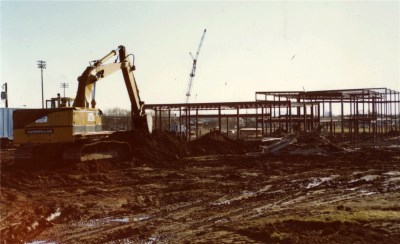 When it was first constructed, the central features of the Complex included a 77-metre Olympic standard pool, diving pool with diving stands at four different heights, a child care centre, a therapeutic pool, a fitness area and racquetball courts. However, the Complex also received a number of renovations and changes throughout the years in order to keep it relevant and up to date for the public. Some examples of these changes include the transformation of the racquetball courts into a weight room, the installation of multi-purpose training rooms and the ‘Thunderslide’ waterslide, and the transformation of the upper-level viewing deck into a running track. Recent renovations and upgrades that have ensured the facility is up to date technically and mechanically include paving and landscaping to the parking lot and entrances, roof replacement, a new reception area, and a variety of mechanical upgrades. These new upgrades were funded through the Ontario Infrastructure Program. There have been numerous other major upgrades, installations and refurbishments completed throughout the years since the building was first constructed.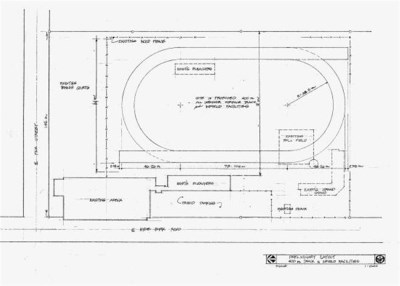
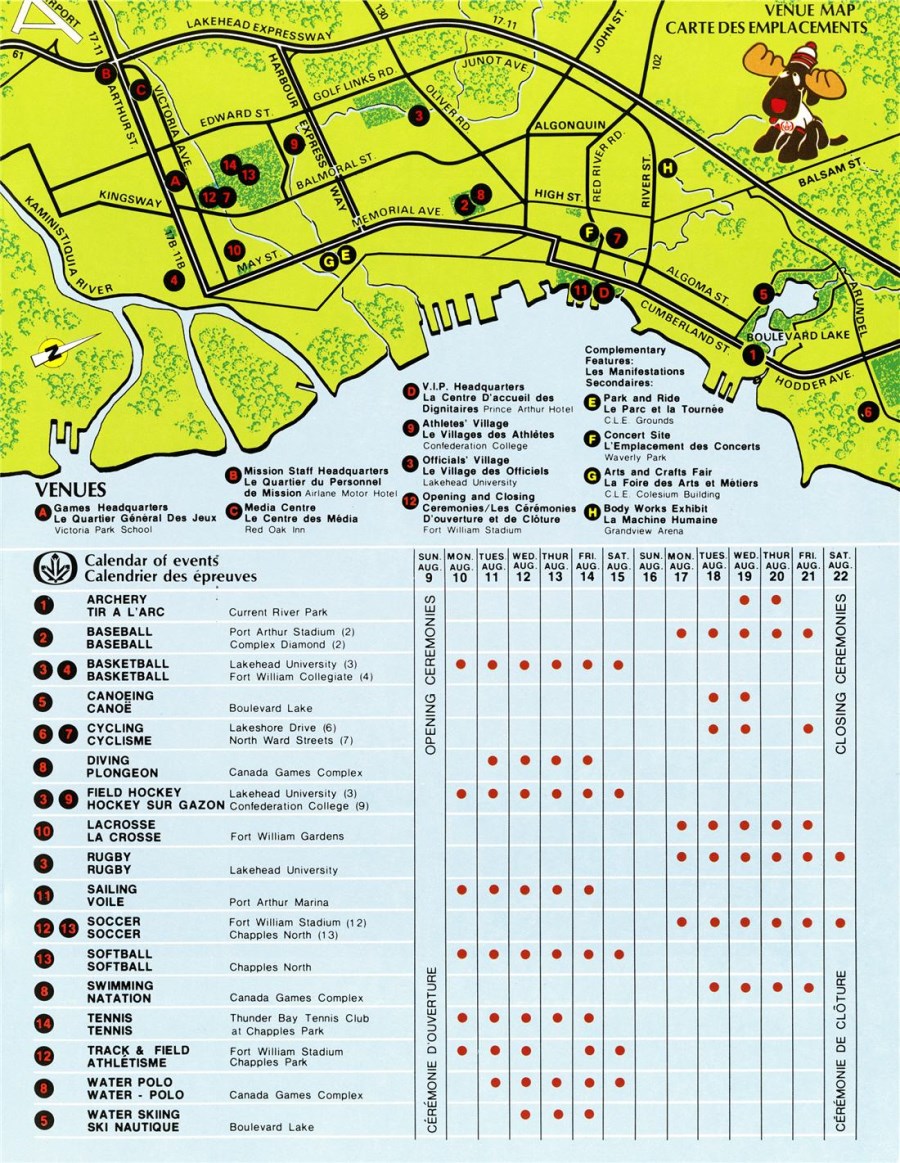
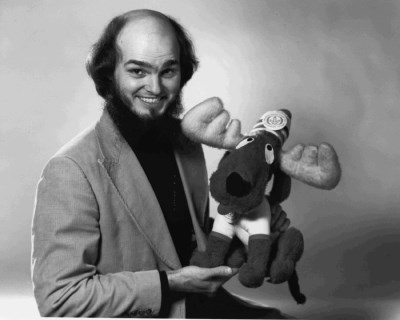 The host society of the Jeux Canada Games 1981 established a special Public Relations division to coordinate all media and publicity activities for the Games. The key objective of the Public Relations division was twofold: to provide a sound base for the revenue-producing program, and to increase public awareness of the benefits derived from the Games. The division established a comprehensive Public Relations information package in conjunction with Cockfield, Brown & Co. Ltd and managed all press conferences, media releases and promotional ventures serving as the official voice for the host society. The Public Relations division also established agreements with local newspapers to run front-page advertising for the Games, and coordinated a National Media Tour that took place in the early months of 1981.
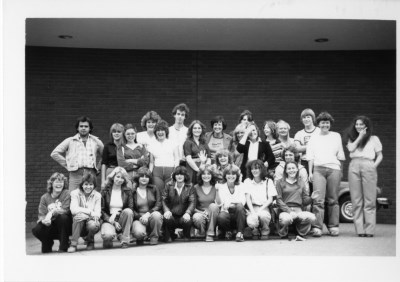 From the very beginning of the Jeux Canada Games in 1967, the Games had been heralded as an opportunity to invest in the youth of Canada, offering opportunities and possibilities that extended beyond the development of facilities. The Games provided opportunities for community participation, promoted awareness of the importance of health and well-being, enabled local members of the community to develop marketable skills and allowed young Canadians to reach their full potential while gaining recognition for their efforts. In 1981, these extended benefits were demonstrated through the recruitment of staff and volunteers from the region, the development of complementary programs alongside the Games and the training opportunities catered to officials. By the time the Games began, the total volunteer contribution was estimated to involve approximately 5,000 people, while 67 people had been recruited as paid staff. Additionally, Thunder Bay provided a host of sport officials, many of whom were trained through specially developed training seminars held in Thunder Bay in the years leading up to the event. The effects of the Games on Thunder Bay were best explained by General Manager Taras Kozyra who stated in a Post Games Report:
 The host society of the Jeux Canada Games 1981 recognized the potential that complementary programs could play in fostering community involvement. Programs in effect throughout the course of the Games included the cultural program (Creative Canada Créatif), the Educational Student Exchange program and the Community Fitness First program. The cultural program encouraged artists to the City, and opened opportunities for local artists in the area to achieve recognition on a national scale, with art exhibits, workshops and an expansion of currently offered cultural programs within the City. Funding from the Ontario Ministry of Culture and Recreation allowed for an acquisition budget to complement the newly constructed Canada Games Complex, decorating the lobby with artistic celebrations and giving local artists an opportunity to exhibit their work in a highly visible public space. Other supporters of Creative Canada Créatif included the Federal Department of Communications, the Wintario Program offered by the Government of Ontario and the Ontario Arts Council.
 Aside from the cultural component of the Games, a side project entitled the Community Fitness First Campaign was developed by the Thunder Bay District Health Council. The Campaign, which involved senior members of the host society, including Taras Kozyra and Dave Siciliano, used the Jeux Canada Games 1981 as a catalyst to encourage physical activity and promote a healthy lifestyle.
About this Exhibit
This exhibit was created using information and graphic material belonging to the City of Thunder Bay Archives and the Northwestern Ontario Sports Hall of Fame.
Archival Series used in this exhibit include:
- Jeux Canada Games 1981: Administration, 1977 - 1982 (Series 417)
- Jeux Canada Games 1981: Publications, 1970 - 1981 (Series 418)
- Jeux Canada Games 1981: Communications and Media Coverage, 1978 - 1982 (Series 419)
- Jeux Canada Games 1981: Background Information to the Games, 1978 - 1981 (Series 421)
- Jeux Canada Games 1981: Preparations, Policies and Procedures, 1970 - 1981 (Series 422)
- Jeux Canada Games 1981: Facilities, 1963 - 1982 (Series 427)
- Jeux Canada Games 1981: Fundraising, 1978 - 1981 (Series 429)
Every precaution has been taken to ensure that copyright has been cleared for images used in this exhibit. If you have any concerns, please contact the City of Thunder Bay Archives.
1 Excerpt adapted from a slideshow transcript. City of Thunder Bay Archives (TBA 8024-02).
Contact Us
 Connect