




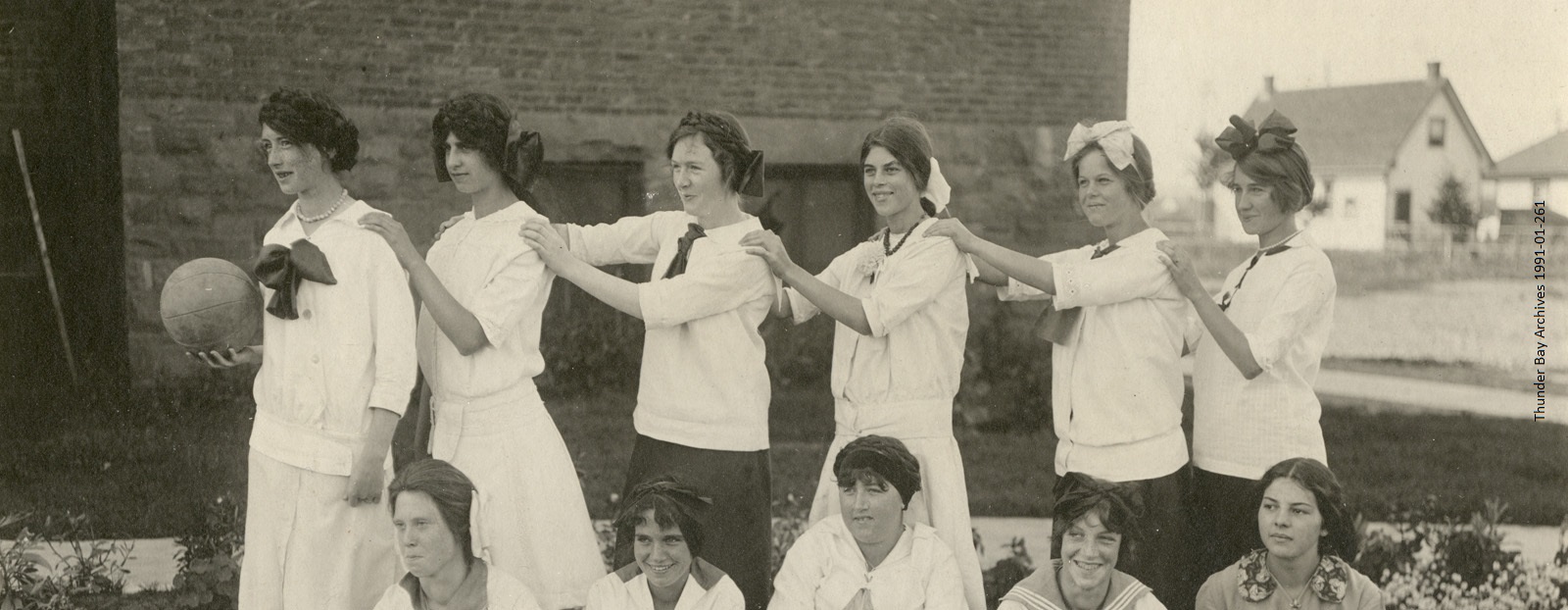


2026 Women's History Month Nomination Information
Submissions from the community must be submitted by July 1, 2026, to be considered. To qualify, submissions must include a brief biography highlighting the individual’s significance to Thunder Bay along with some images. We will be adding new women to this exhibit every October, which is Women's History Month.
If you would like to nominate a woman to be included in this exhibit, please Submit A Nomination or mail to:
City of Thunder Bay Archives (500 Donald St. E, Thunder Bay, ON P7E 5V3)
To learn more, contact the City of Thunder Bay Archives at archives@thunderbay.ca or 807-625-2270.
2025 Women's History Month
| Elinor Barr |
|
Elinor Barr was an accomplished and prolific historian of northwestern Ontario's history, leaving a considerable legacy of work that documents and interprets the region's heritage. Born Elinor Berglund in 1933, she grew up in Ignace, Ontario, which would later become one of her notable historical focuses. She graduated from McKellar Hospital as a registered nurse in 1954 and was also married to Peter Barr that same year. She would go on to spend most of the rest of her life in Port Arthur/Thunder Bay. However, after graduating with an Honours Degree in History from Lakehead University in 1974, her primary attention would turn to this field. Since then, she had a long and distinguished career as a historical writer, researcher, book publisher (Singing Shield Productions), and distributor. Some of Elinor’s notable historical works include Thunder Bay to Gunflint: The Port Arthur, Duluth & Western Railway, published by The Thunder Bay Historical Museum Society; Silver Islet: Striking it Rich in Lake Superior; The Frontier as Experienced on the Pre-cambrian Shield: A Study of Ignace, Ontario from 1883-1908, and several others. In 2015, she published an important work, Swedes in Canada: Invisible Immigrants, which traced the history of Swedish immigration to Canada. Elinor also co-produced the TV series Distant Voices and wrote the script for the film The Castle of White Otter Lake. Through this work, Elinor left a considerable and valuable record of archival material collected and generated, which will form an important component of the Thunder Bay Historical Museum Society’s archival collection. This collection includes everything from research notes for works on Silver Islet and the Port Arthur, Duluth and Western Railway, to primary source documents relating to Scandinavian immigration to and life in Thunder Bay. Elinor also contributed numerous articles to the Thunder Bay Historical Museum Society, both in its weekly ‘Looking Back’ column and in several issues of the Papers & Records yearly periodical. She was a long-time supporter of the Museum. |
| Ruth Tye McKenzie |
|
Ruth Tye McKenzie
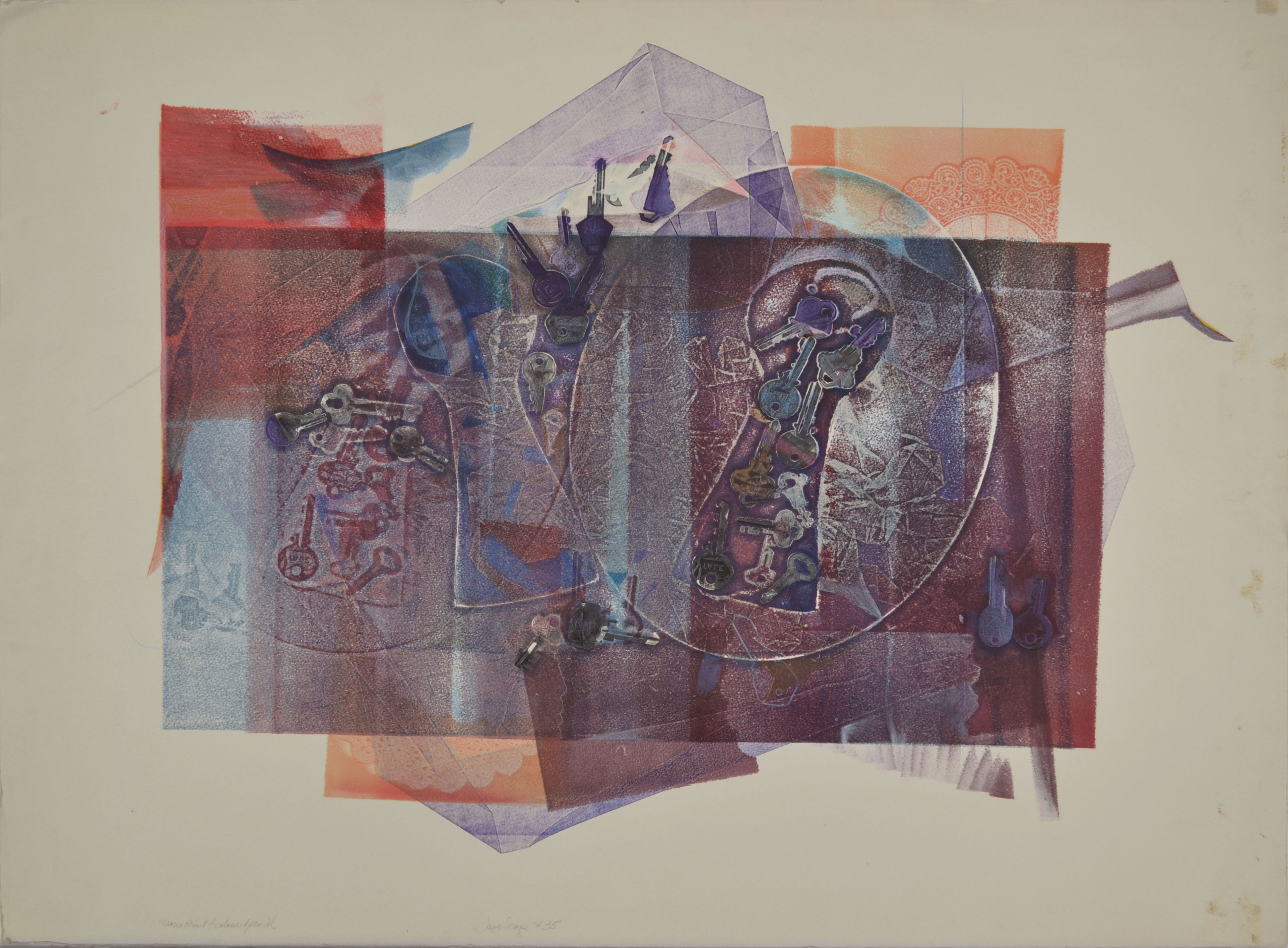
Ruth Tye McKenzie was a significant contributor to the arts in Thunder Bay, as a visual artist and as the founder of the Painted Turtle Art Shop. As a visual artist, she was best known for her paintings, etchings, and mixed media works. She regularly depicted northern Ontario landscapes, and she frequently drew and painted nudes. Her “Nudescapes” series combined these subjects, with human figures incorporated into the boreal landscape.
Superior Shore, Nudescape series (Lakehead University Archives, LU21) Working in Thunder Bay since 1976, McKenzie became aware of limited options for purchasing high quality art supplies in the region. In 1983 she opened the Painted Turtle Art Shop. The store quickly became an important site in the Thunder Bay arts community and continues to operate today under new owners. She won the first Thunder Bay Regional Arts Council Award to Business in 1986 for The Painted Turtle’s contribution to the local arts community. In 2017, McKenzie was presented with the Lifetime Achievement award at the City of Thunder Bay's Arts and Heritage Awards. She passed away in January 2023. Tape-scape 35 (Lakehead University Archives, LU394) References: “Ruth Tye McKenzie”. https://theag.ca/ruth-tye-mckenzie/ Thunder Bay Art Gallery “Ruth McKenzie Obituary (2023) – The Thunder Bay Chronicle Journal”. Legacy.com. Ruth Tye McKenzie, “LVA artist Ruth Tye McKenzie,” Archives & Digital Collections at Lakehead University Library, accessed September 17, 2025, https://digitalcollections.lakeheadu.ca/items/show/3284. |
| Gwen O'Reilly |
|
“We discover a need and then figure out how we can address it, whether that’s by going after decision makers or inventing something of our own.” (Gwen O’Reilly, Forty Fabulous Feminists)
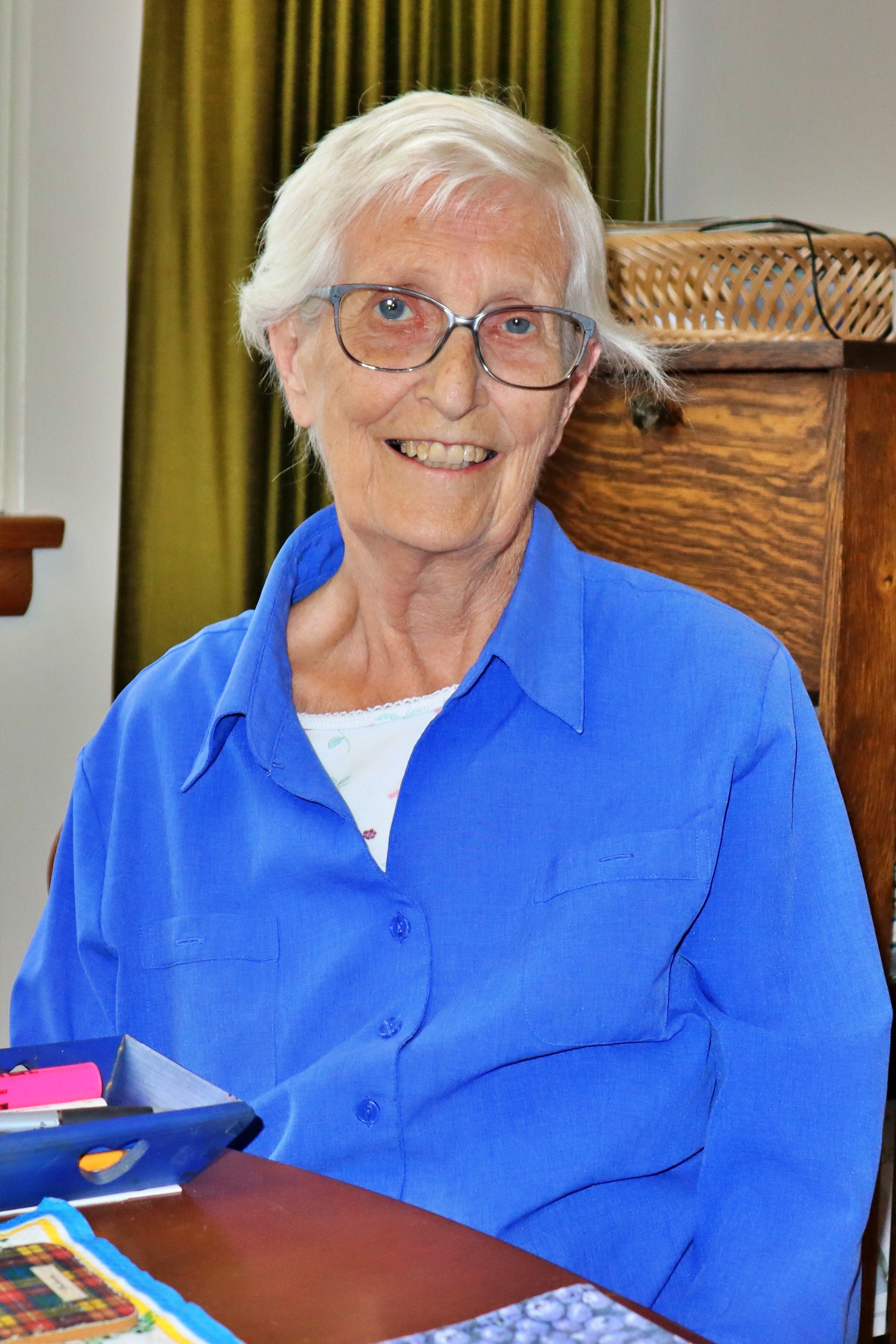
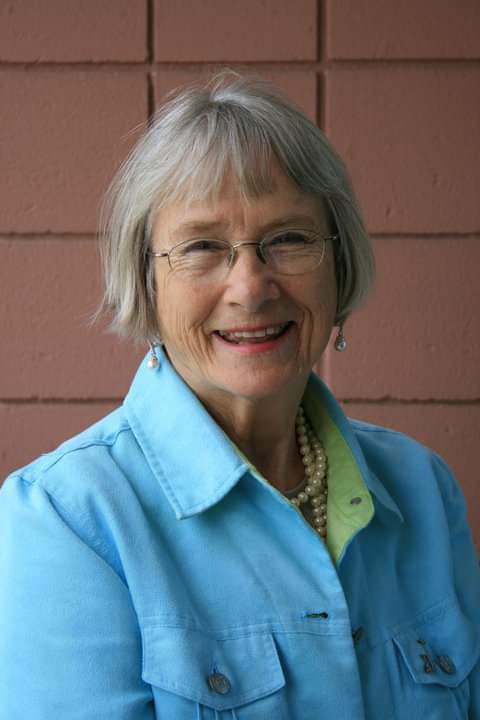
Gwen is a determined and compassionate leader in the women’s community of Thunder Bay and northwestern Ontario. Her focus is on creating meaningful change in the institutional response to violence against women, addressing the impacts of systemic racism and sexism, and emphasizing access to justice for all women. Gwen was accepted into the HBSc Forestry program at Lakehead University in 1977, one of less than 10 women in a class of over 100. While at Lakehead, she helped start its first women’s centre. She continued on to the graduate program in Forest Ecology and Genetics, then spent six years as a Forestry Research Associate. “Fieldwork confirmed her love of the boreal forest. Forestry confirmed her understanding of sexism and homophobia.” (Lakehead University Convocation Program, 2019) Gwen started her public education career giving workshops on homophobia. In the 1980s, she wrote articles for the Northern Woman Journal, was involved in organizing a lesbian support group, and volunteered as an on-air host on the local cable TV show, Thunder Gay Magazine. She joined the board of the Northern Women’s Centre in 1984. That same year, she helped organize Interweave, the first provincial meeting of women’s centres. Gwen has served as the director of the Northwestern Ontario Women’s Centre (NOWC) since 1991. She has also been a long-time active member on the Thunder Bay and District Coordinating Committee to End Women Abuse, and remains connected to cross-provincial advocacy efforts against gender-based violence. In recent years, she helped lead the effort to have Thunder Bay City Council declare gender-based violence an epidemic.
Gwen O'Reilly speaking at City Council In the late 1980s, Gwen became involved in organic farming. She attended farming conferences, and served on the editorial committee of Canadian Organic Growers and wrote many articles for their national magazine. Her interest in food production and her passion for justice led her to connect with the then Food Action Network, where she helped develop the Thunder Bay Food Charter along with other efforts, including the Good Food Box Program, aimed to create food security for all in Thunder Bay. She was a founding member of the Thunder Bay and Area Food Strategy and continues to serve as a board member on its newly incorporated version, the Food Action Network NWO. She sees the Thunder Bay Good Food Box Program, which she has administered since 2005, as one of her proudest accomplishments.
Gwen O'Reilly, Good Food Box program In 2019, Gwen was awarded an Honorary Doctorate of Laws by Lakehead University and gave a keynote address at convocation. More recently, she was presented with King Charles III’s Coronation Medal, an honour created to recognize individuals who have demonstrated outstanding service and excellence within their communities. She credits the inspiring stories thousands of women have shared with her over the years as motivation for her work and the reason she remains hopeful.
References: Convocation Program, 2019, Lakehead University. Forty Fabulous Feminists in Northwestern Ontario, 2013, published to celebrate NWOC’s 40 anniversary. Gwen O’Reilly, based on an interview with PhebeAnn Wolframe, pages 64-67. |

 Gwen O'Reilly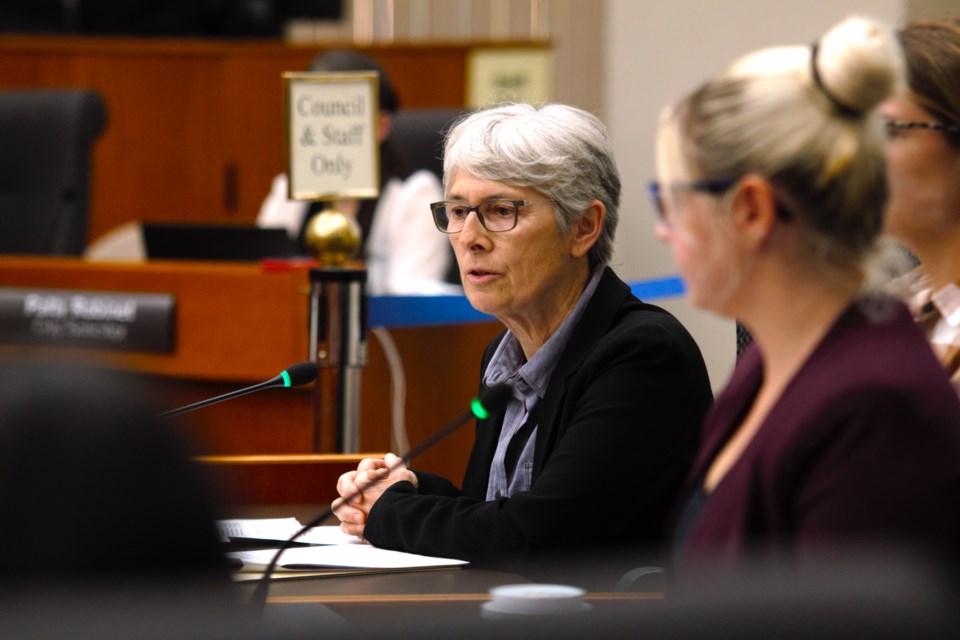

2024 Women's History Month
| Dorothy Mary Pickup |
|
Dorothy Mary Pickup
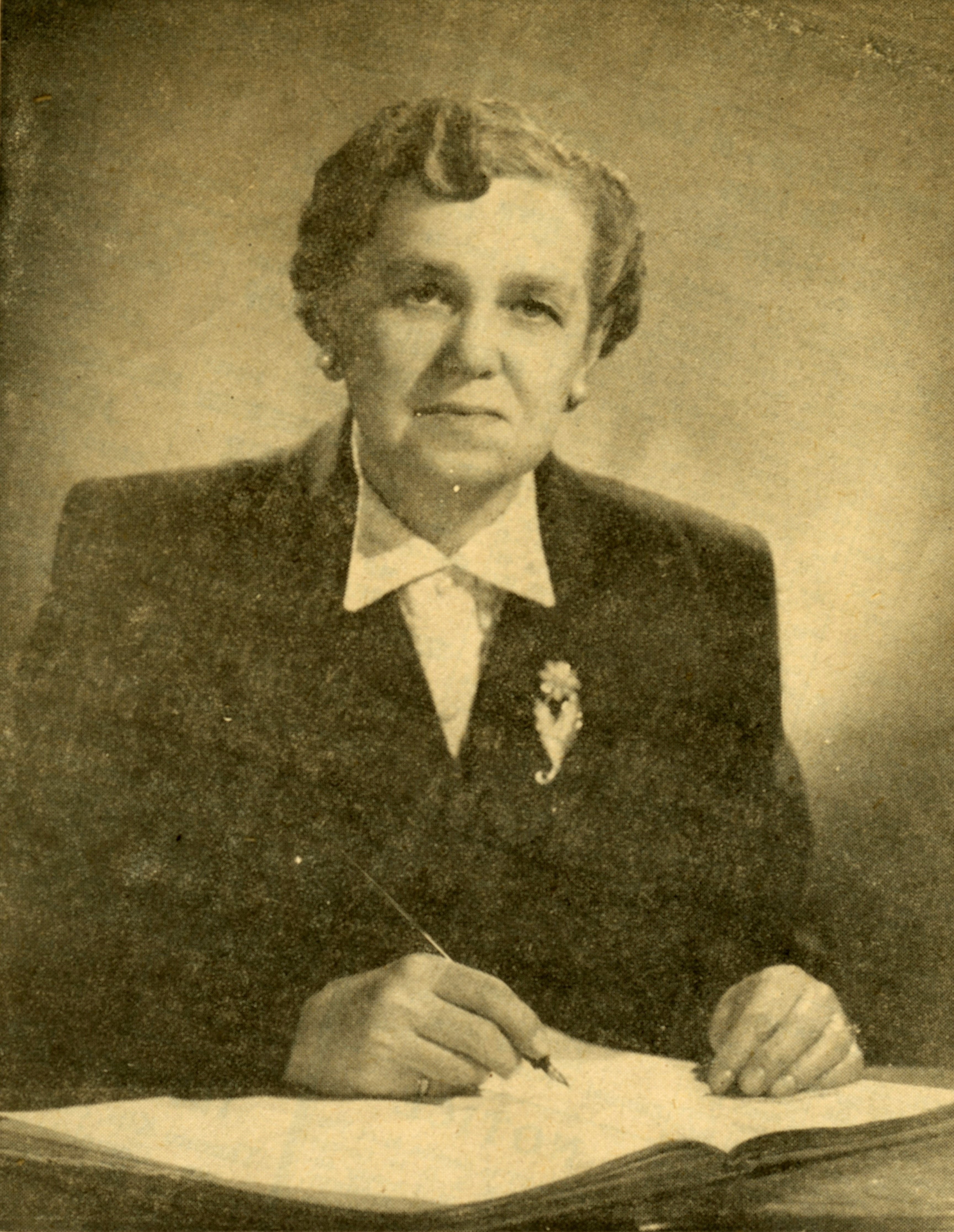
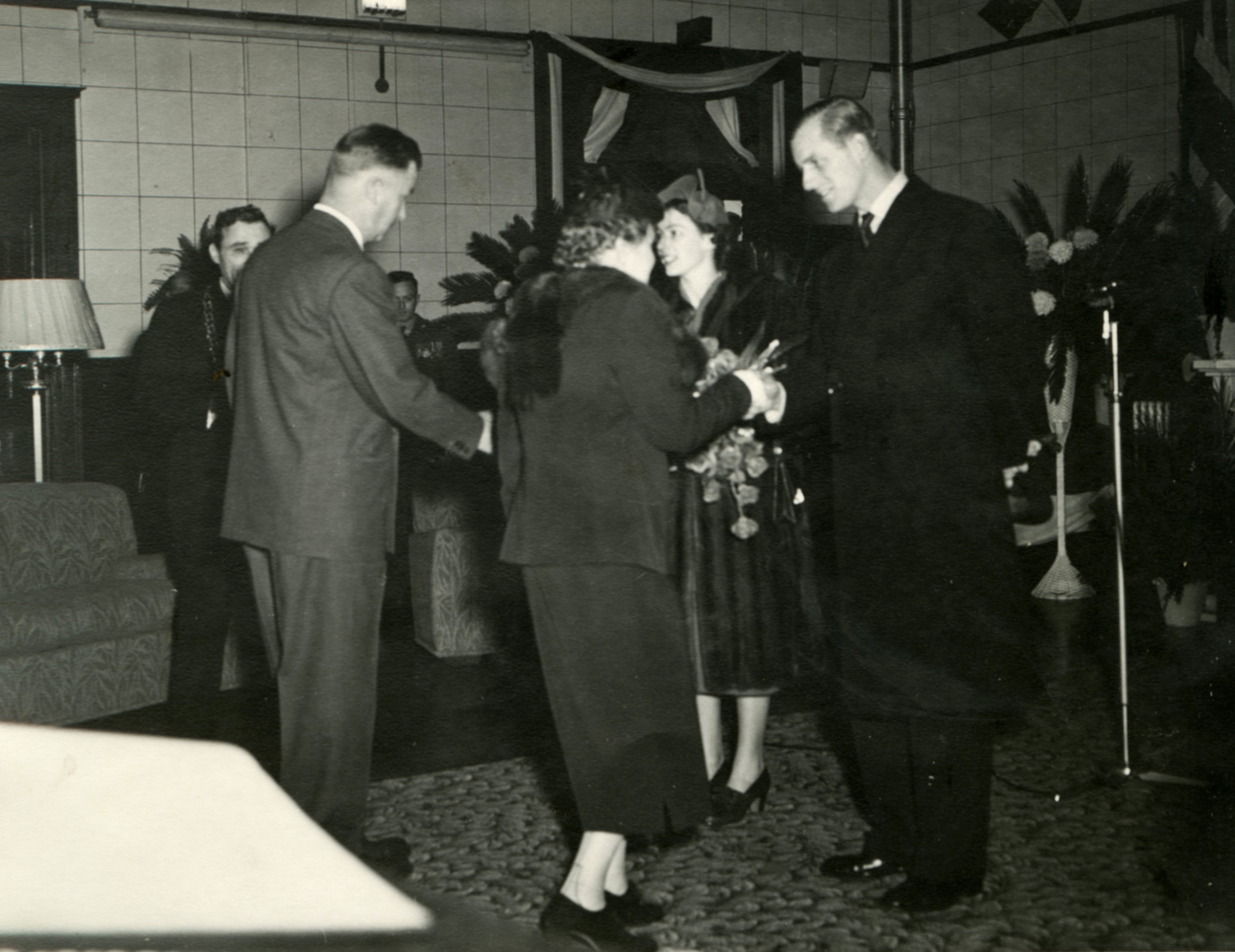
In 1951, Dorothy Mary Pickup was elected as an alderman for Fort William City Council and made history by being Fort William’s first-ever alderwoman. Influenced by the success of Eunice Wishart, the first female mayor of Port Arthur, Dorothy Mary Pickup decided to run for alderman at the age of 60, earning 3,765 votes, the most out of the three newly elected aldermen. Mrs. Pickup was modest about her election, it being her long-time belief that women should have some say in civic affairs. In addition to this lifelong belief, Dorothy Mary Pickup’s many accomplishments throughout her life made her a desirable choice for alderman. Educated at the Toronto Conservatory of Music, she was a piano teacher for some time before her marriage. During this time, she was a part of many boards and councils that were striving for women’s rights and was the president of the Women’s Canadian Club, the West Algoma Council of Women, and the Superior Presbyterial of the United Church. While she was on her honeymoon in England with her army doctor husband during the first World War, she also worked in an army medical supplies depot and the Canadian Estates Office. Of all her accomplishments she stated that the one she was most proud of was raising her two children, but when both had grown up and gone to college, she felt it was her civic duty to make a contribution to the community on City Council. Dorothy Pickup was very busy during her time as alderman. In her first year alone, she had perfect attendance to all council meetings and was chosen to be the acting mayor while Mayor Badani was out of town at a two-day hydro conference in Sioux Lookout. She also was on the four-person committee preparing the city for the royal visit from Queen (then Princess) Elizabeth and Prince Phillip. After a successful eight-year run on council from 1951-1958, Dorothy Pickup enjoyed a well-deserved retirement at her home in Fort William before moving to Alexandria, Ontario in 1962. She passed away March 18, 1968, in Alexandria at the age of 77.
Dorothy Mary Pickup shaking hands with Princess and Prince. |
| Jean Morrison |
|
Jean Morrison
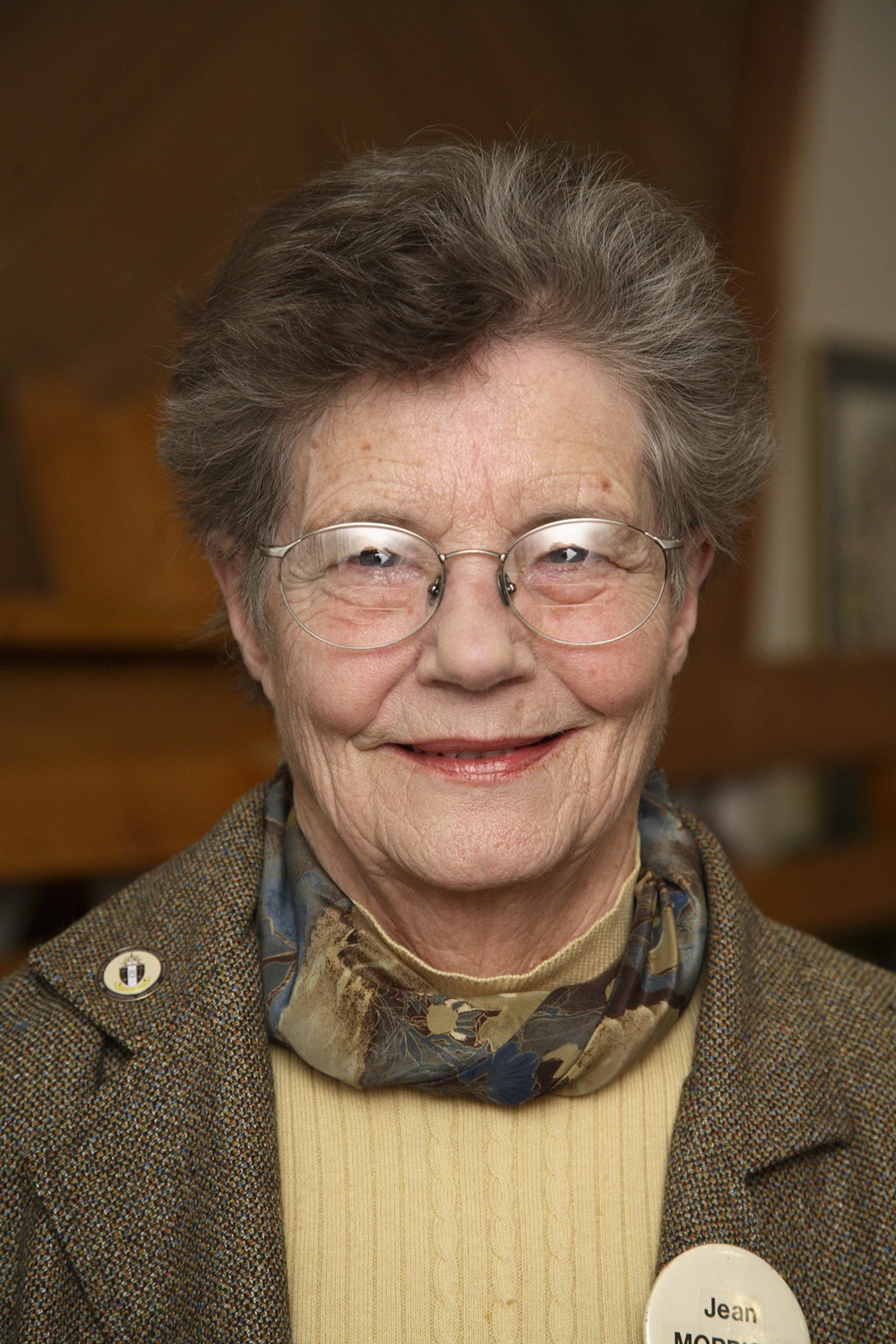
Jean Morrison was an accomplished historian of Northwestern Ontario’s history whose impact on our understanding of this region's storied past is still felt to this day. Born Jean Case in Sault Ste. Marie, Jean lived in various places across Ontario in her early life before moving to Thunder Bay in 1966. She married Ken Morrison in 1948, shortly after graduating from the University of Toronto with a Bachelor of Arts degree. In 1974 Jean became the first woman to receive a Master of Arts degree in History from Lakehead University, with a thesis focusing on the history of the industrial working class at the Lakehead in the early 20th century. For much of her career, she served as the research historian at Fort William Historical Park, from 1975 until her retirement in 1990, after which the library there was named in her honour as “The Jean Morrison Canadian Fur Trade Library”. During her tenure this resource became one of the largest repositories of material related to the North American fur trade and the North West Company. This important research serves as the foundation for interpretive presentations and educational programs that continue to impress thousands of visitors to Fort William Historical Park today. Among her notable publications are Superior Rendezvous Place: Fort William in the Canadian Fur Trade (2001), Lake Superior to Rainy Lake: Three Centuries of Fur Trade History (2003) and Labour Pains: Thunder Bay’s Working Class in Canada’s Wheat Boom Era (2009). For the latter, she was awarded the Ontario Historical Society’s J.J. Talman Award, which honours the best book on Ontario’s social, economic, political, or cultural history. She has also twice received the Thunder Bay Historical Museum Society’s Elizabeth Arthur Award for full-length scholarly works. The Thunder Bay Historical Museum Society's archives (A107) contain a collection of Jean’s personal records relating to her life and career. Submitted jointly by the Thunder Bay Museum and Fort William Historical Park |
| Mildred Jane Foster |

Mildred Jane (Millie) Foster
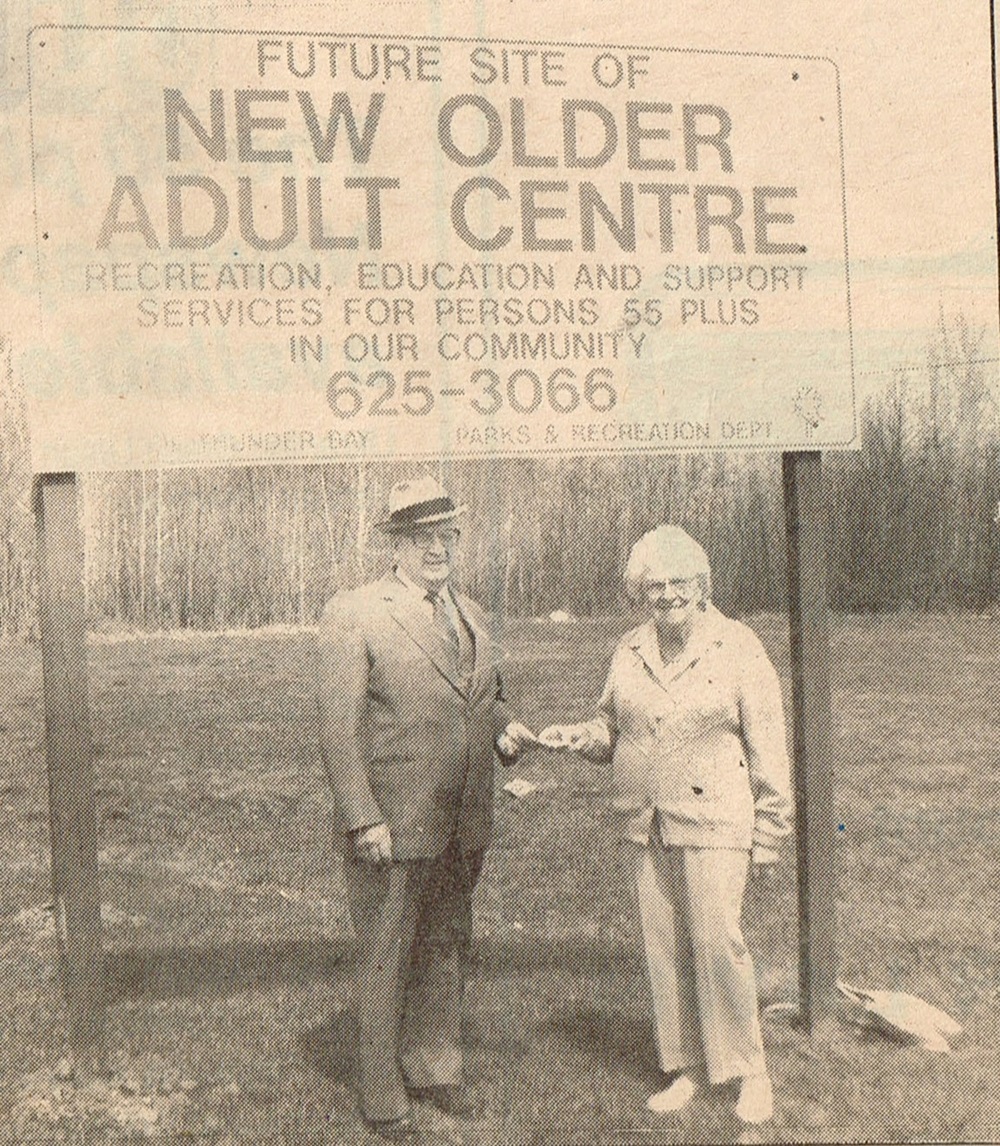
Mildred Jane Foster (nee Hutchins), or Millie as she was better known, was born in Fort William, attending Drew Street School and Fort William Collegiate in what is now the Thunder Bay South Side. She met her future husband Bertrand Arthur Foster in 1932, marrying in January 1938 just before the outbreak of World War II. While he went overseas, Millie worked as many women did during the war, first at Chapples Department Store and later Canadian Car and Foundry (Can Car), in their offices. In the 1960s, she began attending the senior centre situated in what was once the Benger Block on Red River Road, now the location of the provincial government building. However, in 1962 Ontario passed legislation which altered funding to old-age community facilities: 50% of their costs were to be paid by seniors or raised from other sources, with only partial funding from the government. Over time this led to increasing instability and forced the centre to move repeatedly. Millie and others responded with a donation drive and outreach campaign, connecting with major corporations and offices, many of which Millie had either worked in or knew personally. With charm and perseverance, she helped generate interest and funds to eventually establish what is now the 55 Plus Centre on River Street, which opened in September 1991. Millie has been recognized for this achievement and others, but her two most significant awards are the Paul Harris Fellow Award in 1992 (Rotary Foundation), and the Province of Ontario’s International Year of Older Persons award in 1999. She was active in her community in many other ways, including being a member of the Greenstone Rebekah women’s lodge since 1932 and later in life serving on the CKPR-TV Advisory Council from 1985 to 1998. Millie and Bertrand had four children and celebrated their 60th anniversary in 1998. Though Millie passed away in January of 2009 at the age of 95, her legacy of principled charity and goodwill will be remembered for much longer.
Mildred Jane Foster at Future Site of 55 Plus Centre |
| Lynda McKeown |
|
Lynda McKeown
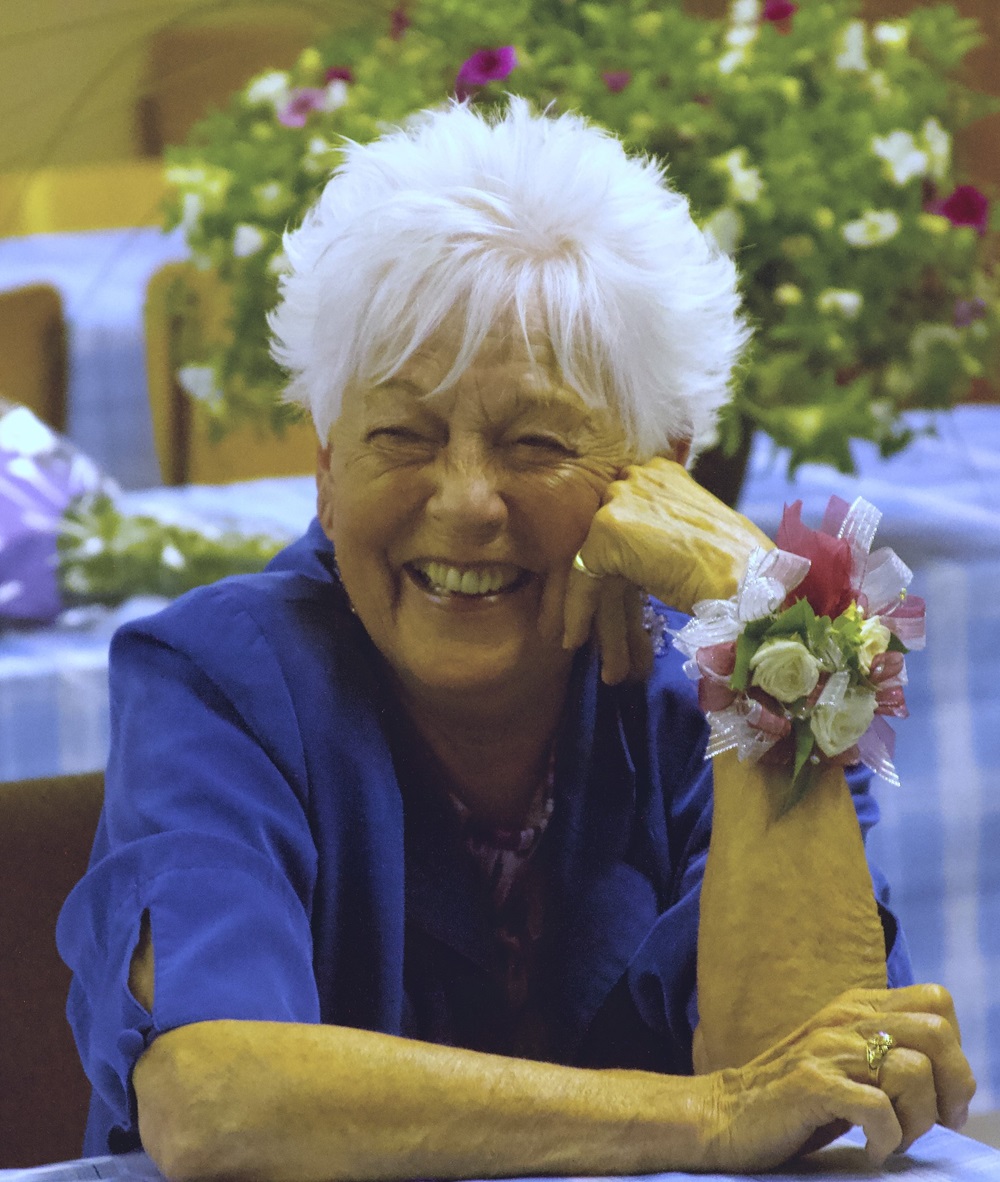
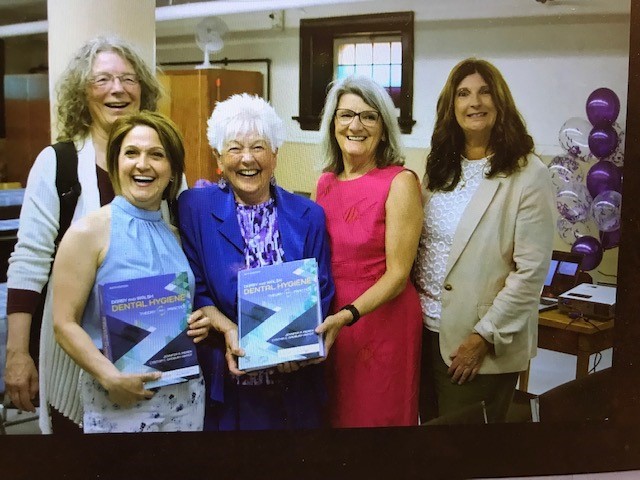
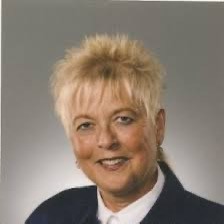
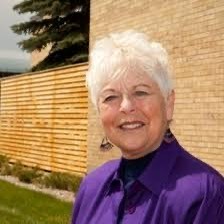
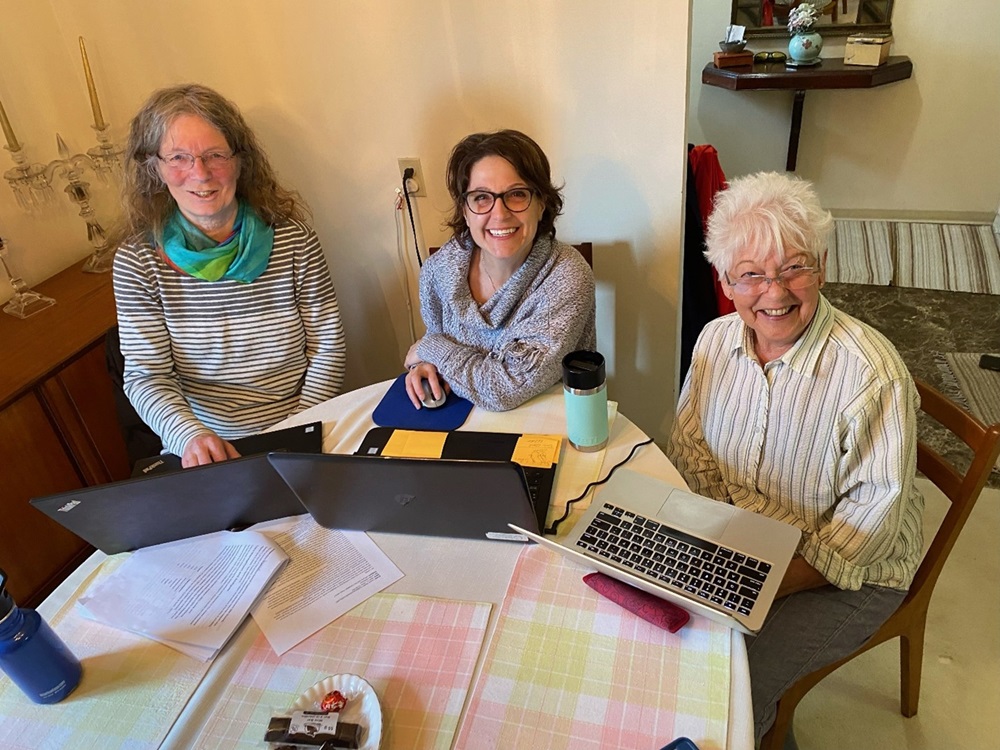
Lynda McKeown has practiced dental hygiene for 60 years, during which time she has advocated for improved oral health for the citizens of Thunder Bay. After graduating from the University of Toronto, Faculty of Dentistry she began her practice as the first dental hygienist in what is now Thunder Bay in 1964. She served as part-time faculty at Confederation College while providing periodontal care for a group of dentists. Her professional work also included Thunder Bay District Heath unit, Fluoride Varnish research, and clinician and researcher at the Breath Odour Clinic. Lynda has influenced oral health organizations from the local to the international by participating in and producing research, contributing to professional publications, and serving on professional boards and organizations. Since 1972, Lynda has inspired students at Confederation College’s Dental Hygiene program through her service as one of the program’s first faculty members, both teaching courses and acting as a clinical demonstrator. While working full time, Lynda enrolled at Lakehead University and earned an Honours Bachelor of Arts in Philosophy, with a minor in Occupational Ethics (1992). Later, she returned full time to earn a Master of Arts in Sociology (1995). With her new knowledge she developed a pioneering Confederation College course that applied sociology theory to Dental Hygiene practice in communities. Lynda has been instrumental in the ongoing success of oral health organizations in Thunder Bay. She is a founding member of the Thunder Bay Dental Hygienists Society and brought forward the needs of local professionals as a board member for the Ontario Dental Hygienists Association. She was also the President of the Canadian Dental Hygienists Association and has been honoured with a Life Membership from all three organizations. Lynda, along with other government appointees to the Transitional Council of the College of Dental Hygienists of Ontario (CDHO), piloted the development of dental hygiene self regulation. She was elected and served as the First President of CDHO. The philosophy of her practice has centred in ongoing care for clients. After completing her MA, Lynda decided to bring professional dental hygiene care to persons without access to a dentist office, those in private homes, and long-term care facilities in Thunder Bay. This choice started her passion to improve oral care in LTCHs, as dental hygienists contribute to oral/dental health through all ages and abilities. Her present work involves establishing the relationship between increased frailties and need for professional dental hygiene care to maintain oral health. Frailties may directly or indirectly affect the health of the mouth and may determine the choice of dental hygiene therapies. Cognitive and physical frailties, for instance, affect a person's independence and ability to self care. She was asked if she would revise the chapter 'palliative care' for the 6th edition of “Darby and Walsh Dental Hygiene: Theory and Practice”. Coauthoring with equally passionate local oral health advocates, they introduced in chapter 52 "Palliative Dental Hygiene Oral Health Care", being “the concept of providing compassion, support, and care for persons’ oral health as they progress through their chronic illness and disability so that they may live as fully and comfortably as possible until the end-of-life." Lynda’s initiatives have helped improve clients’ journey to the end of their lives. Her ‘Mission of the Mouth’ stands as a constant reminder of the importance of oral health to overall health. Lynda will be remembered in Thunder Bay as a pioneering dental hygienist, advocate, and activist for public oral health.
|
2023 Women's History Month
| Eva Maude Powley |
|
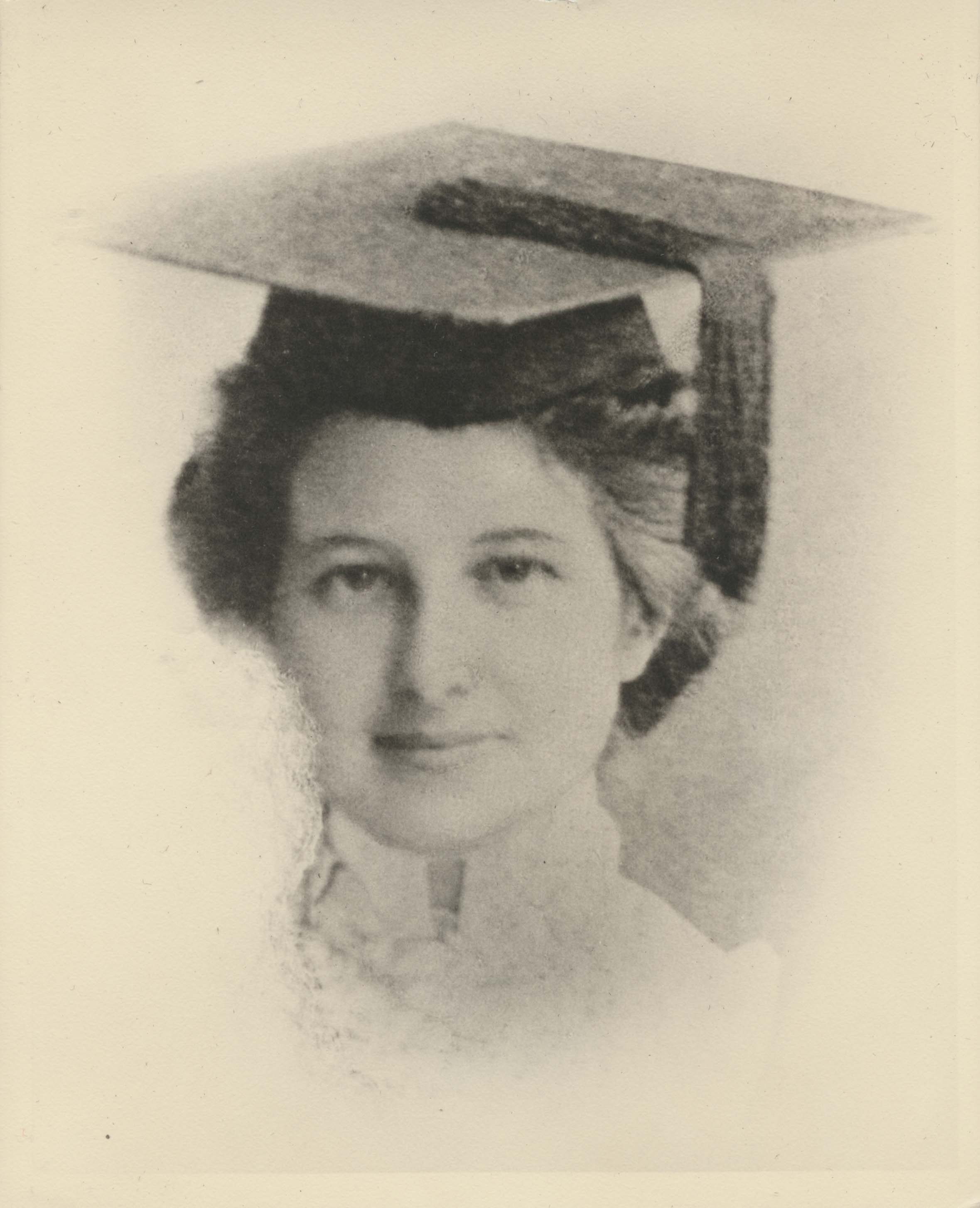
Eva Maude Powley of Port Arthur was called to the Bar of Upper Canada (Ontario) on June 24, 1902, becoming only the second woman in Canada to achieve this distinction. Eva was born to William and Margaret Powley of Port Arthur in 1875, one of six girls. She excelled academically from an early age and attended St. Hilda’s College, the Women’s residential college at Trinity University in Toronto. She began to study law in 1897, and in 1900 when she passed the examination for barrister and solicitor it was observed that she was “the first person in Canada to take both the University and the Osgoode Hall (law) course together.” In June 1902 she was called to the bar, becoming the second woman in Canada to do so. The first had been Toronto’s Clara Brett Martin (1874-1923) in 1897, after successfully challenging existing legislation in Ontario that only allowed men to be admitted into the profession. Returning to Port Arthur, Powley practiced law in the firm of Keefer & Keefer (later Keefer, Keefer & Towers). She was active in Port Arthur’s social life and had a house built for her on Royston Court. However, in 1913 she resigned from the firm for reasons unknown, never to practice law again. Shortly after she sailed for Europe aboard the RMS Empress of Ireland. By 1917 Powley had returned to Canada, as she is noted in local newspapers as having christened the Uglestad, a freighter built by the Port Arthur Shipbuilding Company. Shortly after she moved to Winnipeg where she worked in the coal industry, quickly rising to management roles. Eva passed away there in 1969, and is buried in the Powley family plot at Thunder Bay's Riverside Cemetery.
Submitted by The Thunder Bay Historical Museum Society Adapted from ‘Powley became lawyer in 1902’ by Meghan Dunn, 29 November 2015, from the Thunder Bay Museum’s Looking Back series in the Thunder Bay Chronicle-Journal. Other sources used:
|
| Rosies of the North Project |

Rosies of the North website homepage
During World War II, hundreds of women began working at the Canadian Car and Foundry (CanCar) plant in Fort William. They comprised up to half of those 7,000 employed at CanCar, which previously had an all-male workforce. These women, known as Rosies, came from all over Canada to join in the war effort by building Hawker Hurricanes and Curtiss Helldivers. Their efforts, and the consequences their workforce participation had on Canadian society, are documented in the Rosies of the North project, both as a film and now a website. The project began with the research phase of Kelly Saxberg’s “Rosies of the North” film, which took place between 1997 and 1999. In 1999, Bombardier donated hundreds of photos and employee records of the Rosies to the Friends of the Finnish Labour Temple. These records, alongside interviews, became the basis for a narrative of exceptional women in the region. The film showcases the contributions of women made at the Canadian Car and Foundry (CanCar) plant in Fort William during the Second World War. In this documentary, Saxberg interviewed numerous women who worked at the Fort William CanCar plant during WWII, where they shared their experiences and memories of working there. Rhoda McKay, one CanCar worker, explained how “I started in the assembly line, and it was riveting and drilling holes and stuff like that.” Another woman who worked at the CanCar plant, Margaret Gandier, commented, “I think that this experience of living away from home and working at CanCar certainly matured us.” In 2022, as part of the Rosies of the North project, Saxberg's team of students, graduates, and volunteers created a website to bring to life the work these women did. The website is interactive, using audio interview recordings, photographs, employee records, newspapers, and other archival materials offer insight into everyday life of the Rosies at the CanCar plant. The biographies page showcases some of CanCar’s finest workers, including Isabella Spicer, Glenus Lenore Johnson, Rose Alice Louise Bernst, Mildred Main, Nellie Venasky, and many more. Submitted by: Bryson Irvine on behalf of the Rosies of the North Project
|
| Northwestern Ontario Women's Centre |

NOWC Staff, April 2023
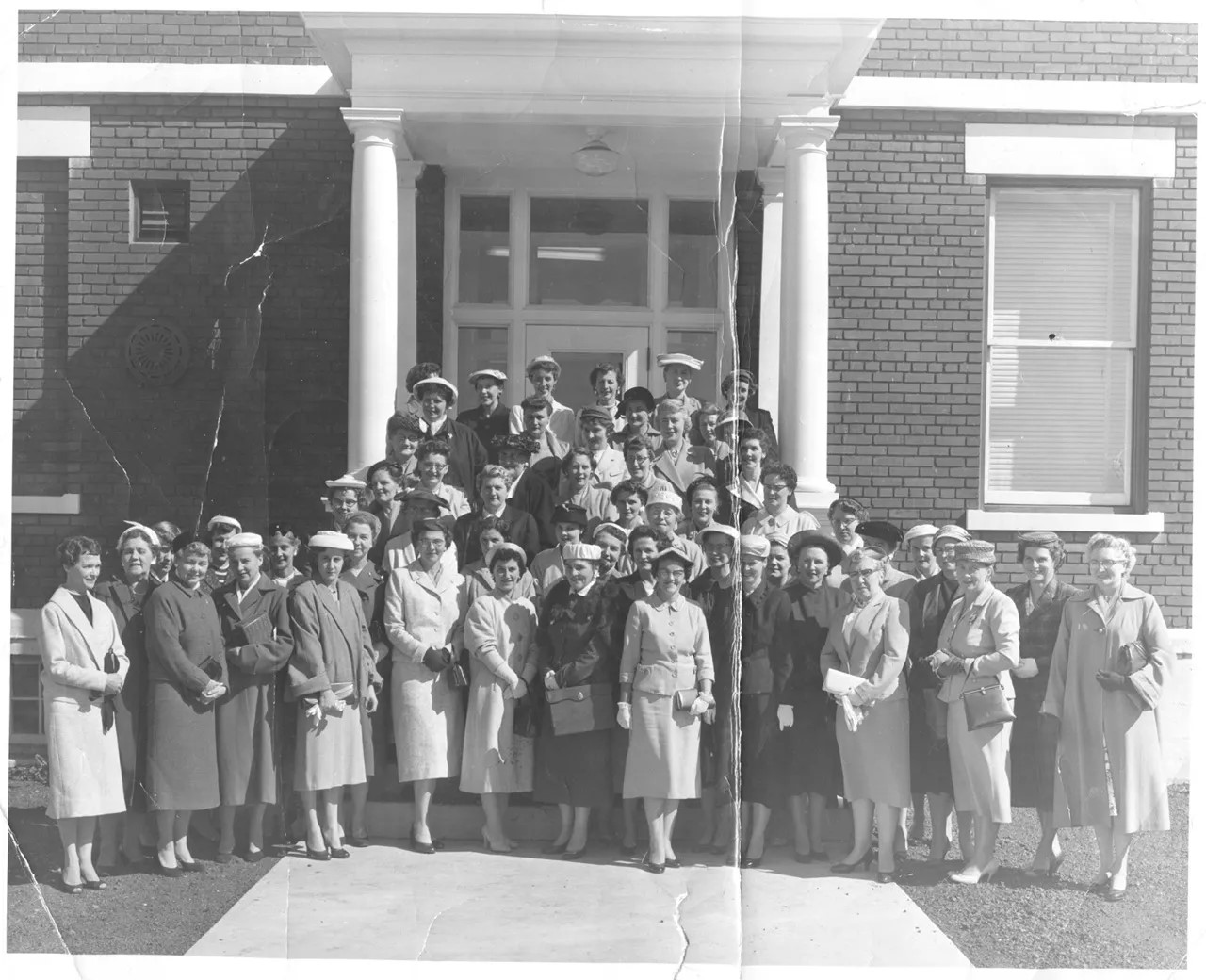
The Northwestern Ontario Women’s Centre (NOWC) has championed access to justice for women in Thunder Bay and District since 1973, providing advocacy, support, training, and legal education on gender-based violence, poverty, and the human rights of women and children. They assist women and gender-diverse people to navigate concerns of violence, poverty, human rights, and systemic legal or administrative barriers. Their mandate also includes public presentations on modern legal and social issues facing women from a feminist perspective, to bring their voices forward in action and advocacy efforts. Founded in Thunder Bay in the spring of 1973 following the Northern Women’s Conference, and once known as the Northern Women’s Centre, multiple groups and projects have originated from the collective organizing efforts of the NOWC. Initiatives that originated within or stemmed from the NOWC include:
From participating in attempts to amend the federal Divorce Act laws to leading collaborative responses to gender-based and intimate partner violence, the NOWC is a feminist leader in coordinating action with allied groups and furthering equity and safety. Since inception, NOWC has recognized the need to address sexism and racism and provide a positive space for 2SLGBTQ+ people. The NOWC learns from and works alongside Indigenous and other equality-seeking organizations, partnering to serve self-identified women, Two Spirit and non-binary people of all ages, ethnicities, cultures, abilities, orientations, citizenship status and income levels. Their efforts to connect and empower local women is embodied in their community-engaged arts projects, including ‘Honouring Our Stories’ and ‘the Art of Resistance’, and other self-published works which include manuals and biographies1. Recognizing their 50th anniversary in 2023, the NOWC continues to engage in community outreach, craftivism, public education efforts, to promote systemic change, and to provide a safe space for all self-identified women to gather, share creative strategies, and be their own best advocates.
Northern Women's Conference, 1973 Submitted by the Northwestern Ontario Women's Centre Citations 1: 40 Fabulous Feminists & Amazing Activists of NWO, 2016 (available at Thunder Bay Public Library) Learn more about past and current projects and programs on NOWC's websites: nwowomenscentre.org, actiontoanalysisgbv.org and GoodFoodBoxtb.org. |
| Lisa Laco |

Lisa Laco
When Lisa Laco came to Thunder Bay, the city would be forever changed. Lisa was born and raised in Corner Brook, Newfoundland and started her CBC career there. But when she came to Thunder Bay in 1992, Lisa Laco found a new home, and the city had gained a new champion. Lisa came to CBC Thunder Bay to take the helm of the morning show as a producer, but it was not long before Thunder Bay was happily waking to her voice. She was a popular host and respected journalist. Lisa was tireless in her efforts to bring important stories to light, and to give a voice to the people who should tell them. But she was also tireless in her efforts to celebrate the good – bringing people hope, happiness, and laughter. Over Lisa’s 25 years hosting at CBC Thunder Bay, she interviewed thousands of people from all walks of life, pulling together the threads of our city and region, helping to weave the fabric of where we live. Listeners heard her compassion and understanding as she helped people share their stories of challenge or success. Yet she also asked the tough questions to hold people, groups, or government to account. Lisa shone a light on Thunder Bay's challenges and weaknesses, as well as the city’s strengths and triumphs. She inspired many to sit up, listen, and take action. But it was much more than on-air accomplishments that made Lisa Laco a champion for Thunder Bay. Lisa participated in a range of projects with many organizations, whether it was a charity calendar, a library event, or moderating a municipal debate. In 2018, she received a Good Citizen Award from the City of Thunder Bay. It highlighted her work as a host and event emcee for several organizations over the years – including the Regional Food Distribution Association, Thunder Bay Victim Services, the Salvation Army, Thunder Bay Art Gallery, and Raag Rung Music Circle. The awards program stated, "Lisa is a very compassionate person who uses her passion to inspire others to help make our world a better place." And the centre of Lisa’s world was Thunder Bay. This is where she met her husband of 27 years and where she happily raised her two sons. She was part of her community in so many ways – spending hours at city hockey rinks, making connections in her neighbourhood or church, and finding new places to roam with her dog. Lisa retired from hosting Superior Morning in 2020 but her passion to help was unchanged. As a strong supporter of Indigenous people and a firm believer in reconciliation, she began a bursary fund for students at Dennis Franklin Cromarty High School. She knew the strength and determination it took for students to complete their education in Thunder Bay and wanted to support the students on their journeys through life. As Lisa said when she retired: "Every life is a story. Thank you for being part of my story and thank you for sharing your stories over the years."
Lisa Laco interviewing Margaret Atwood |
| Rebecca Johnson |
|
Rebecca Johnson has spent over 40 years as a leader, advocate, mentor, and volunteer in Thunder Bay, championing issues such as gender equality, women in politics, immigration, drugs, and seniors’ care. During her time on City Council, she focused on economic development, the drug strategy, environmental stewardship, diversity and inclusion, accessibility, and age-friendly initiatives. After her husband’s death when she was 25, she took over operations of the family farm while raising four children. She then moved into positions with the Lakehead District School Board, Thunder Bay Chamber of Commerce, Northwestern Ontario Associated Chambers of Commerce, Leadership Thunder Bay, Confederation College and Thunder Bay City Council, where she served as an at-large councillor from 2003 to 2022 and became one of the City’s longest-serving councillors. Rebecca’s work has involved diverse roles with dozens of volunteer boards, organizations, and committees both within Thunder Bay and across Canada, from grass-roots community groups and business boardrooms to provincial and federal government tables. Some of the over 20 boards, organizations, and committees she has sat on include:
She also owns her own business, Rebecca Reports…for the Record, a consulting firm on Board administration and governance. She hosted the local television program “Community Clipboard” on Shaw Cable for 20 years, was a judge on “Reach for the Top” for four years, and hosts a half-hour program called Age Friendly Thunder Bay. Shaw Spotlight adds: “Rebecca Johnson has been a dedicated volunteer at Shaw Spotlight since May of 2022, where she serves as the host and producer of the popular show "Age Friendly Thunder Bay." Known for her exceptional organizational skills and preparedness, Rebecca is always ready to make a positive impact. Her friendly and approachable nature shines through as she effortlessly connects with volunteers, guests on her program, and treats them like old friends. Not only has Rebecca's show received widespread acclaim within Thunder Bay, but it also tackles important topics that resonate with our senior population, such as healthcare, finances, and community engagement. Her dedication to addressing these topics with sensitivity and insight has made her a beloved figure in the community At Spotlight, we are grateful for Rebecca's commitment and passion; everyone here thoroughly enjoys working with her.” Rebecca has been the recipient of many awards and recognitions, including the City of Thunder Bay Achievement Award, Ontario Chamber B.J. Gillespie Memorial Award, Canadian Chamber Executive of the Year Award, Ontario Chamber Executives James Gordon Carnegie Award, Her Majesty Queen Elizabeth Diamond Jubilee Medal, Chamber Honourary membership, NOACC Don Sanders Memorial Award, PARO Centre for Women’s Enterprise “Top 20 in 20 Platinum Award, and the Charles J. Carter Lifetime Business Achievement Award. In 2020 the Girl Guides of Canada honoured Rebecca with a “Silver Thanks Pin” acknowledging the commitment given to the organization as the Guiding Ambassador for over 11 years. In 2021, Age Friendly renamed their senior award the Rebecca Johnson Age Friendly Senior Award. For an extended list of Rebecca’s commitments, accomplishments, and accolades, please see the article published by Thunder Bay Business.
Rebecca Johnson participating in a Pride event at City Hall
https://www.tbnewswatch.com/local-news/johnson-ending-council-career-after-20-years-5465888 https://www.netnewsledger.com/2022/06/10/rebecca-johnson-retiring-from-politics/ http://www.thunderbaybusiness.ca/rebecca-johnson-to-retire-from
|
 Eva Maude Powley
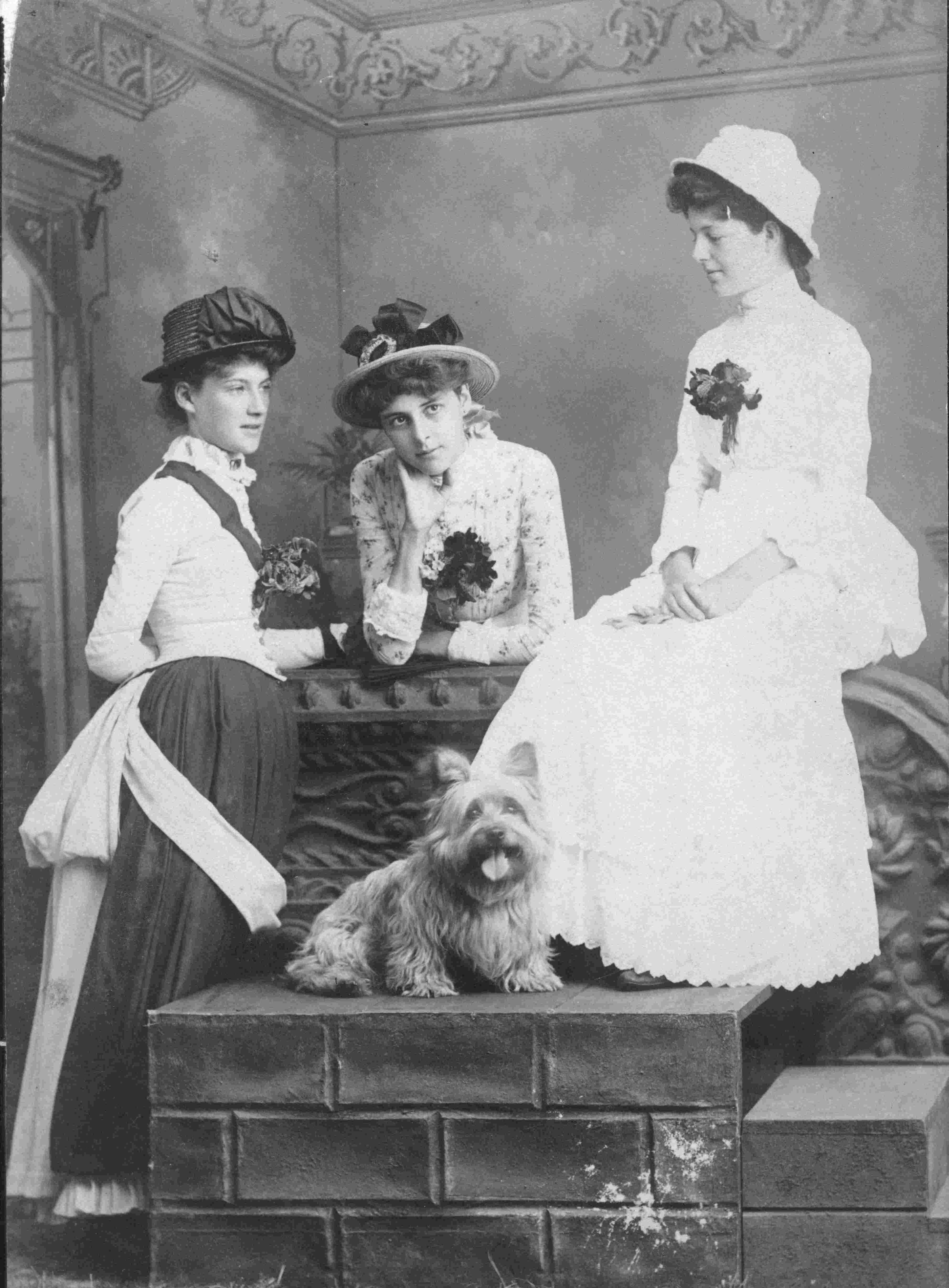 Eva Maude Powley with her sisters and dog.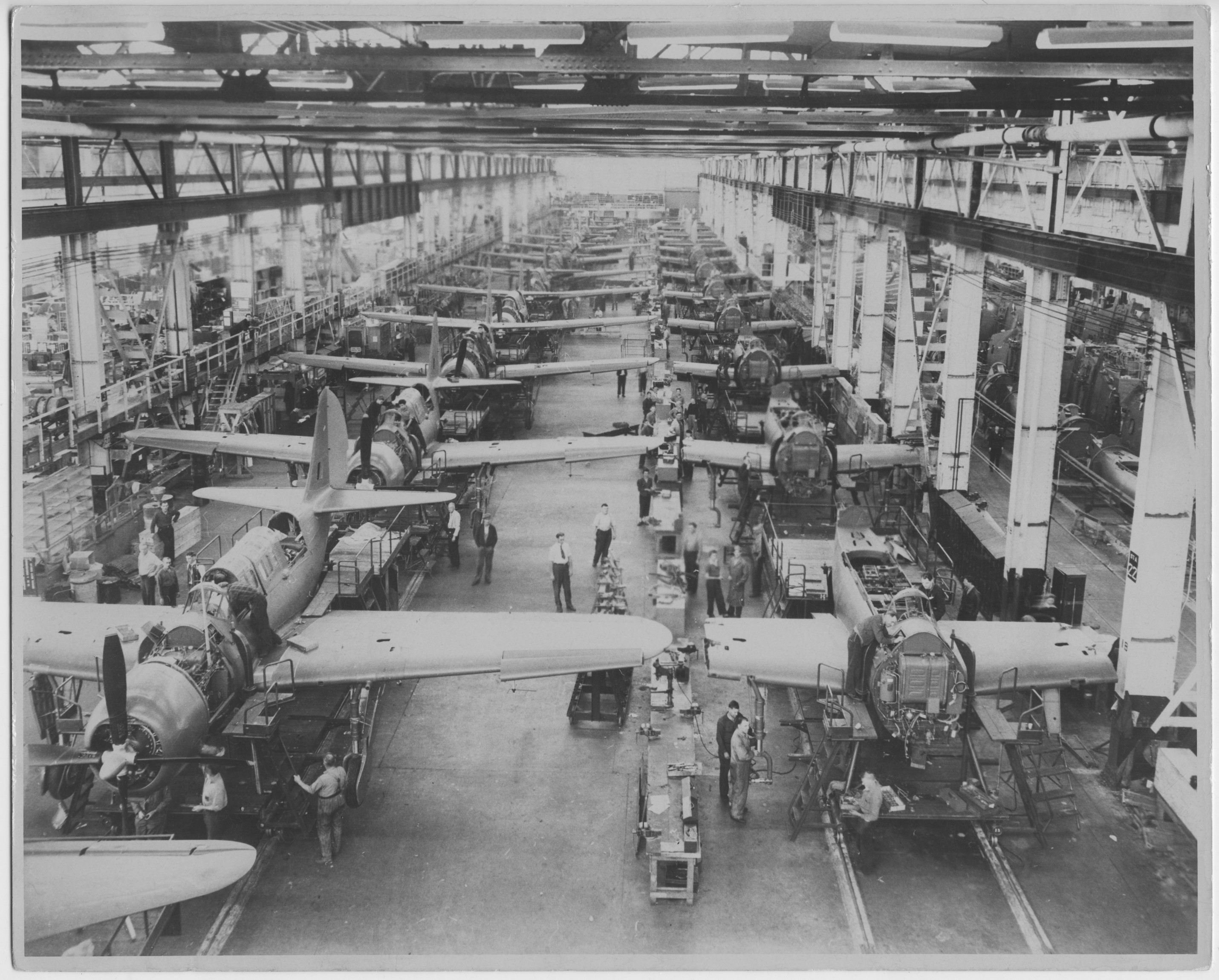
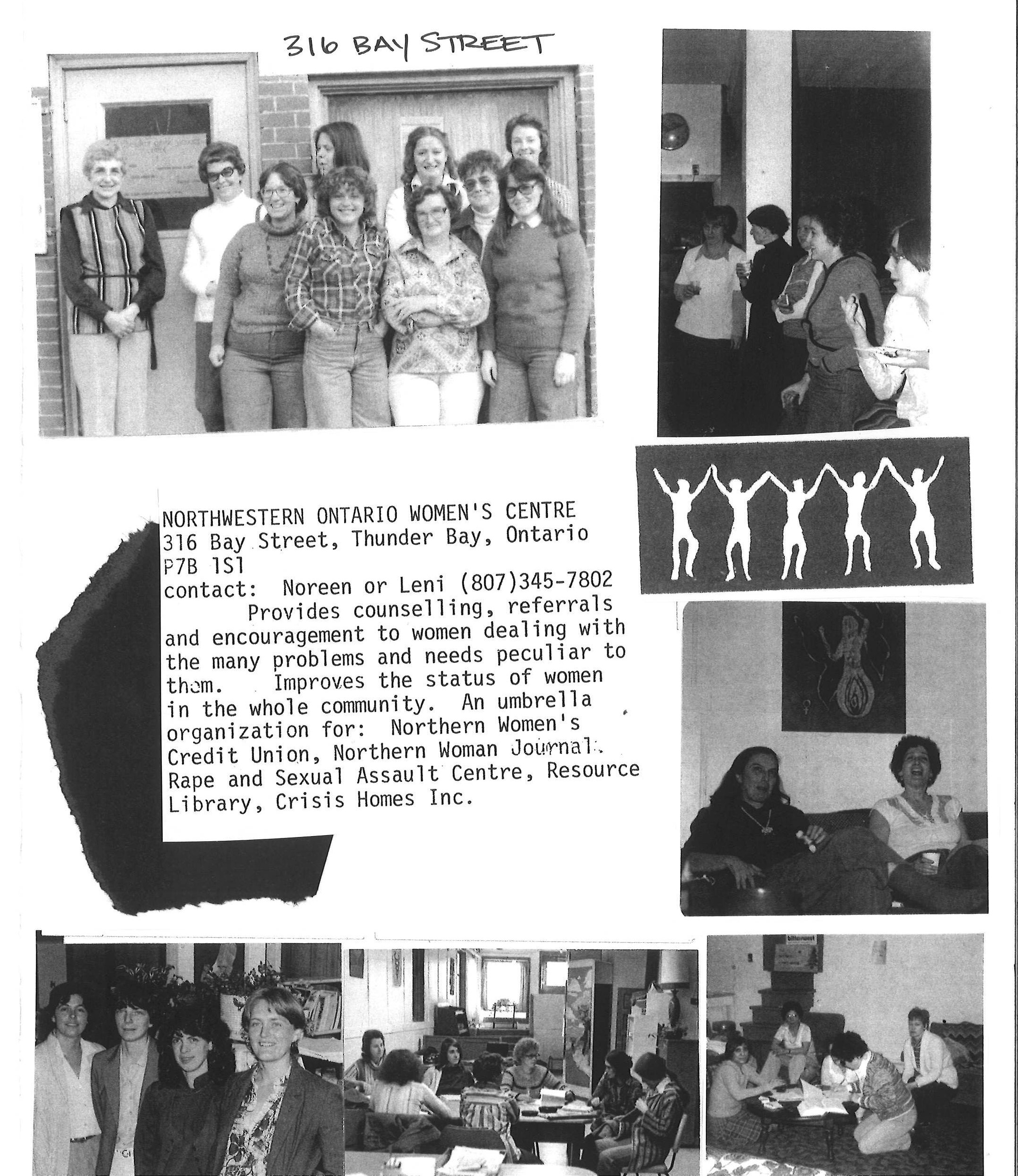 316 Bay Street, 1970s Location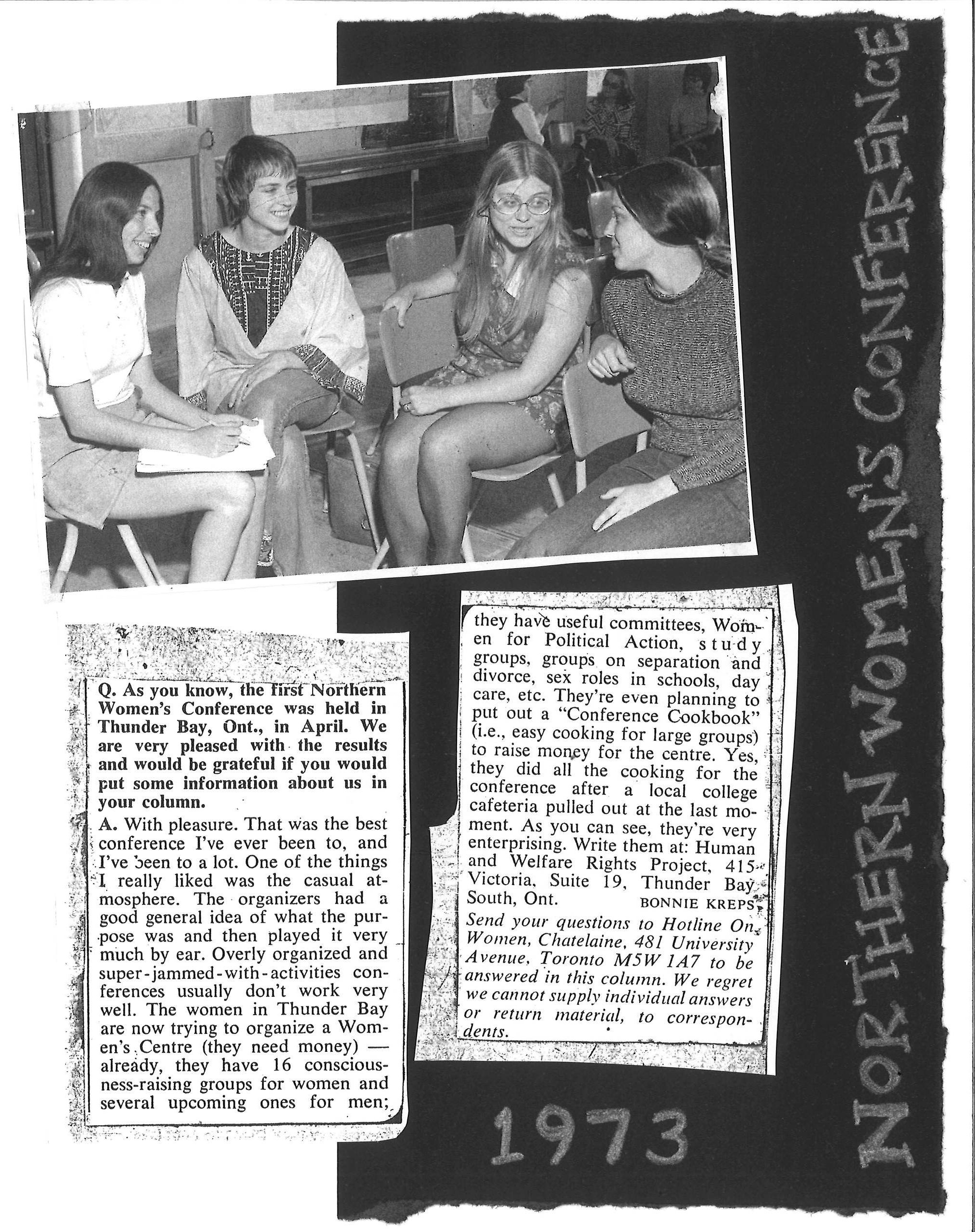

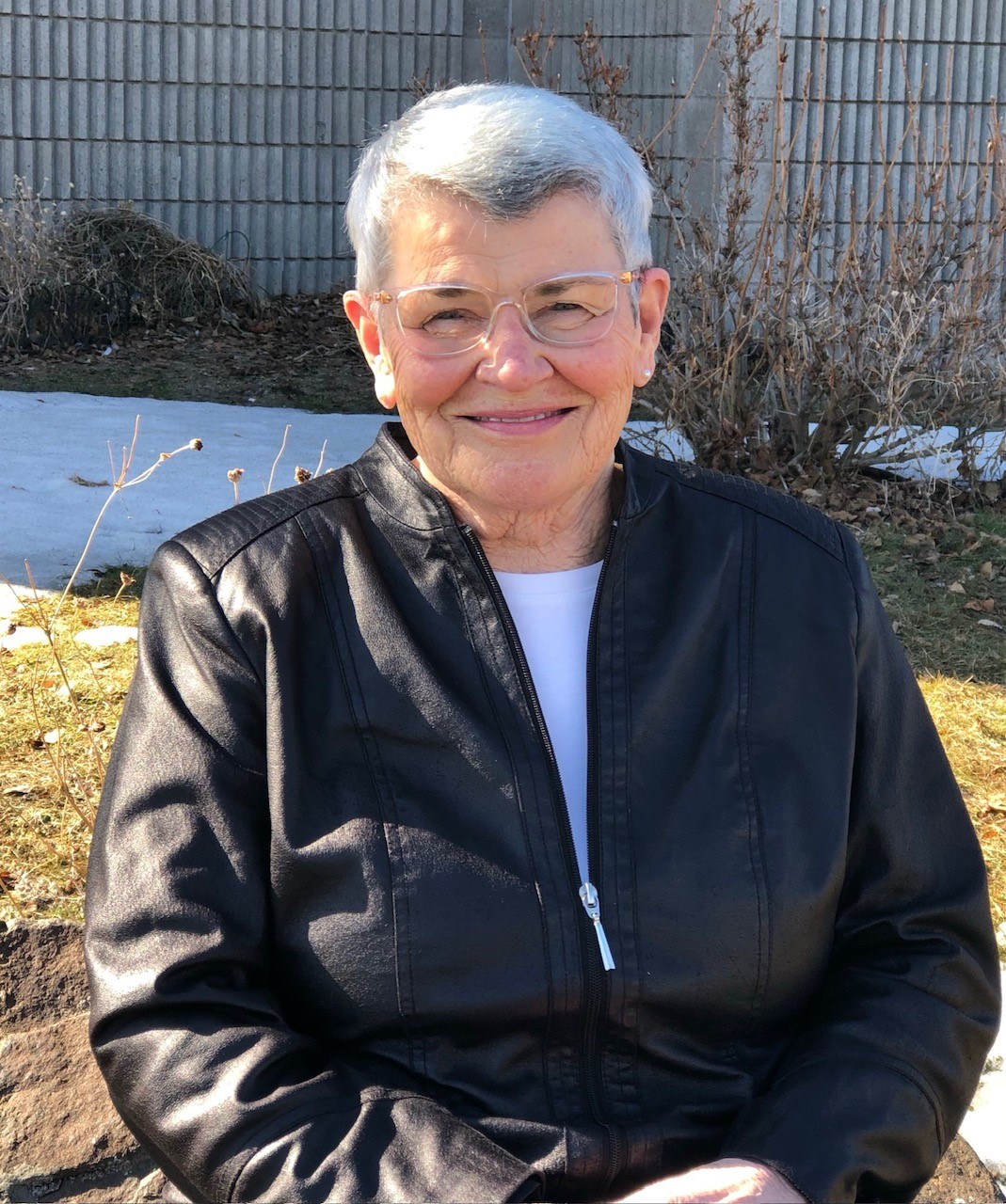 Rebecca Johnson
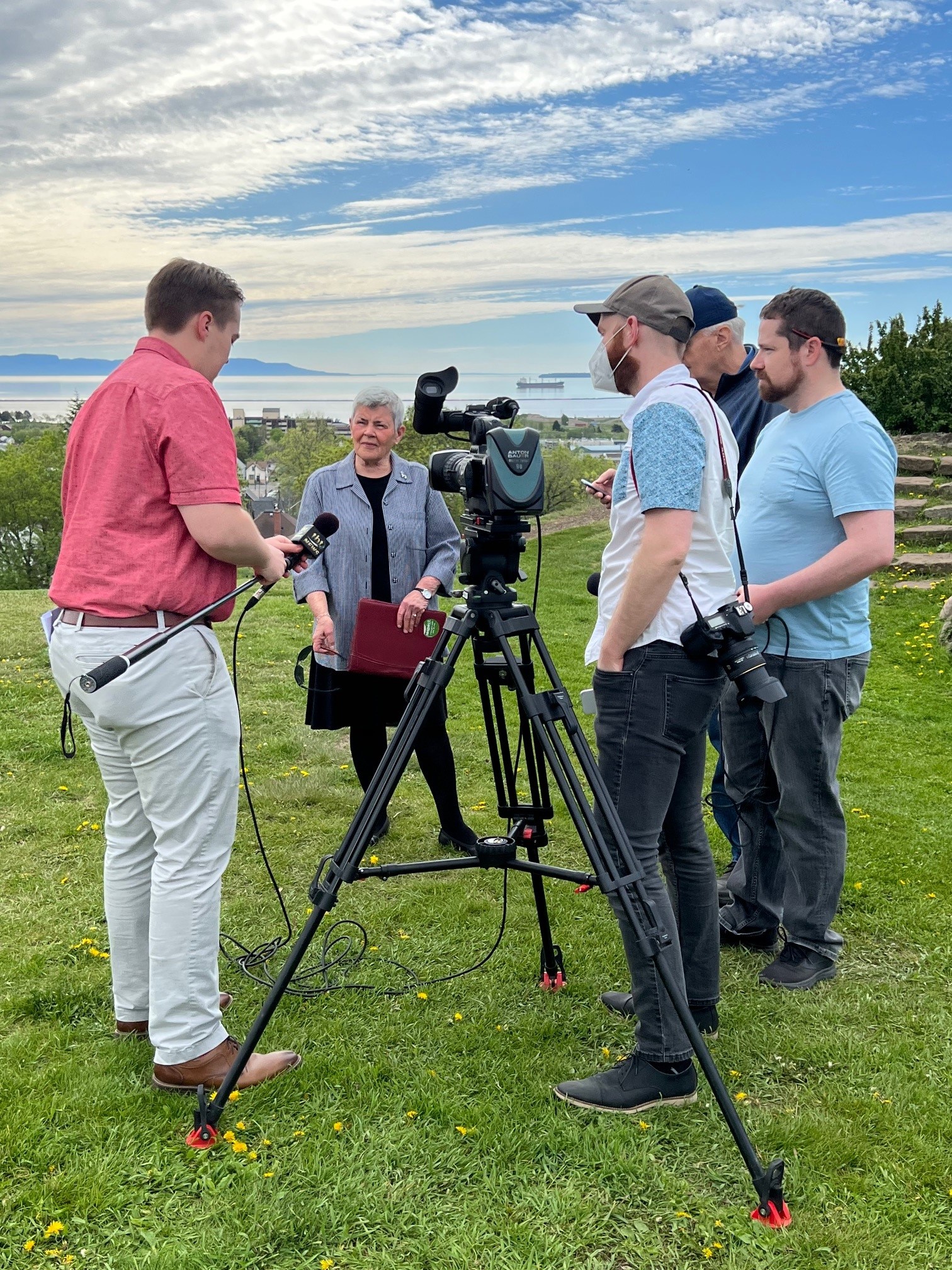 Rebecca Johnson at a media conference
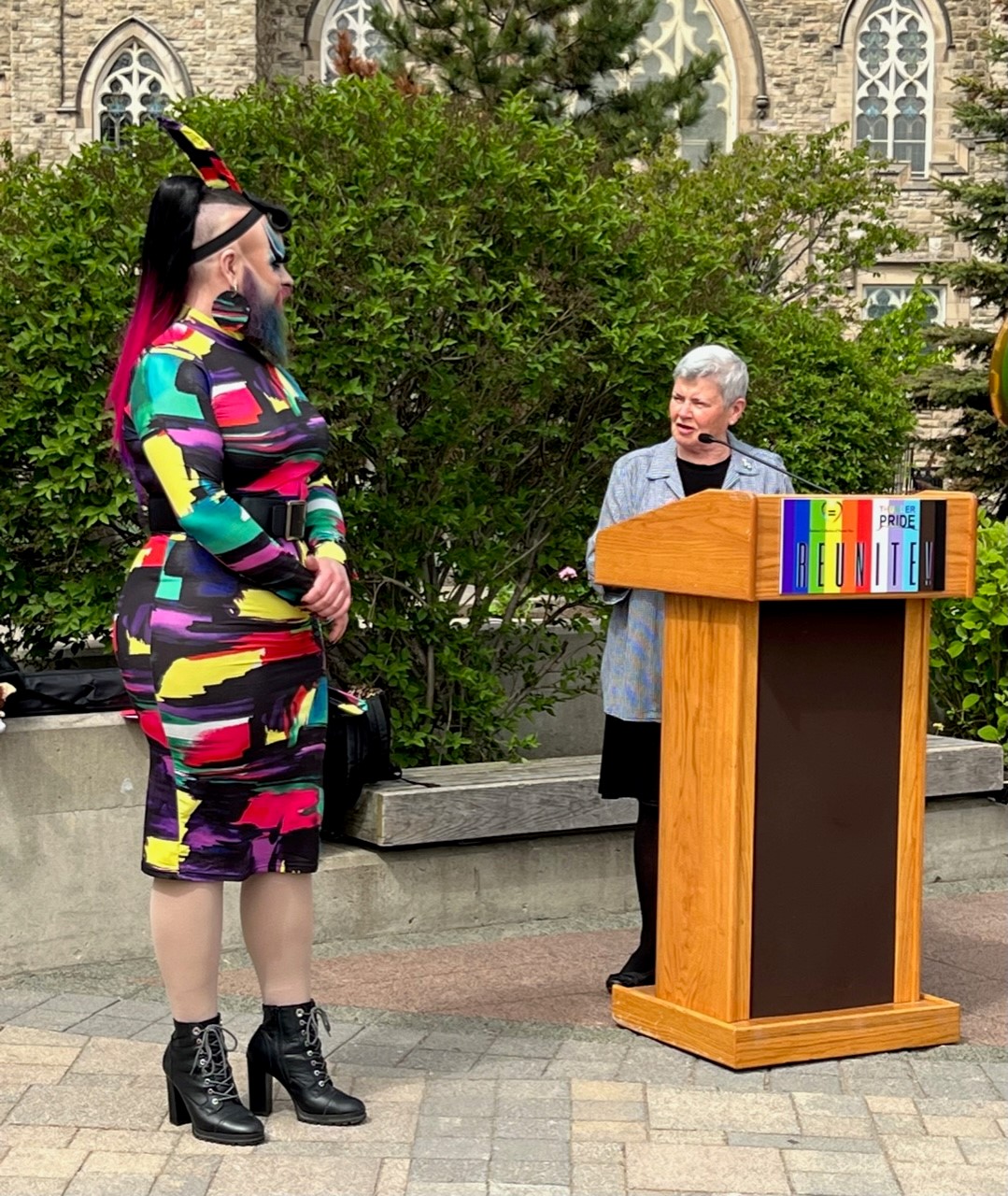
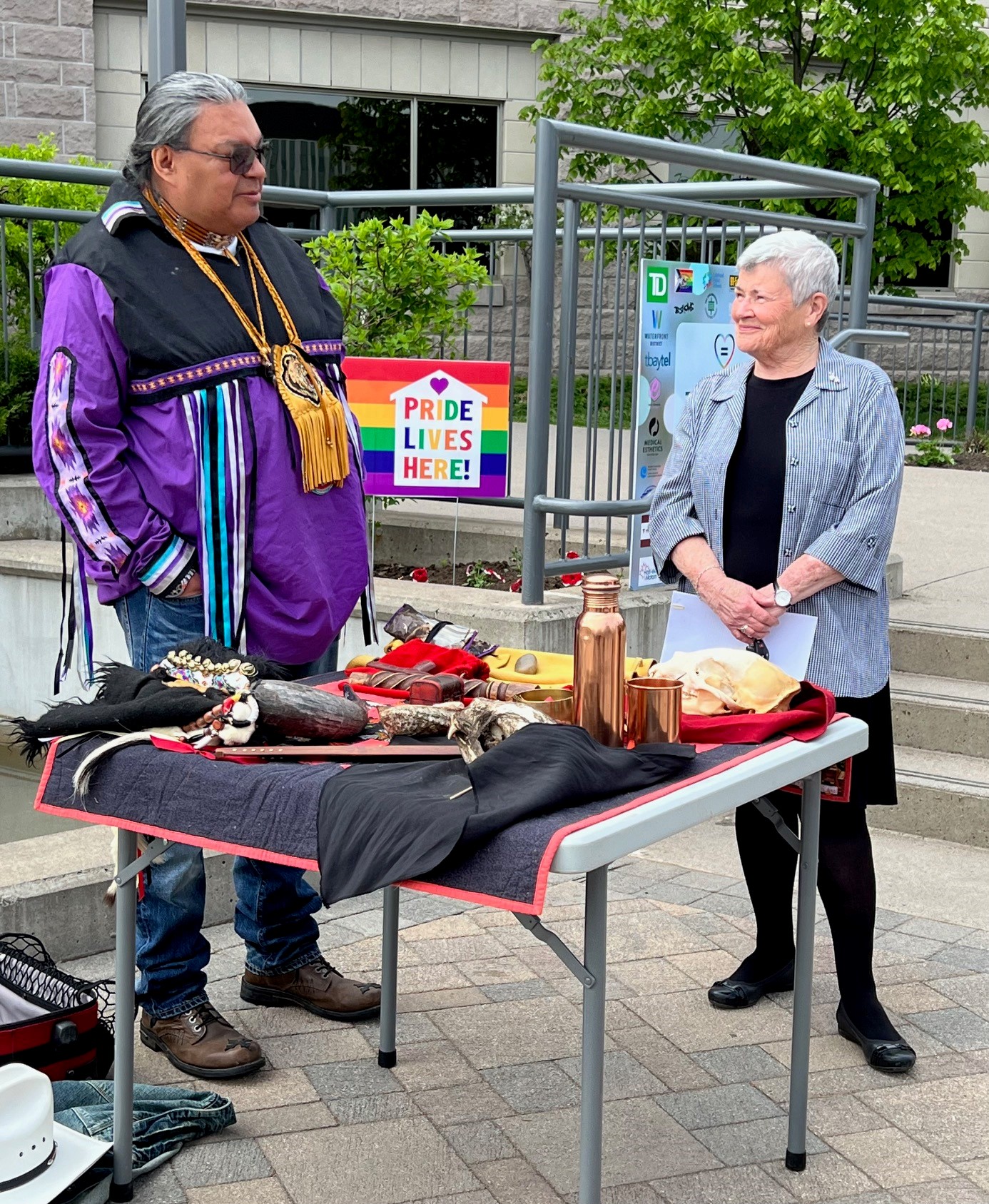
2022 Women's History Month
| Elizabeth Wieben |
|
Elizabeth Wieben
Elizabeth was born in Fort William as the oldest child of Orville Wieben, a well-known aviator and owner of Superior Airways. Like her four siblings, she learned to fly at an early age. She earned her pilot’s licence at 17, and by the time she finished high school was flying for her father's company.1 After completing a business degree at Western University, she returned to Fort William and worked in the family business as both a pilot and the manager of the Lakehead Flying School. In the 1960's, Elizabeth married Robin Webster, a geologist, whose profession took them to both the United States and Australia. In addition to becoming a mother to four children during this time, Elizabeth continued to both fly and instruct, earning her licences wherever they travelled. In many places she encountered resistance as a woman pilot, as at the time it was legal discrimination to not hire a woman pilot. Her determination to fly established her as a trailblazer in seeking equal opportunities for women, and her efforts gave other women a role model in a male-dominated field, proving that women had a legitimate place in aviation.2 In 1979, the family moved back to the Thunder Bay area because of her father's illness. As he passed, she undertook the sale of his business to his former employees, Superior Airways, while taking over a portion under the company name Wieben Air, a business chartering planes and camps at Pays Plat. In the 1980's through to the early 2000’s, Elizabeth taught adult education at Confederation College, but she soon transferred to the Confederation College Flight Division. There she taught both academic courses, such as business and technical aspects of the aviation business, and practical, such as teaching students to fly on floats and skis. During this time, she was also appointed to the Canadian Civil Aviation Tribunal, now known as the Transportation Appeal Tribunal of Canada. She retired in 2005 but did not slow down, becoming a founding Board member of the Northwestern Ontario Aviation Heritage Centre and later its president. Now in her 80s, Elizabeth still flies and offers private flying lessons out of the Thunder Bay Airport. For her enduring legacy as a pioneer in aviation, she received the prestigious Elsie McGill Northern Lights Award, an annual award that honours outstanding women in aviation and aerospace in Canada. Her contributions continue to serve as an example of dedication and a willingness to reach for greater heights for women in the Lakehead.
|
| Mona Hardy |
|
Mona Hardy
Born in Rocky Bay First Nation, Mona Hardy left home at a young age, travelling between different cities across Canada throughout her youth and into adulthood.1 She currently spends much of her time working for the Ontario Native Women’s Association (ONWA) as a knowledge keeper for the Indigenous Anti-Human Trafficking Liaison Program, sitting on ONWA’s provincial advisory board, and running tea stations at Missing and Murdered Indigenous Women Pow Wows. Mona is known in her volunteering work for her empathy, humour, and knowledge, and is a mentor to many.2 Hardy’s community contributions are not limited to just one association though. In addition to her work with ONWA, Hardy participates in the local hospital’s Indigenous Advisory Committee and their PRIDE Committee, the Northwest Community Health Centre, Thunder Pride, and many other community groups and programs.3 She leads a support group for 2-Spirit and Transgender people through NCHC, volunteers as a Patient Family Advisor with the hospital, and coaches Renal Dialysis patients on how to adjust and manage their lives. Hardy’s inclusion into the Women’s History Month is only one acknowledgement of many for her community contributions. In 2021, she was presented the Sovereign’s Medal for Volunteers – the highest award for volunteers in Canada – and Collin Graham noted in an article with TBnewswatch, how she “was crowned the prom queen by the youth of The Other 10% at their Pride Prom,” to honour her contributions.4 Hardy continues to spend time bettering the lives of others to this day, and will be remembered for her work. |
| Dr. Penny Seraphina Petrone |
|
Dr. Penny Seraphina Petrone
Petrone is a well known surname in the Thunder Bay area, due at least in part to Dr. Penny Serafina Petrone. As a writer, educator, and philanthropist, she left a lasting legacy on Canadian literature. Born in 1925 in Port Arthur, she attended St. Joseph’s School and Port Arthur Collegiate Institute before receiving a doctorate in English Literature from the University of Alberta. Dr. Petrone wrote five books and spent a lifetime of scholarly study on Canadian, Indigenous, and Italian works of prose. Her first two books focused on Indigenous literature, and Native Literature in Canada in particular was the first full book length history surveying the writings of Canada’s Indigenous people. For these accomplishments, she was made an honorary chief by the Gull Bay First Nations.2 Her latter three books focused on more personal matters, recalling her life and teaching career in the north; the last was only finished in the final months of her life. Dr. Petrone’s contributions to writing and culture have been honoured by many different groups and organizations. She received the Corporation of the City of Thunder Bay Citizens of Exceptional Achievement Awards in 1981, 1984, and 1989, and multiple other medals and honours between 1981 and 2004, including the Order of Ontario.3 Even after her passing, Dr. Petrone’s life and influence linger across the city. Magnus Theatre is now known in full as Magnus Theatre – The Dr. S. Penny Petrone Centre for the Performing Arts, in honour of her contributions to the arts. The facility housing the Northern Ontario School of Medicine’s west campus also bears her name as thanks for providing over a million dollars in scholarships and bursaries for Lakehead students.4
References: Chekki, Chen (2005-08-24). "Arts supporter Penny Petrone dies". The Chronicle Journal. Archived from the original on 2006-10-31. Retrieved 2006-12-08. https://archives.lakeheadu.ca/index.php/dr-penny-petrone-fonds OAC (Ontario Arts Council) Remembers Board Member Penny Petrone, Archived 2007-09-27 at the Wayback Machine Hill, Laurie. "Penny Petrone's Legacy Lives On", Lakehead University MAGAZINE. p. 12, Volume 23, Number 2, FALL/WINTER Lakehead University CANADA, 2006. Petrone, Penny. Schoolmarm: A Memoir. The Thunder Bay Historical Society, 2007 |
| Ruth Black |
|
Ruth Black
Ruth Black was a trailblazer and role model for women in a variety of aspects of her life. Whether it was in the sports arena, throughout her long and respected career in health care, or through her contributions to her community, she left her mark in many ways. During the 1920s and 30s, women began to participate in organized sports on a scale not previously seen. Ruth was a prominent local athlete during this time period. She demonstrated her versatility by competing at a high level in several sports, including basketball, volleyball, hockey, and softball, often playing and winning at the championship level. Teams she played on include the Golden Sprays and the Port Arthur South Ends, along with several high school teams. In 1937 she was recruited by Schreiber to play in the Women's Ontario Softball playoffs; their only loss of the tournament was in a game against Toronto in the finals. A pioneer in the field of women’s sports in northwestern Ontario, she earned entry into the Northwestern Ontario Sports Hall of Fame in 1985 in the Athlete category. Not content with success in sport alone, Ruth also gave close to 40 years of service to health care at a time when women did not hold positions of power in that field. Starting as a secretary at the newly opened Ontario Hospital farm in 1936 on the old Scott Highway, she went on to become the assistant administrator of the Lakehead Psychiatric Hospital (LPH), retiring from that position in 1973 as the lone female assistant administrator amongst the Ministry of Health’s twenty-six facilities which were operating at that time. Highlights of her career also included helping to coordinate the building plans for the LPH’s new location on Algoma Street and organizing the hospital's Volunteer Services Group. Ruth left her mark in the community in many ways, but perhaps most notably as a local hero during a crisis that unfolded at the Lakehead Exhibition Grounds in 1947. A team of horses suddenly began to run amok, galloping with a large empty hay wagon towards the crowd. Accounts note that it was Ruth who ran from the YWCA booth, caught the running team, gained control, and brought them to a stop. She would later be presented with the National Dow Award for Bravery due to her selfless heroism. Ruth also contributed more conventionally to her community as a volunteer with many organizations. She served on such boards as the YMCA, Visitors and Convention Bureau, and St. Andrew's Presbyterian Church. One of her lasting legacies was her work on the development of Thunder Bay’s Soroptimist International Friendship Gardens which she, along with Rose Frim, proposed as that group’s Centennial Project in 1967. Upon her passing in 1995 she left a number of financial bequests to a variety of organizations. She also left a large sum to the Thunder Bay Community Foundation, establishing the Ruth Black Fund which provides support to worthy groups each year, including a bursary at Confederation College and the Ruth W. Black Memorial Graduate Bursary at Lakehead University. For her excellence in sport, medicine, and community involvement, she continues to serve as an inspiration to women in the Lakehead.
Information for this articles has been provided courtesy of the Northwestern Ontario Sports Hall of Fame. Additional information about her contributions to the LPH can be found in the excerpts from the publicationLakehead Psychiatric Hospital 1934-2004 From Institution to Community – A Transformation of Psychiatric Services |

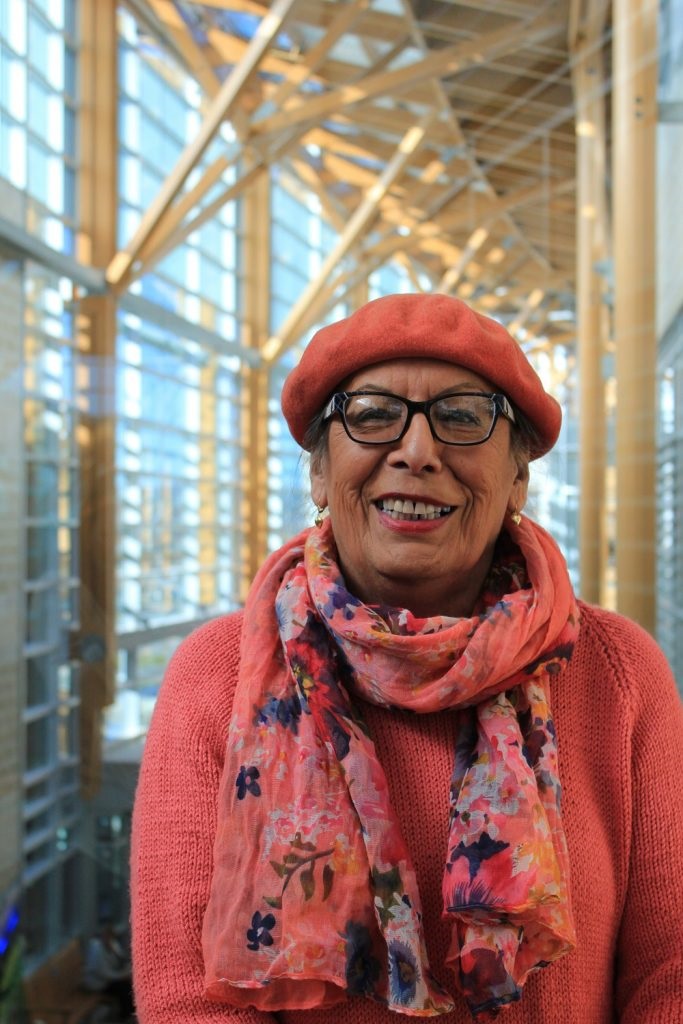
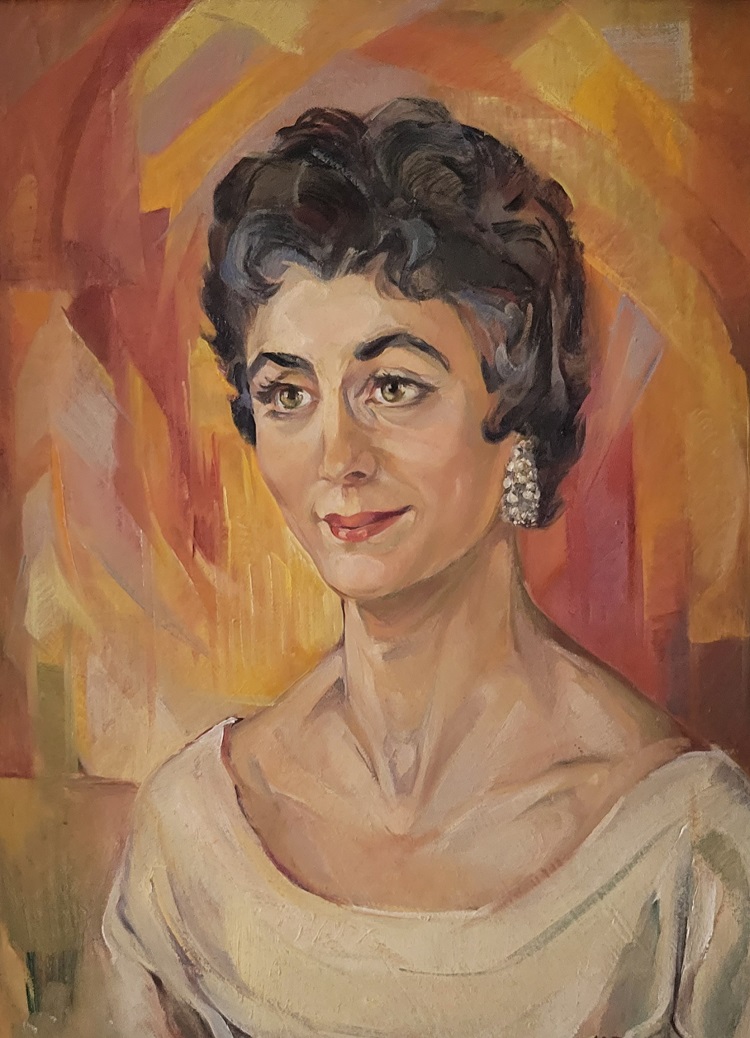
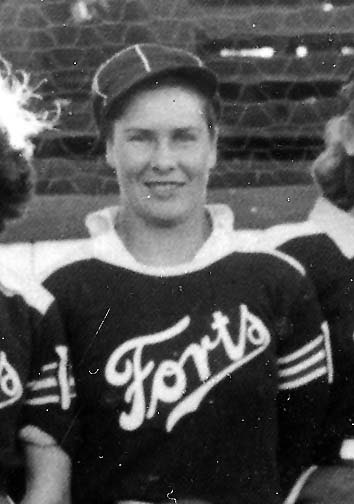
2021 Women's History Month
| Annette Pateman |
|
Annette Pateman
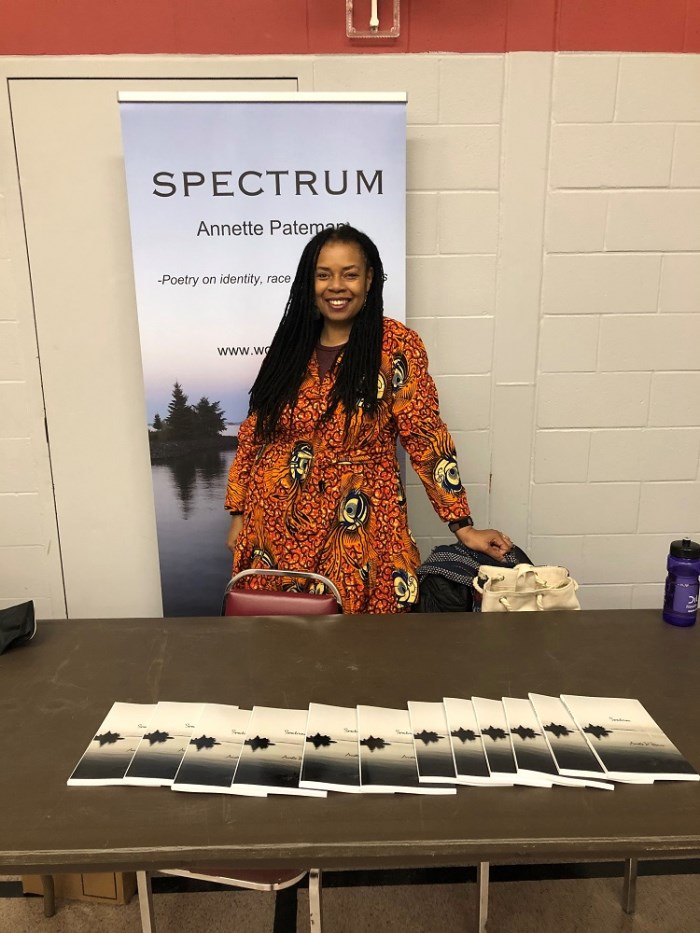
Annette Pateman, born in the United Kingdom to Jamaican parents with a Caribbean and African heritage, moved to Thunder Bay in 2012. She brought with her a unique perspective on a wide range of issues, including racial and gender equality, which would inform her writing and public speaking. She has also completed a degree in Biological Science, and post-graduate achievements in Education and Applied Immunology. The primary way Annette has taught the public about racial and gender identity and the empowerment of minorities is through literature and poetry. She has written numerous works documenting the racism and discrimination people of colour and women constantly face. One example is Spectrum, which uses poetry to examine “identity, race, relationships and diaspora of Black people around the world.”1 She has also contributed to various anthologies and collections of poetry, and serves as a human library of experiences to those who want to learn more about her life. Annette continues to be involved in various book and writers' groups in the City of Thunder Bay, where she gives presentations and lectures on race and gender theory in practical ways. For example, her webinars hosted by the Thunder Bay Museum serve as a model of entrepreneurship for women of colour, and she is also part of the Loud Women Book group, within the Loud Women Collective, which is a grassroots movement promoting equality, inclusivity and body positivity through creative engagement and education. Most recently, Pateman was awarded a grant from the Ontario Arts Council in March of 2021, which will be used in a role for half a year at the Thunder Bay Public Library as a Writer in residence. Through this role, “her main focus will be writing on Black identity and culture with elements of African and Caribbean folklore.”2 She has also been featured on local and national media outlets, including the CBC’s National News Program highlighting racism and discrimination in society. Her works in Thunder Bay and around the world have inspired numerous people, where her efforts have gained traction, including in the Black Lives Matter movement. The leadership Annette brings in breaking down barriers and promoting racial harmony offers a profound message of hope and change.
Annette Pateman with her Works |
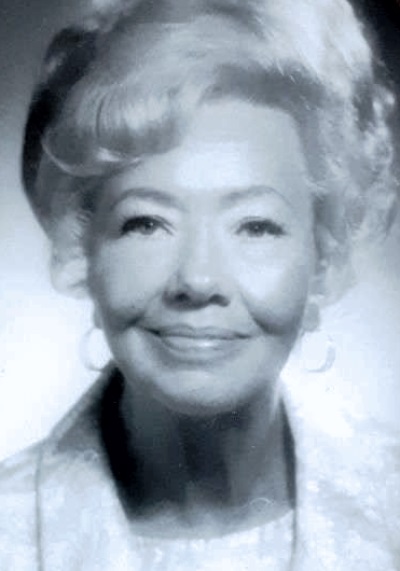
| Grace Ann Biggs Remus |
|
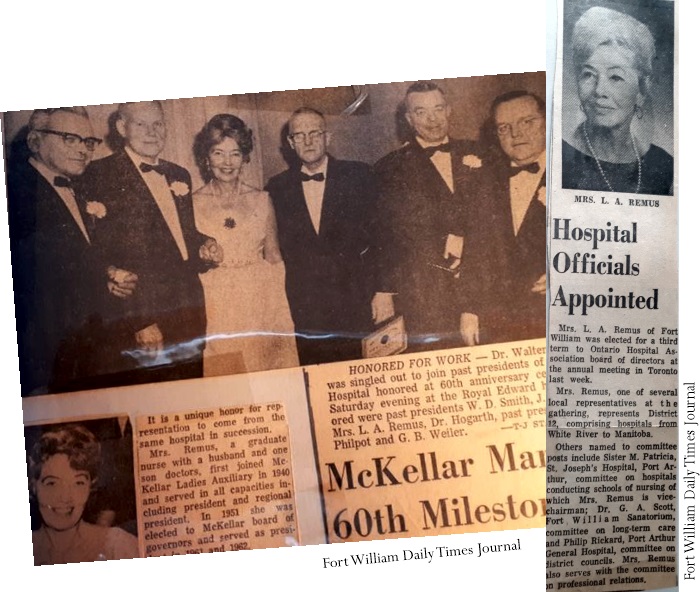
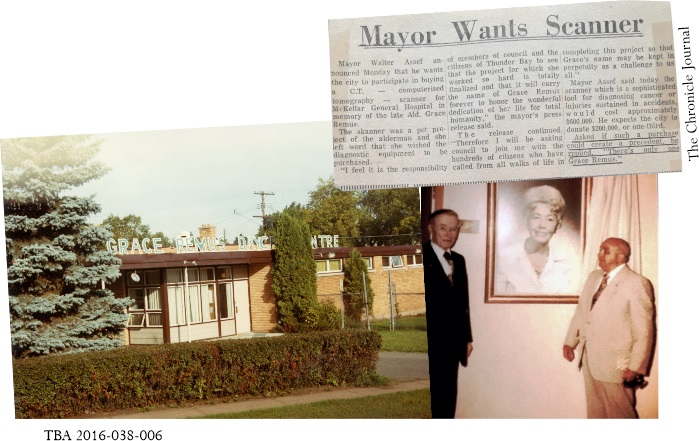
Grace Ann Biggs Remus
Born on May 15th, 1911, in Pembroke, Ontario, Grace Ann Biggs Remus was born into a community and politically oriented family. Her father, George D. Biggs, previously served as the mayor of Pembroke, and from a young age she was exposed to political and community advocacy. In 1942, Grace, with her husband and two sons, moved to Fort William, Ontario, now Thunder Bay, where she quickly embraced the community. After graduating as a nurse from Pembroke Cottage Hospital, she joined various health related community organizations, including the Thunder Bay District Health Board. Her work on the McKellar Hospital Ladies Auxiliary is especially noteworthy as she helped expand the hospital’s services across the region, grew the nursing residence, and increased the number of hospital beds. Grace also shaped politics as she served on the Fort William City Council from 1968 to 1969 and the Thunder Bay City Council from 1970 to 1976. Through her time on City Council, she advocated for various issues, including health, housing, welfare and industry. Some of her work involved supporting the Chippewa Zoo and planning the implementation of a swimming program. Some further highlights are from her time with the Thunder Bay Red Cross, where she served as the Water Safety Committee Chairman. Grace's time on City Council was important as she shaped community through her advocacy on various issues, such as women’s rights. As a woman in politics, Remus helped pave the way for more women to enter in what was, and still is, a male-dominated profession. She is remembered as a champion for the City of Thunder Bay and women in the region through her leadership in community organizations and the time she spent on City Council advocating for various issues.
|
| Jennifer Hunter |
|
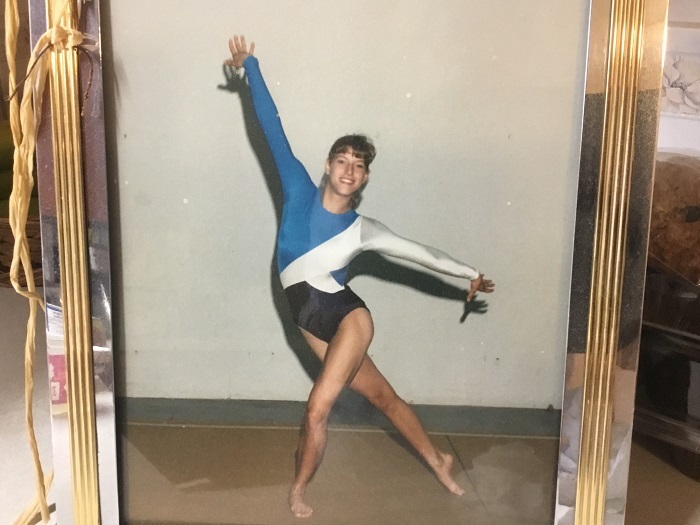
Jennifer Hunter
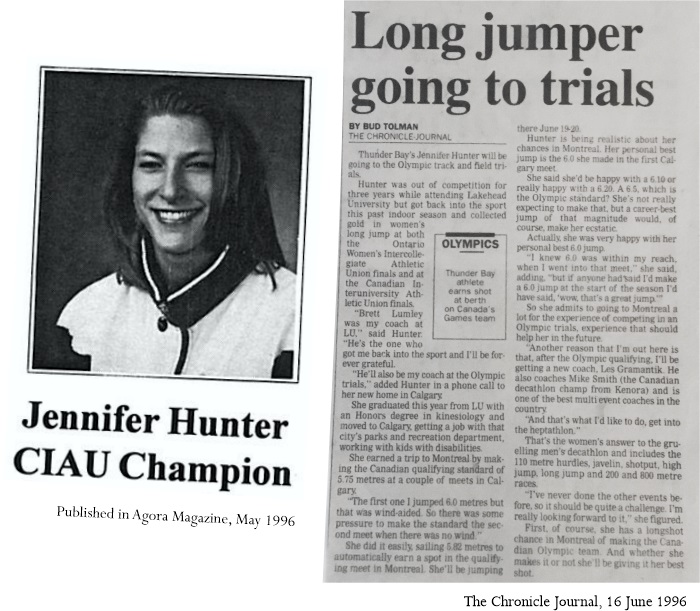
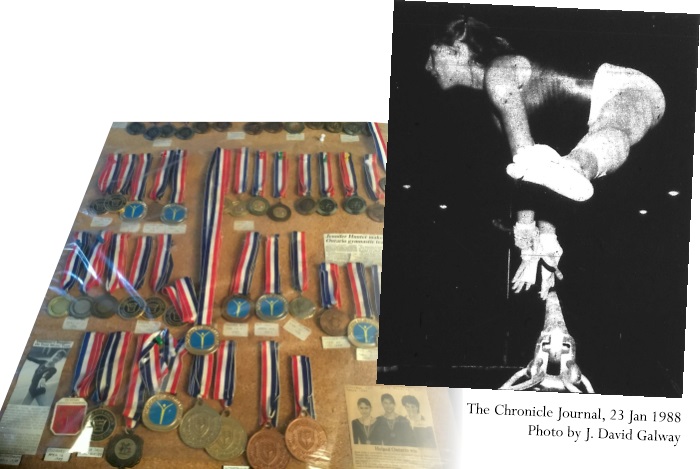
Whether through her participation in gymnastics or her engagement in track and field, Jennifer Hunter’s accomplishments have considerably shaped the sporting environment in the City of Thunder Bay. Starting gymnastics at the age of 9, Jennifer was almost immediately placed in the Competitive Group due to her natural talent and skill in the sport. For nearly ten years, she competed with the Thunder Bay Gymnastics group, with one of her most notable accomplishments being a part of the Ontario Gymnastics Team on two separate occasions. Through her strong contribution to the team, the Ontario gymnastics team placed first overall. Jennifer may have excelled in gymnastics, but she was also successful in track and field, where she achieved nearly as much. She participated on the Lakehead University track team while completing a degree in kinesiology, and one of their accomplishments was achieving the First Team All-Canadian in 1996. Her talent in track and field also earned her a spot at the Olympic Trials in 1996 since she made the Canadian qualifying standard of 5.75 metres in long jump. Despite the intense competitiveness of the Olympic Trials and making team Canada, she had the drive and commitment to give it “her best shot".1 Through her accomplishments in different sports within the community, Jennifer received recognition from the City of Thunder Bay by receiving an award in 1992 for her significant achievements. She still serves as a role model inspiring young athletes to follow their dreams and pursue their goals.
Jennifer Hunter Newspaper Clipping
Jennifer Hunter Medals 1: Bud Tolman, “Long Jumper Going to Trials,” The Chronicle-Journal (Thunder Bay), Sunday June 16th, 1996. |
| (Phyllis) Diane Scott |
|
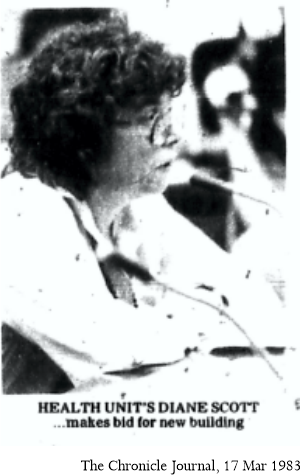
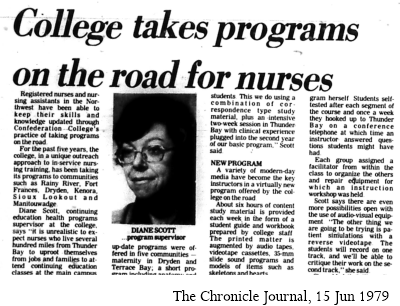
(Phyllis) Diane Scott makes a bid for a new building
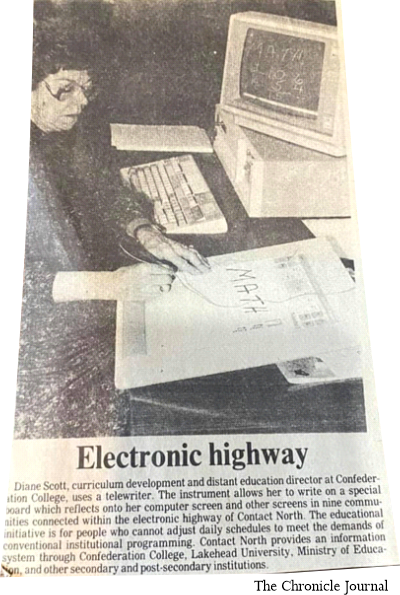
Diane Scott was born in Toronto, Ontario, Canada, in 1940 and in 1962, Scott received a BSc in Nursing from the University of Toronto. In 1994, she furthered her education and received her Masters of Education from the University of Central Michigan.1 After her graduation, Diane was an educator at Lakehead University and Confederation College, where she taught various subjects, including psychiatric nursing.2 Through her work at Confederation College, she held many positions, including Director of Curricular Design and Development, Director of Community Education Programs, and Director International. 3 She also was an educator at Lakehead University’s School of Nursing in Obstetrics and Community Nursing. Diane's contributions include the development and delivery of distance and online education training, including making these programs accessible in the City of Thunder Bay and remote and Northern communities. An example of this is in the paramedic and emergency services sector where low staffing meant personnel training was difficult. Her innovations in access to distance learning spread worldwide, and she would promote those efforts in places such as Colombia, India, China, and Ghana. She also had an impact outside of the education sector and was instrumental in various community development projects. One accomplishment of Diane's was her work in receiving funds to create and build the Thunder Bay Health Unit, while she also served as Board Member for the Registered Nurses Association of Ontario, the Thunder Bay District Family and Children’s Services, and the Thunder Bay branch of the Canadian Mental Health Association. On September 15th, 2018, Diane passed away in Abbotsford, British Columbia, but people still remember her legacy and accomplishments around the world.
(Phyllis) Diane Scott in the News |
| Rose Alice Louise Bernst |
|
Rose Alice Louise Bernst
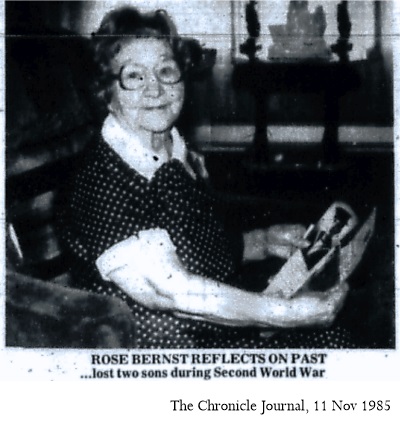
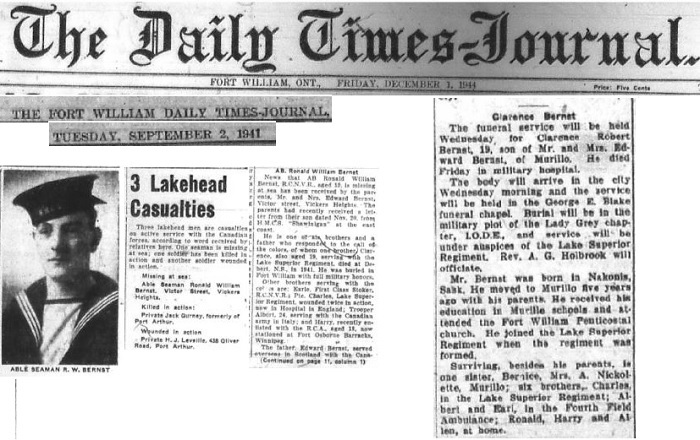
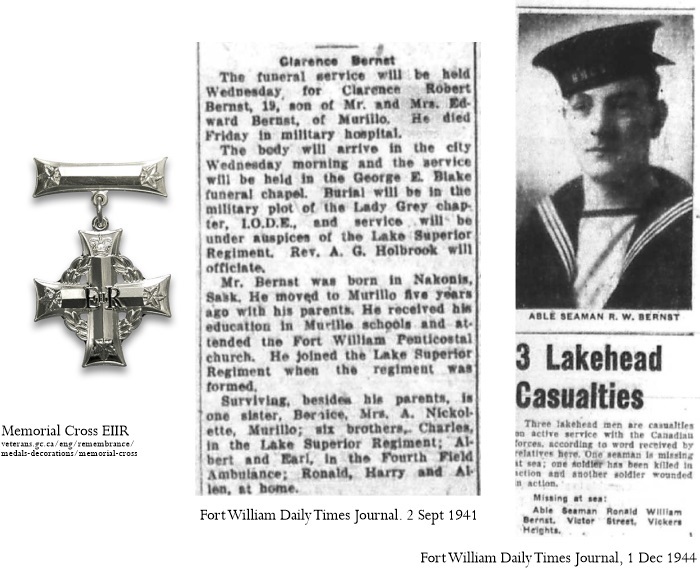
Born in London, England, on April 17th, 1898, Rose Alice Louise Bernst spent her early years in England before immigrating to Canada. There she would marry Edward Emil Bernst in Fort William, Ontario, now Thunder Bay, before moving to Saskatchewan in 1916. They returned to Fort William in 1935 with their family of 8 children. Every male member of the Bernst family served in the Canadian forces in some way, including active duty. Her husband served with the Forestry Corps in Scotland from 1942-1945. All seven sons also served throughout various military units, including the Lake Superior Motor Regiment. Hailed as “Rosie” the riveter, Rose herself also contributed to the war effort working at Can-Car in Fort William. Tragically, Rose’s family suffered loss during the conflict. On August 29, 1941, her son, Private Clarence Robert Bernst, died from leukemia while serving with the Lake Superior Regiment (Motor). A few years later, one of her other sons, Able Seaman Ronald William Bernst, was killed at sea while on duty with the Royal Canadian Naval Volunteer Reserve.1 While not the only soldiers to have died during WWII, their loss was conveyed back home through moving death notices in the local papers.
Notices of Death for Rose Alice Louise Bernst's Two Sons In honour of her two sons that died while serving in the Canadian military, Rose Alice Louise Bernst from Thunder Bay, Ontario, was selected as the 1985 National Memorial (Silver) Cross Mother. The Silver Cross Mother recognizes the exceptional sacrifice and trauma of mothers and wives of Canadian soldiers experienced having their family serve in Canada’s wars. Representing all mothers who have lost children while serving, Mrs. Bernst laid a wreath at the base of the National War Memorial, raising awareness for the perspective of those left behind to remember the sacrifices made.
Rose Alice Louise Bernst Notice in the Newspaper |

2020 Women's History Month
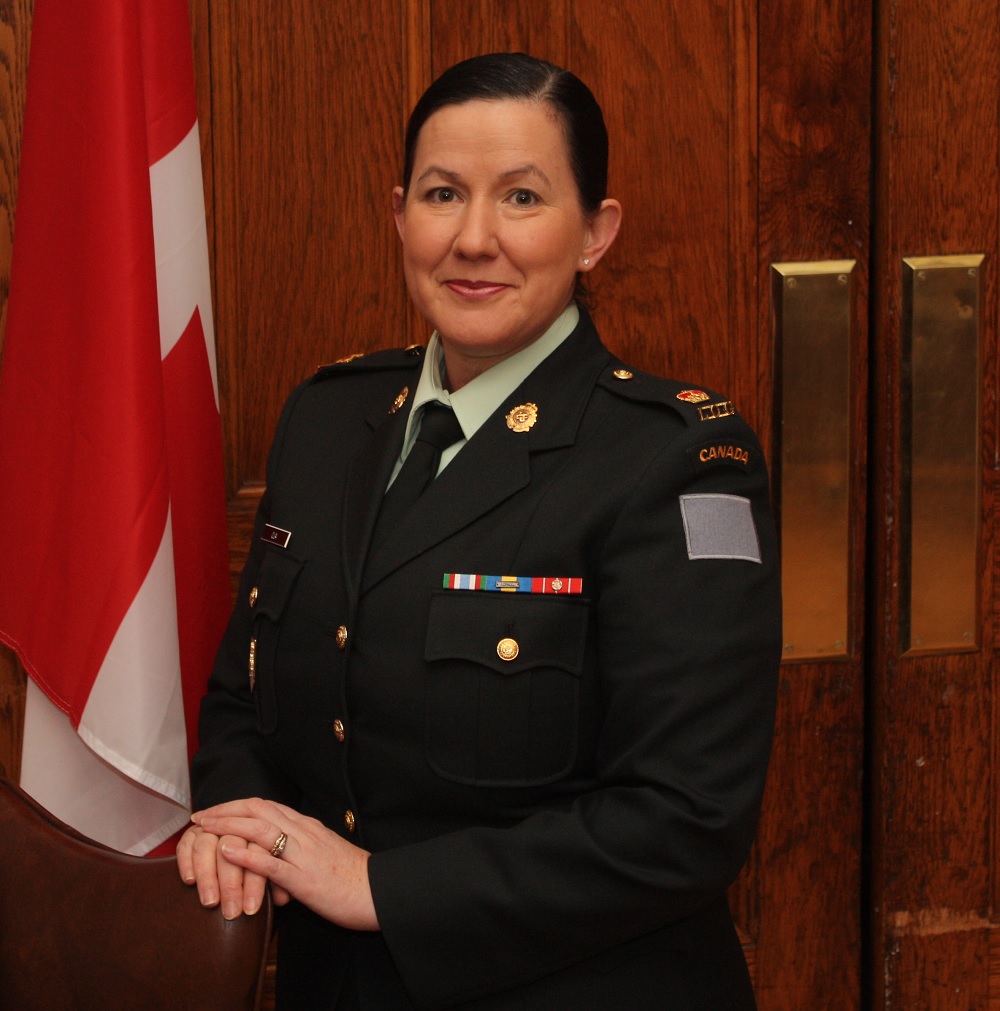
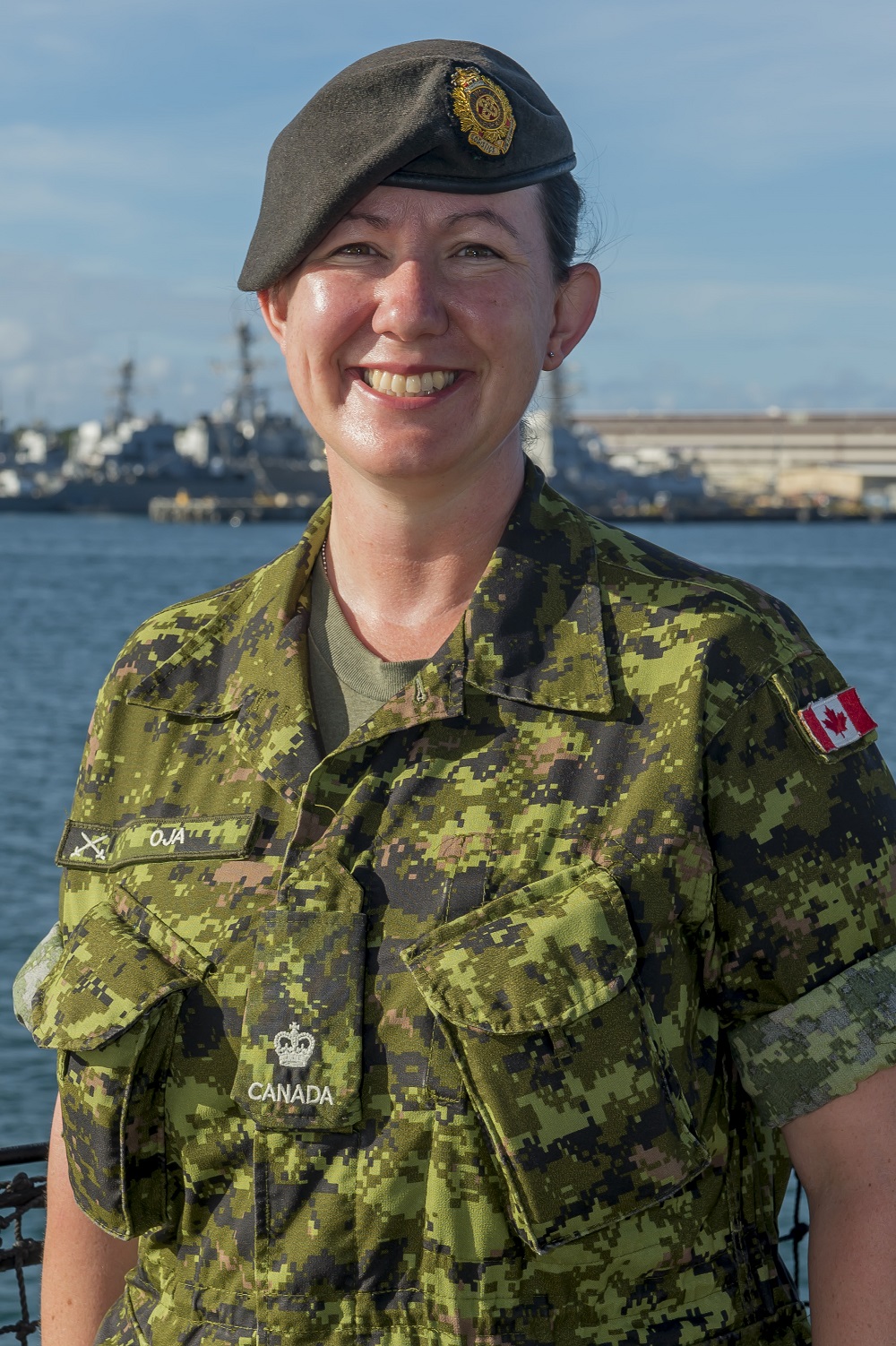
| Lieutenant-Colonel Darla Oja |
|
Lieutenant Colonel Darla M. Oja, CD
Lieutenant Colonel Darla Oja enrolled in the Canadian Armed Forces in 1992 as a private, working as a Mobile Support Equipment Operator in the 16 (Saskatchewan) Service Battalion. She served across Canada, from Dundurn and Wainwright in the Prairies to the Vernon Cadet Training Centre in British Columbia, where she also fought forest fires in Penticton. In 1996 she transferred to the 18 (Thunder Bay) Service Battalion, there taking on the role of Dispatcher in the Thunder Bay Garrison and rising to the rank of Master Corporal. She was further promoted to Sergeant in 2003 and transferred to 736 Communication Squadron in Thunder Bay as the Training Non-Commissioned Officer (NCO), where she remained until 2009. During this period she was deployed to Bosnia-Herzegovina as the Operations NCO on Operation Althea in 2006. In 2009 she received a Lieutenant’s commission and stayed on as the Adjutant for 736 Communication Squadron until 2013. From 2013-2015 she accepted the position of Area Reserve Standards Officer for the Western Area Training Centre, covering 38 Canadian Brigade Group, which encompasses Saskatchewan, Manitoba, and Northwestern Ontario. In 2015 she returned to the Service Battalion in Thunder Bay, now part of 38 Service Battalion, as the Officer Commanding 18 Service Company and was promoted to Major in 2015. Lieutenant Colonel Oja served as the National Command Element J1 for the international training exercise, RIMPAC 16, in Honolulu, Hawaii and assumed the role of 38 Service Battalion Deputy Commanding Officer in 2017. In 2017 she deployed on a Domestic Operation as Joint Task Force Deputy Commanding Officer for Operation Nanook-Nunalivat in Rankin Inlet, Inuit. In June 2019 she was promoted to the rank of Lieutenant Colonel and the appointment of Commanding Officer for 38 Service Battalion, which has subunits spanning the three provinces. Lieutenant Colonel Oja is active in various community associations such as the Military Family Resource Centre and the St Anthony’s Catholic Church. She is also president of the Mess Committee for the Lake Superior Scottish Regiment and the Garrison Officers Mess in Thunder Bay. Her interests include international travelling, hiking, camping, and reading.
Photo Credit: Canadian Forces Combat Camera |
| Elizabeth Dougall |
|
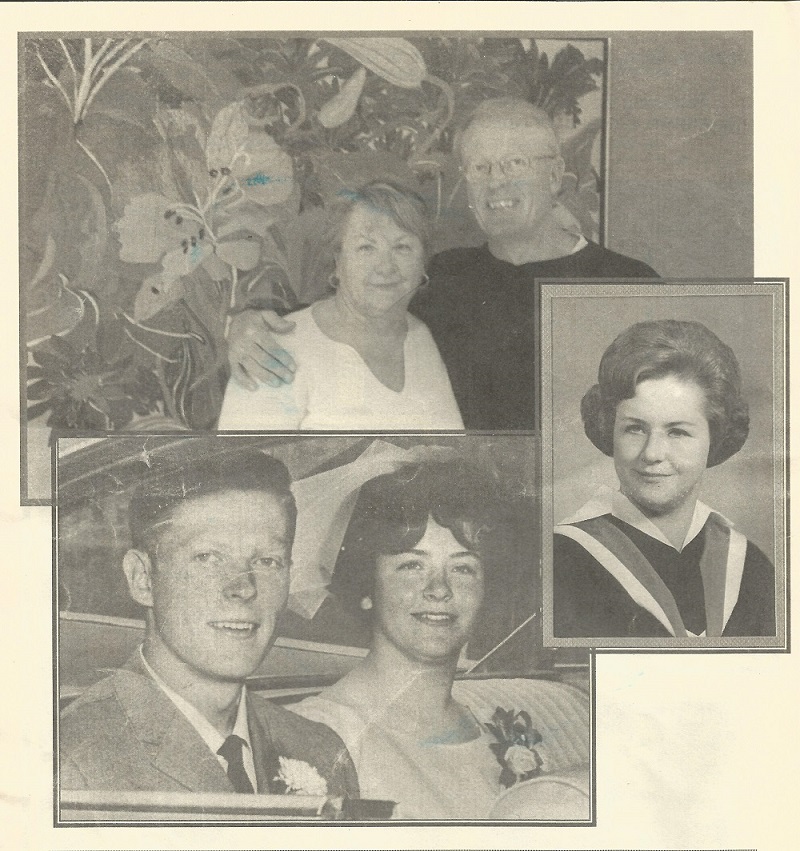
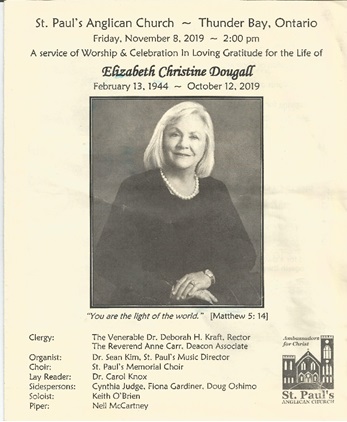
Elizabeth Christine Dougall [nee Burton]
Elizabeth was born February 13th 1944 at the Port Arthur General Hospital to John and Eileen Burton. She attended Fort William Collegiate Institute and the University of Toronto before graduating from Lakehead University with a degree in English. Elizabeth married Hector Fraser Dougall Jr. on June 3rd 1963, and was devoted to her family that grew to include three children, named Hector, Scott and Kirsten.
The Dougall’s role in publication and broadcasting began when Fraser’s father Hector brought radio to Fort William in the 1930’s. Dougall Media grew to include multiple radio and television stations as well as news outlets that continue to provide a wide range of community information to Thunder Bay and the surrounding area. Elizabeth not only supported her husband in running Dougall Media but was also General Manager at Guide Printing, their publishing branch, and assumed the role of company President after his death in 2015. Though leading a busy life, Elizabeth found time to volunteer and was active in her community. She believed in Thunder Bay and donated her time to improve the city through organizations such as the Rotary Youth Exchange Program and the Lakehead Mental Health Association. Elizabeth was also Campaign Chairperson for United Way Thunder Bay, with her involvement in the organization spanning twenty six years. Originally recruited as a board member, she joined a male dominated organization but led significant changes with vision as she took on a leadership position when she became its President. Elizabeth took on leadership roles in many other associations: she was Co-Founder of the Thunder Bay Co-op Nursery School, Superintendent of the CGIT St Paul’s United Church, a Board member of the Victorian Order of Nurses Thunder Bay, Board member and President of Magnus Theatre Thunder Bay, a Fundraiser and Coordinator for the Salvation Army, Member of the Thunder Bay Executives Club, and was a Founding board member of the Northern Ontario School of Medicine.
Joanne Kembel, formerly United Way Executive Director, notes that “…she was always encouraging, inspiring, motivating, and teaching me. Whenever I asked for her help, she gave it generously, without hesitation… Not only was she very intelligent, representing our community admirably, but she was also a ton of fun to be with... She had an inquisitive mind, had a visionary approach to problem solving, and a capacity to adapt complex approaches to work locally. Her enthusiasm was contagious and her belief anything is possible inspiring.” Elizabeth was given the United Way of Thunder Bay Ross B Judge Volunteer Award of Excellence acknowledging the extraordinary influence she had had on our community. She passed on October 12th 2019 at Thunder Bay Regional Health Sciences Centre. |
| Katherine Dugmore |
|
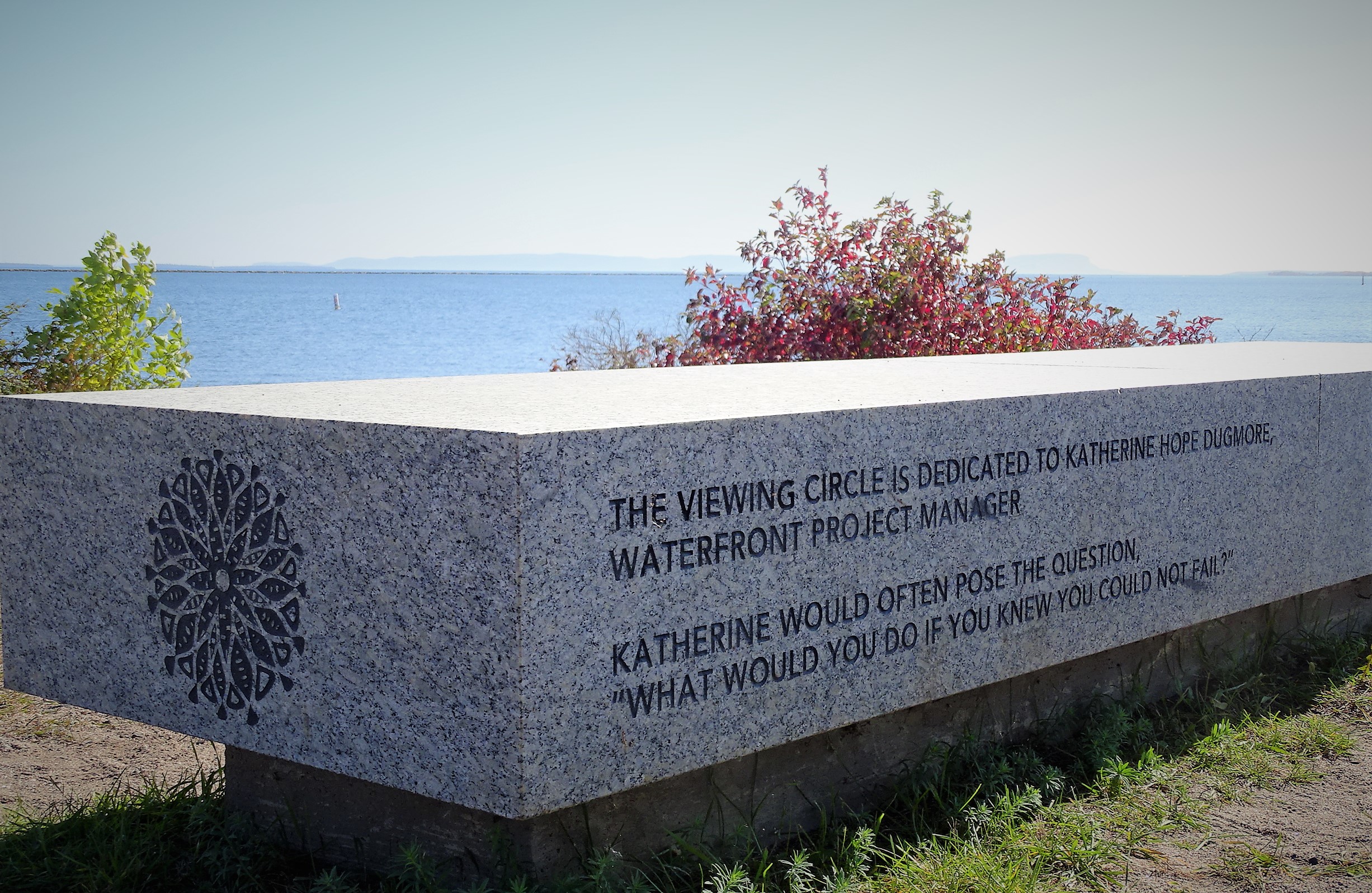
Katherine Hope Dugmore
Born in Kirkland Lake, Ontario, Katherine developed her deep appreciation for nature and the recreational activities it allowed many to enjoy. First obtaining an undergraduate degree in Landscape Architecture from the University of Guelph, Katherine returned there again to earn her Master of Science Degree in Rural Planning and Development. Katherine's subsequent twenty-five year career as a Planner and Landscape Architect helped her shape communities throughout Ontario in both the private and public sectors. Her biggest impact, however, was made here in Thunder Bay. Katherine’s time with the City of Thunder Bay began in 2005 as the Manager of the Planning Division. Her central role in creating the vision for the development of Prince Arthur's Landing led to her appointment as Waterfront Project Manager in the spring of 2007. Katherine’s leadership guided Thunder Bay through this complex waterfront revitalization project that brought an award-winning vibrant hub for activity and enjoyment to all. The $120-million plus public/privately funded project created a contemporary world-class public space. The site, honouring its rich history, incorporated a larger park, trails, new substantial recreational and cultural opportunities, and an extensive collection of locally inspired modern and Indigenous art. The project also saw an expanded marina, restoration of a historic building, new construction of public buildings, as well as the more recently completed condo and hotel developments. As a tribute following her passing in 2013, a portion of the waterfront development – The Viewing Circle – was dedicated to Katherine and her role as Waterfront Project Manager.
The Viewing Circle Katherine’s skill in urban planning and landscape design shines through many other notable and well-appreciated projects within the City of Thunder Bay, including the Terry Fox Scenic Lookout on the Trans-Canada Highway. Dedicated to excellence and encouragement, Katherine also shared her professional experience and knowledge with the Northern District Executive of the Ontario Professional Planners Institute through her active participation within the organization.
2011 Tour of Pier 2, Prince Arthur's Landing
Prince Arthur's Landing, Thunder Bay
Katherine Dugmore with Stephen Harper |
| Honourary Lieutenant-Colonel Margaret Ruth Page |
|
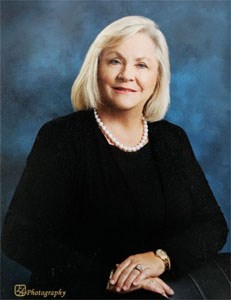
Honourary Lieutenant-Colonel Margaret Ruth Page, CM CD MSc
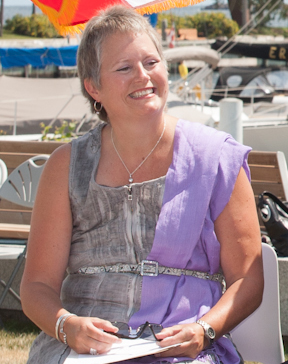
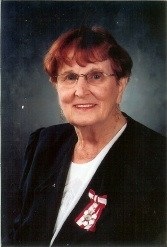
Margaret Ruth Page was born in Logan Township in Perth County, Ontario, to John Alexander and Charlotte Maud Drummond (nee Sinclair). At London, Ontario’s Victoria Hospital, she learned the basics of nursing, continuing her education with Certificate in Public Health Nursing, a Diploma of Advanced Public Health Nursing, a Bachelor of Science in Nursing, and a Master of Public Health. Her nursing career began in Cochrane, Ontario, but she eventually joined the Ontario Society of Crippled Children and became District Nurse for Kirkland Lake, Cobourg, and Fort William. Margaret soon spent time at the Ontario Department for Public Welfare in Port Arthur as a field worker, and was Welfare Administrator for the Shuniah and Neebing Municipalities. She would also act as Nursing Instructor in Port Arthur General and McKellar General Hospitals’ Schools of Nursing, working throughout Northwestern Ontario. Margaret would become a leader as Supervisor of Public Heath Nursing at the Port Arthur and District Health Unit, and later Assistant Director of the Thunder Bay District Health Unit’s Public Health Nursing division. She also continued teaching by becoming an Assistant Professor at Lakehead University School of Nursing in 1973. By 1977 Margaret became full Professor and was further promoted to Director of the School of Nursing, where she remained until 1980. She would eventually bring her work to nations around the world, such as Pakistan and Iran. Margaret supported professional associations, including the Canadian Nurses Association, the Canadian and American Public Health Associations, the Canadian University Teachers Association, and more. She further headed the Registered Nurses Association of Ontario as President from 1964 to 1965. She also assisted community organizations such as the Lakehead University Alumni Association, the University of Malawi, the Canadian International Development Agency, University of Nairobi, Kenya, and the Ontario Science Centre, among many others. Her efforts extended to the military, as Margaret was also a Nursing Sister with the Royal Canadian Naval Reserve, HMCS Griffon, Thunder Bay. This lead to her being appointed Honourary Lieutenant Colonel 18 (Thunder Bay) Medical Company and Commander of the Thunder Bay Commandery. For her work was awarded the Order of Canada, the Order of St. Stanislas, a Canadian Forces Decoration Medal with bar, the Ministry of Culture and Tourism Volunteer Service Award, the Commemorative Medal 125th Anniversary of Canadian Federation, RNAO Award of Merit and Member Emeritus. Locally, she was granted Fellow of Lakehead University, but Lakehead University Student Health Centre was named The Margaret R. Page Health Centre in her honour. View Margeret Ruth Page's obituary. View honours recipients from the Governor General of Canada. |

2019 Women's History Month
| Grandmother Josephine Mandamin |
|
Grandmother Josephine Mandamin
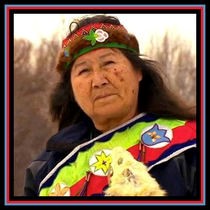
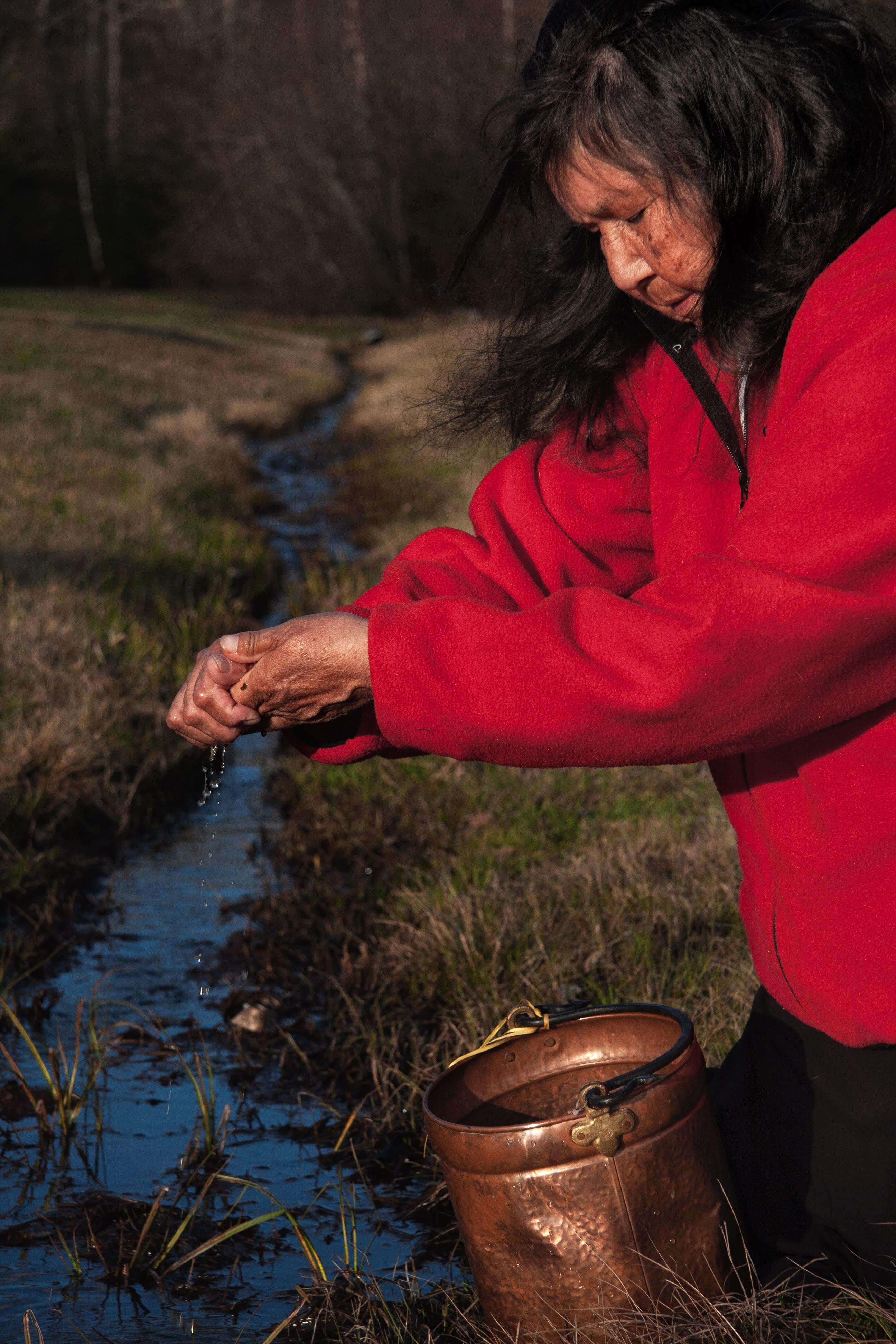
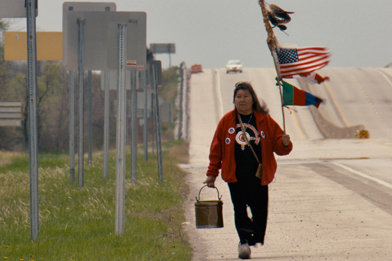
Josephine Mandamin (born Josephine Henrietta Trudeau) was born February 21, 1942. Josephine is Odawa from Wikwemikong Unceded Territory on Manitoulin Island. Josephine was the wife of Andrew Mandamin, and was blessed with five children, thirteen grandchildren and sixteen great grandchildren. Josephine was a residential school survivor, having attended St. Joseph’s School for Girls in Spanish, Ontario from 1948–1954. St. Joseph’s School for Girls was affiliated with the Roman Catholic Church and run by the Jesuits and the Daughters of the Heart of Mary and operated out of Spanish, Ontario from 1913–1965. Despite her experience with the residential school, she maintained her Anishinaabe identity and followed her traditional teachings. Josephine moved to Thunder Bay with her husband and children in 1979. Her work in Thunder Bay spans over 40 years, as her life’s journey was to serve the public and help improve the lives of Indigenous people. This is recognized throughout her work history: She worked at Kashadaying residence, a residence for students from outlying First Nations communities, and Mino Bimaadiziwin, a group home for youth in conflict with mental health issues. She also served as Executive Director of Beendigen Inc. and Ontario Native Women’s Association (ONWA), finally retiring in 2006. In 2009, Josephine went back to school in Sault Ste. Marie to pursue post-secondary education, graduating from Algoma University and Shingwauk Kinoomaage Gamig with a bachelor’s degree in Anishinawbemowin in 2013. Throughout Josephine’s career and her life as a wife, mother, grandmother and great grandmother, she remained dedicated to her community and sharing her experiences as an Anishnawbe-que. Josephine was a 4th Degree member of the Three Fires Midewiwin Lodge and member of its Grandmothers’ Council. She taught about language, culture, identity, and the need to honour and respect all things that the Creator has given to human kind. Josephine shared the prophecy she received in the Three Fires Midewewin about the damage we are doing to the water, which is life, and that by the year 2030, a bottle of water would cost the same as an ounce of gold. She was also known for her work with the Mother Earth Water Walk, an event she and a group of Anishinaabe women started in 2003, which brings women from different clans together to raise awareness about water pollution and the sacredness of the water. The idea was to bring together people who share the same interest and protect our water from future pollution[1]. A children’s book called The Water Walker was written and illustrated by Joanne Robertson in 2017, available through Second Story Press to honour Josephine’s message and work. The book follows the story of Grandmother Josephine and her love for Nibi (water); it follows her walking journey with colorful illustrations and pronunciation guides for Anishinaabe words. In 2012, Mandamin received the Anishinabek Nation Lifetime Achievement Award and in 2016 she received the Lieutenant Governor’s Ontario Heritage Award for Excellence in Conservation. On January 26, 2018, Josephine was awarded the Governor General's Meritorious Service Decoration in recognition for her contributions to Indigenous leadership and reconciliation. She also received honors from the Native Women's Association of Canada and the Ontario Native Women's Association. In 2019, the Great Lakes Guardian Council honored Mandamin's water protection work.
|
| Elder Freda McDonald |
|
Elder Freda McDonald
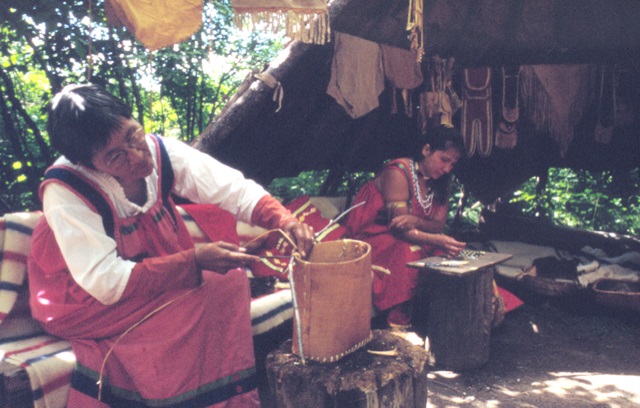
From the time she arrived in Thunder Bay with her husband and children in 1976 until her death at the age of 85 on January 1st, 2018, Freda McDonald shared her knowledge of Ojibwa culture and spirituality with both Indigenous and non-Indigenous people alike in Thunder Bay and beyond. Freda McDonald (nee Courchene) was born in Fort Alexander (Sagkeeng) First Nation on April 26th, 1932, and grew up in a traditional hunting and trapping culture. However, years at residential school and loss of her official native status when she married a non-native person separated her from her childhood experiences of living off the land. All that changed with the move to Thunder Bay in 1976 and her employment at Fort William Historical Park. According to an article in Canadian Geographic's May-June 1994 issue, Freda applied at Fort William Historical Park for a job as a seamstress and was instead hired to work at the Indian Encampment, which in those days consisted of a teepee. There, she shared her knowledge about Ojibwa crafts, culture, and spirituality, and became regarded as an expert. Under her guidance the Indian Encampment developed into a vibrant site incorporating cooking, basket weaving, and other traditional activities. Thousands of visitors to Fort William Historical Park from all over the world were exposed to authentic Ojibwa culture because of the work of Freda McDonald. As Freda’s knowledge of her culture increased so too did her spiritual awareness. Freda said of her craft making, “For me, the work is very therapeutic and centering. It’s a healing thing.”
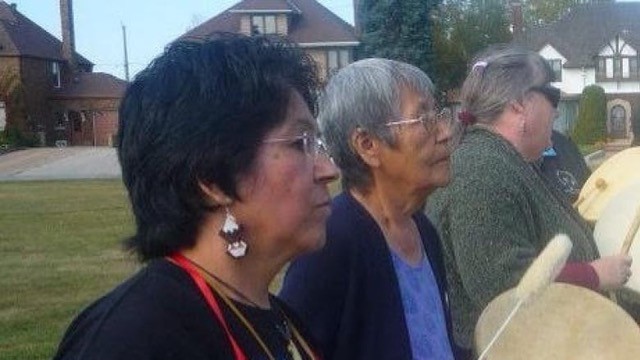
Freda (left) making a basket Beatrice Twance-Hynes recalls Freda as a mentor to many Indigenous women in Thunder Bay. “Many came to Freda to talk and to ask for her opinion on things they were struggling with or questions about ceremonies and culture. She started a women’s hand drumming circle where she shared teachings about the drum...Freda was part of the Mash-kow-zii-ii-kwe-wag (Strong Women Drum Group) and later the Medicine Wheel Spirit Singers, where she was part of creating a CD called 'Let Your Spirit Soar'.”
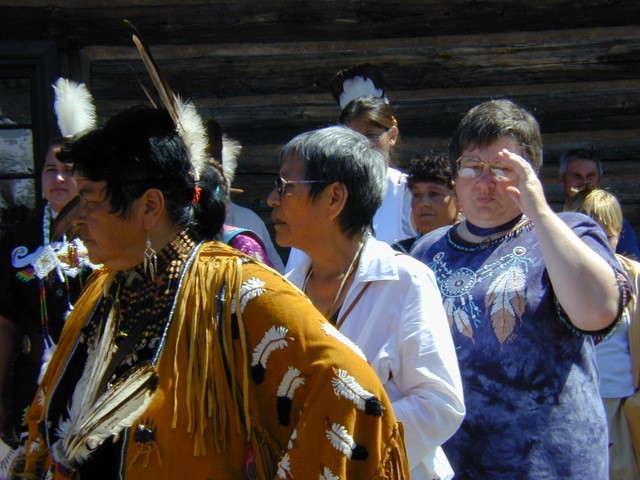
Freda McDonald (middle) As the mother of seven children, one of whom required lifelong support due to a disability, she balanced the needs of her family with her growing involvement in the community. Her living the culture led to her being recognized as an elder. Others recognized her wisdom and the truth in her teachings and her influence stretched beyond the local to provincial and national forums. Her years of research for her work at Fort William Historical Park had made her a recognized expert in Ojibwa culture. Freda understood the significant connection between culture and healing, and so she was committed to helping Beendigen help women live lives free from violence. She belonged to Beendigen’s Bapiin Drum Group which drummed monthly for residents at the Crisis Home as well as performing at various Beendigen events. Freda also served on the Lakehead University Elders Council from 2006 to 2017. Freda was one of six elders invited to form the Elder’s Advisory Council for the City of Thunder Bay Aboriginal Liaison Office in 2010. [Yolanda Twance quote] Freda is credited with helping to lay the foundation for the accurate portrayal of indigenous culture and the important role of women within the fur trade society. For over 20 years at Fort William Historical Park she provided training to around 150 young people annually. Even more importantly, many Indigenous people today in positions of leadership in Thunder Bay and elsewhere recognize Freda McDonald as a mentor. Freda McDonald passed away on January 1st, 2018 at the age of 85, embodying the Seven Grandfather teachings. Her life was lived with Humility, Bravery, Honesty, Wisdom, Truth, Respect and Love.
Freda McDonald (middle) SourcesFrom the Hands of a Master - Charles Wilkins, Canadian Geographic May- June 1994 Culture wasn’t art; it was survival - Charles Wilkins Chronicle Journal May 20, 2000 page A3 Obituary Chronicle Journal January 4th, 2018 page B7 |
| Dolores Wawia (Muk Ke Queh) |
|
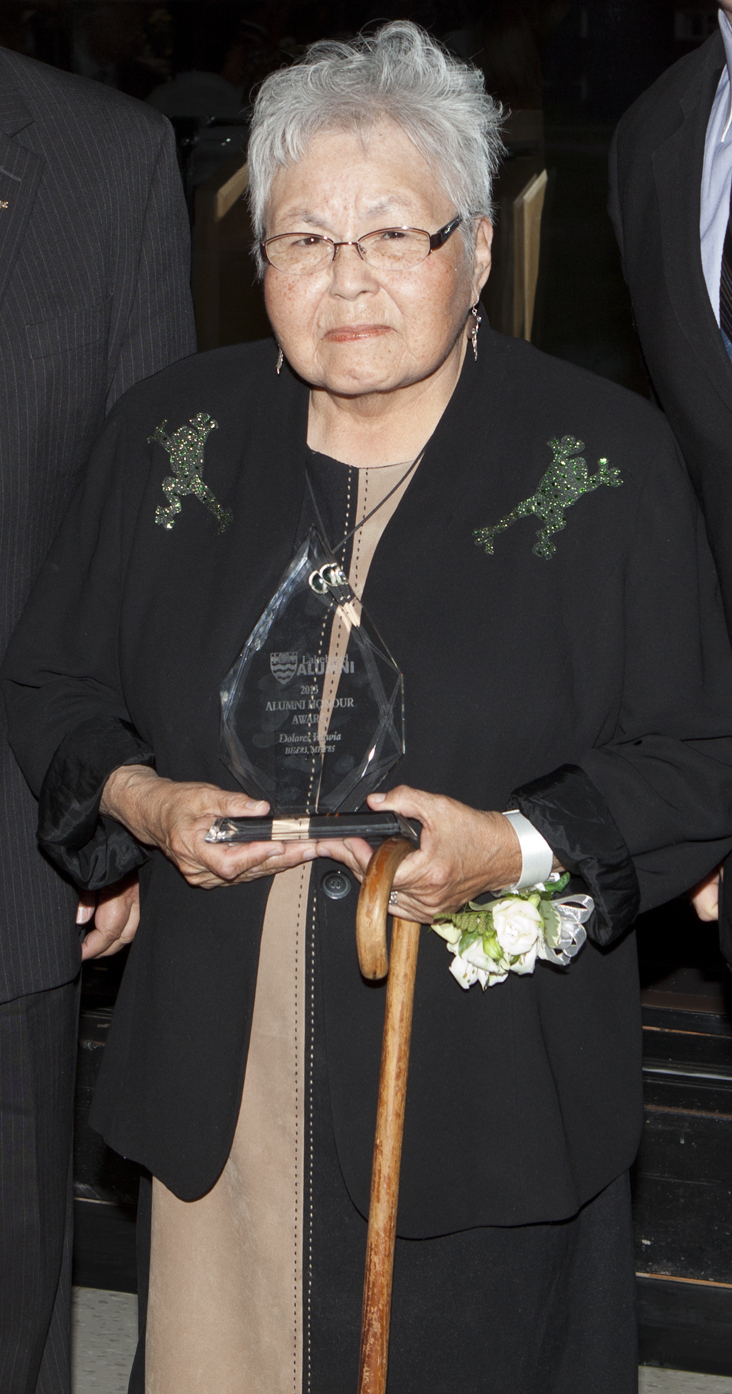
Dolores Wawia receiving an Alumni Honour Award from Lakehead University in 2013
When Dolores Wawia began her studies at Lakehead University, there were a total of three First Nations students, and Native Education was nothing more than a concept. Today, there are over one thousand First Nations students at the university, and, thanks to Dolores, there has been a continuously developing Native Teacher Education Program since 1975, the first of its kind in Ontario.[i] Dolores has spent a lifetime developing and promoting Aboriginal education, with numerous achievements in the area. In 1975, Dolores, Harold Linklater, and Walter Linklator created the Native Education Committee, which worked to improve educational opportunities for First Nation students and voluntarily taught workshops for educators. It also lead to the formation of the Aboriginal Education Advisory Committee (AEAC) in 2004. In 1984, Dolores implemented the first Native studies course called Contemporary Issues in Native Education, and, from 1994 to 1996, she helped McMaster University implement an Indigenous Studies Program.[ii] On a personal level, Wawia is the first Aboriginal woman to earn her Bachelor of Arts and a Masters of Education in northwestern Ontario, which inspired her siblings to do the same: “There are six of us with fifteen degrees, and they’re all gainfully employed. That’s because I did it. I was the first one, and one brother said if she can do it, so can I.”[iii] She has been awarded the Order of Ontario and the Lakehead Alumni Honour Award for her work as a pioneer in Native education. “Dolores has received many awards and accolades as a result of her volunteer work. She is the first female Indigenous Emerita in North America. She is an inspiration in her dedication to making things better for Indigenous children, youth, and community. Dolores is a mentor, guide, advocate and ground breaker in the area in Indigenous education. The relationships she has built in our community are foundational to Truth and Reconciliation. Her selfless, life-long work has made enriched our community and has facilitated the healing between Indigenous and non-indigenous people that make our city, our region and our country a better place for all Canadians.” – Sherri-Lynne Pharand [i] Garrick, Rick. 2013. "Honoured Alumna ‘Walking History Book’". Anishinabeknews.Ca. http://anishinabeknews.ca/2013/06/19/dolores-wawia-alumni-honour-award/. [ii] Pharand, Sherri-Lynne, email to City of Thunder Bay Archives. July 9, 2019. [iii] Garrick, “Honoured Alumna.” |
| Eunice Wishart |
|
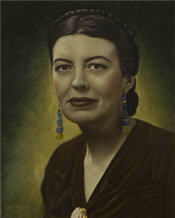
Painting of Eunice Wishart
In 1948, Eunice Wishart made local history when she became Port Arthur’s first female alderman and the city’s first woman to be granted the position of acting mayor. She continued to make history in 1956 as Port Arthur’s first female mayor. Eunice Marian Knight was born in Utica, New York in 1898, and moved to Port Arthur (around 1904) as a young girl to live with her aunt and uncle after the death of her parents. In 1922 she married John Wishart, and in 1940 she started to make her way into politics by running for alderman (placing thirteenth out of fifteen; in 1948, she placed fourth out of twenty). Upon her election as alderman in 1948, Wishart declared, “I felt for a long time there was a place on the council for a woman’s outlook.”[i] She was known for her ability to always be in the centre of a controversy, and she was determined to make a place for women in politics. During her time as mayor, Wishart implemented many positive changes in the city, such as developing a civic reserve fund, implementing cheaper parking, acquiring a squatters’ area beside Lake Superior, constructing a sewage disposal plant, beginning the reassessment of property values, and securing cheap natural gasoline for the city.[ii] She was in office for three terms before retiring from politics “to give the men a chance.”[iii] Outside of politics, Wishart was also deeply involved in her community as a member of multiple organizations. She was the director of many committees, including Port Arthur Cancer Unit, the YMCA, the John Howard Society, and Canadian Children’s Health League. During the Second World War, she served as a chairperson on the women’s committee of the Wartime Prices and Trade Board, and a member of the Dependents Allowance Board. As an advocator of women, Wishart was the Vice-President of the National Council of Women, the Convener of Economics for the Provincial Council of Women for Ontario, a member of the Fort William – Port Arthur Soroptimists, and director of the Canadian Tourist Association and Women’s Institute. Wishart believed “that as women receive added privileges, they assume added responsibility,”[iv] and she portrayed that belief in her own life through her participation and dedication in various organizations. [i] "Happy and Humble, Says Mrs. Wishart; Expects Respect,” Port Arthur Daily News (1948). Accession 8720-01, Series 494. Courtesy of the City of Thunder Bay Archives. [ii] "Mayor Eunice Marian Wishart." Port Arthur Mayors. Accessed July 16, 2019. https://www.thunderbay.ca/en/city-hall/mayor-eunice-marian-wishart.aspx. [iii] Clare, John, and Peter Newman. "Backstage With Women in Politics." Maclean's, January 3, 1959, 3. [iv] "Mrs. Wishart to Run For Alderman,” Port Arthur Daily New (1947). Accession 8720-01, Series 494. Courtesy of the City of Thunder Bay Archives. |

2018 Women's History Month
| Sheila Burnford |
|
Sheila Burnford
Sheila Burnford is best known for writing The Incredible Journey, which was published in 1961. The Walt Disney film adaptation was released in 1963, making the book an even bigger success. However, there was a great deal more to her life than this one book. She was born Sheila Philip Cochrane Every in Scotland in 1918. She was educated in boarding schools throughout England and Europe (including a year in Germany as Hitler took power). She was one of the first women in Scotland to receive her Aviation Certificate. During the Second World War she worked as an ambulance attendant and driver. She married Dr. David Burnford in 1941. They had three daughters: Peronelle, Jonquil and Juliet. In 1948, the Burnford family immigrated to Canada, settling in Port Arthur, Ontario (now Thunder Bay). Sheila loved the great outdoors, particularly walking and hunting. She became friends with local artist Susan Ross. The two shared an interest in the lives of indigenous people and they inspired each other in creative endeavours. Both Sheila and Susan were members of the Port Arthur Puppetry Club. It was during her time with the Club that Sheila began writing – scripts at first and then articles describing life in Northwestern Ontario for English magazines and newspapers such as Punch and the Glasgow Herald. Sheila was a great animal lover, although she always said she had a practical view of them. After the death of her Bullterrier, Bill (who had kept her company during the Blitz in the Second World War), she decided to write a book, in part to memorialize him. That book became The Incredible Journey. The animals in the book were based on the personalities of her own animals. In addition to Bill, she had a Siamese cat (Simon) and a Golden Labrador (Raimie). She researched incidents similar to the ones in the book and used the area around her home and cottage (Loon Lake) to describe the terrain. The book was an international bestseller and was eventually translated into more than 17 languages. It would win a number of awards, including the Canadian Library Association Book of the Year for Children Award (1963) and the Aurianne Award (1963). In 1963 the Walt Disney adaptation of the film was released. The premiere of the film was held in Port Arthur with over 10,000 people lining the streets for the parade preceding the showing. Actors from the film and the film’s director, Fletcher Markle, attended the premiere. Although the book was based in Northwestern Ontario, it was actually filmed in the Toronto area. In 1964, Sheila published her second book, The Fields of Noon, a collection of essays on life in Northwestern Ontario. It included a number of essays that had previously been published in English periodicals. In the late 1960s, Sheila and Susan Ross spent a great deal of time visiting native reserves in Northwestern Ontario. Both women had long held interest in native life and found the opportunity to actually learn about native life to be irresistible. While there, Susan Ross drew sketches of the people and Sheila observed. As a result of these visits, Sheila published Without Reserve (1969), using some of Susan Ross’s drawings as illustrations. Sheila and Susan next travelled up to Pond Inlet and experienced the life of the Inuit, including travelling by dog sled to see the narwhal. From this experience came One Woman’s Arctic (1972). This book also included illustrations by Susan Ross. The Incredible Journey was acclaimed as a children’s book, even though Sheila herself did not think of it as a children’s book. In 1973, she published an actual children’s book, Mr. Noah and the Second Flood. The story focused on the impact of consumerism and waste on the planet. Sheila’s last book, Bel Ria: Dog of War (1978), was the story of a little dog caught up in the horrors of the Second World War. In writing the book, she drew upon her own experiences in the Blitz and used research to maintain authenticity. In 1984 Sheila Burnford died of lung cancer. She had moved back to England to live with her second husband, Dr. J.D. Loughborough. In 2017, a documentary of her life, Long Walk Home: The Incredible Journey of Sheila Burnford, was released by Sheba Films. Submitted by: Kelly Saxberg, Sheba Films
Sheila Burnford |
| Sister Leila Greco |
|
Sister Leila Greco
Leila Greco was born in Sault Ste. Marie, Ontario, July 3, 1929. She graduated as an RN from St. Michael’s Hospital, Toronto, in 1954 and entered the Sisters of St. Joseph of Sault Ste. Marie that same year. Sister Leila Greco graduated with her BScN in 1963. She served from 1955-1967 in North Bay, Blind River, Elliot Lake and Sudbury in various nursing and supervisory positions. In 1967 Sister Leila was appointed as Assistant Administrator at St. Joseph’s Hospital, Port Arthur (Thunder Bay) and from 1968 - 1978 as Administrator. In 1979 Sister Leila was appointed Executive Director of St. Joseph’s Hospital and of St. Joseph’s Heritage, Thunder Bay. The Heritage was the result of Sr. Leila’s creative vision that led to the unique concept of “a place for all seasons” - an apartment complex, a nursing home, recreational facilities, services for seniors and fine dining in the Georgian Room, all within one building. This innovative model was intended to give residents a richness of care far ahead of that which so many of their contemporaries would be experiencing. St. Joseph’s Heritage was quickly filled to capacity and became a futuristic model for seniors’ care within Canada. Without the spirit, dedication, hard work and vision of Sister Leila, St. Joseph’s Heritage would never have been built. Sister Leila was often described as “a force, a mighty force.” It was that force which built the Heritage. In 2012 a non-profit supportive housing apartment complex in Thunder Bay was named the Sister Leila Greco Apartments in recognition of her vision and commitment to excellence. It is believed that this centre of excellence, sponsored by St. Joseph’s Care Group, Thunder Bay, will continue to maintain Sister Leila’s original vision of integrated support for seniors. Sister Leila Greco passed away on September 17, 2012 at St. Joseph’s Motherhouse, North Bay. Sister Leila will be remembered as a woman of strong faith who lived the beatitudes. Always, the needs of others came before her own, and her capacity for giving was unbounded. Submitted by St. Joseph's Foundation of Thunder Bay
Sister Leila Greco on June14, 1976
Sister Leila Greco in 2009
Sister Leila Greco in 2012 |
| Elsie MacGill |
|
Elsie MacGill, Queen of the Hurricanes. Photo courtesy of Royal Aviation Museum of Western Canada
Heritage Minute: Elsie MacGill, courtesy of Historica Canada
Known as “Queen of the Hurricanes,” aeronautical engineer and staunch feminist Elizabeth “Elsie” Muriel Gregory MacGill was the world’s first female aeronautical engineer and aircraft designer. She became chief aeronautical engineer of Canadian Car & Foundry (Can Car) in 1938 in Fort William, where she headed the Canadian production of Hawker Hurricane fighter planes during the Second World War. She was the first female graduate of electrical engineering at the University of Toronto (1927), and the first woman to earn her master’s degree in aeronautical engineering (1929). Elsie, an active Canadian feminist, was national president of the Canadian Federation of Business and Professional Women’s Clubs (1962–64) and a member of the Royal Commission on the Status of Women in Canada (1967–70). After graduating with her first degree, Elsie worked as a mechanical engineer with an automobile company in Pontiac, Michigan. The company soon began to make airplanes, leading her to study aeronautics at the University of Michigan, and later, after recovering from polio, at the Massachusetts Institute of Technology. She returned to Canada in 1934 to work as an assistant aeronautical engineer at Fairchild Aircraft Ltd. in Longueuil, Québec. Working on a variety of aircraft designs, Elsie also developed professional relationships with National Research Council of Canada staff in Ottawa, and even took to the skies while participating in test flights. In 1938, Elsie took on the job of chief aeronautical engineer at Canadian Car & Foundry (Can Car) in Fort William. Her application for membership in the Engineering Institute of Canada was also accepted that year, and she became the first female member. At Can Car, Elsie took on many projects, such as designing, building and testing the Maple Leaf II Trainer. She re-engineered the plane, based on a previous model, and brought it to aerial testing. It never went into full production in Canada, but is recognized as the first aircraft designed and built by a woman. Elsie also retooled the Can Car plant for mass production of the Hawker Hurricane, one of the main fighters used in the Battle of Britain. Holding this top position during wartime, she soon attracted media attention. The American True Comics series dubbed her “Queen of the Hurricanes” in a story published in 1942.
Elsie MacGill, 1946. Photo courtesy of Library and Archives Canada Between 1938 and 1943, Elsie oversaw the production of 1,451 Hawker Hurricane fighter planes, and even the first successfully winterized high-speed aircraft with skis and de-icing equipment. In 1943, she oversaw retooling of the plant to produce the American Curtiss-Wright Helldiver, a plane also known as “The Beast”. Elsie and plant manager E. J. (William) Soulsby were challenged with several design changes, and for reasons and circumstances that remain unclear, they both lost their jobs at Can Car. Elsie and E. J. got married shortly afterwards and moved to Toronto, where Elsie founded her own consulting engineering company and her husband became plant manager at Victory Aircraft Limited in Malton, Ontario. Elsie, who became an officer of the Order of Canada in 1971, died on Nov. 4, 1980 at the age of 75 while visiting her sister, Helen MacGill Hughes, in Cambridge, Massachusetts. During her impressive career, she remained active in her profession and as a feminist, strongly advocating for women being treated equally in the engineering field and elsewhere. She received many honorary doctorates from several universities, as well as honours and awards, including a Gold Medal from the Association of Professional Engineers Ontario – the association’s highest honour. In 2012, a Parks Canada plaque recognizing Elsie’s “remarkable contributions to aeronautical engineering” was hung at the Bombardier plant in Thunder Bay, the former site of Can Car. Submitted by Brigitte Petersen In 1999, Rosies of the North was produced by the National Film Board. The film tells the story of Elsie MacGill and other women who worked at Canadian Car and Foundry in Fort William during the second World War.
Elsie MacGill. Image courtesy of Queen's University Engineering Source: The Canadian Encyclopedia |
| West Algoma Equal Suffrage Association |
|
Formed in 1900, the West Algoma Equal Suffrage Association was an organization that lobbied for the voting rights of women in Port Arthur and Fort William. They were an affiliated society of the Local Council of Women of West Algoma and worked with the Ontario Woman Franchise Association and the Canadian Suffrage Association. Mrs. L. L. Peltier was president of the organization from 1910 to 1911 and was secretary in 1915. She was also president of the Women’s Patriotic Auxiliary, an organization that aided Canadian soldiers. From 1914 to 1916, Dr. Clara Todson was president of the West Algoma Equal Suffrage Association and a vice president in the Ontario Woman Franchise Association. In late 1914, Dr. Todson wrote to the mayor of Fort William asking if women could vote for school trustees. The mayor passed the question to the Department of Education, which referred them to the Public Schools Act, which defined a voter for school trustee as someone who was 21, a tax payer, and assessed as a school supporter. This meant that women in Ontario were allowed to vote for school trustees, if they met the criteria outlined in the Public Schools Act. Women were then encouraged in the local papers to vote for school trustees. Mrs. H. Sellers became one of the first female school trustees of the Port Arthur Board in 1915. The West Algoma Equal Suffrage Association had the cities of Fort William and Port Arthur hold plebiscites to gauge the public acceptance on women’s franchise. Positive results were presented to the provincial government to show that the voters of the cities were in favour of women’s franchise. On December 8, 1914 the City of Fort William passed By-law No. 1551, which authorized the question of women’s franchise to be voted on in the next city election. Port Arthur passed a similar By-law, No. 1317, on December 29, 1914. During the January 1915 elections, both cities voted in favour of extending municipal franchise to women. Similar plebiscites were held in municipalities across the province, and in April of 1917 franchise was granted to women in Ontario. Submitted by the City of Thunder Bay Archives
Mrs. Harry Sellers, one of the first female School Trustees of the Port Arthur Board in 1915. Image courtesy of the Thunder Bay Historical Museum Society
Mrs. L. L. Peltier, President of the West Algoma Equal Suffrage Association 1910 to 1911 and Secretary 1915. She was also president of the Women’s Patriotic Auxiliary. Image courtesy of the Thunder Bay Historical Museum Society.
Letterhead of the Ontario Woman Franchise Association. Image from the City of Thunder Bay Archives, TBA 5-25. West Algoma Equal Suffrage Association Stamp and Clara Todson’s Signature. Image from the City of Thunder Bay Archives, TBA 5-25.
Information Sources:
|
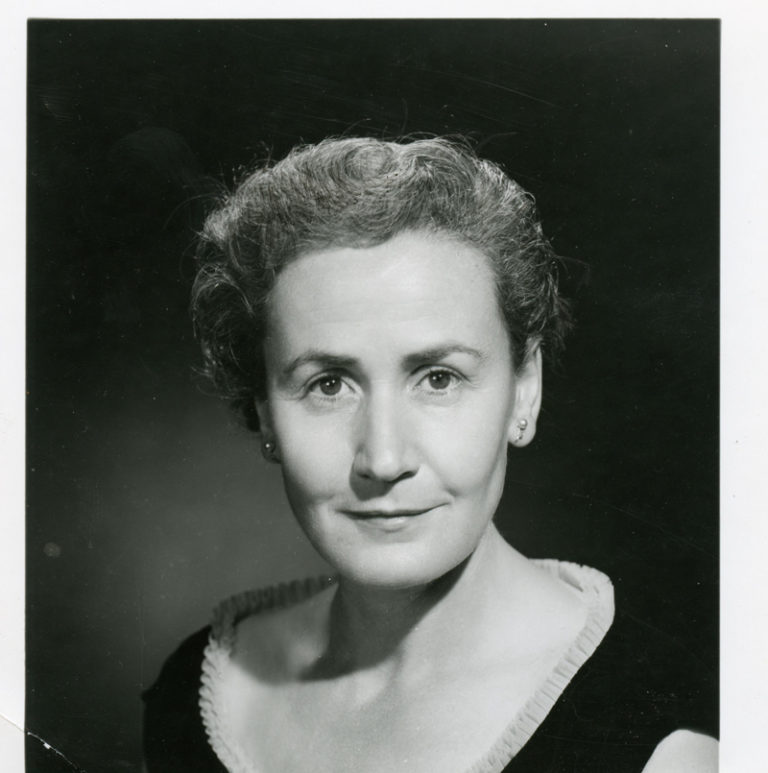
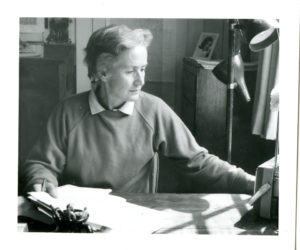
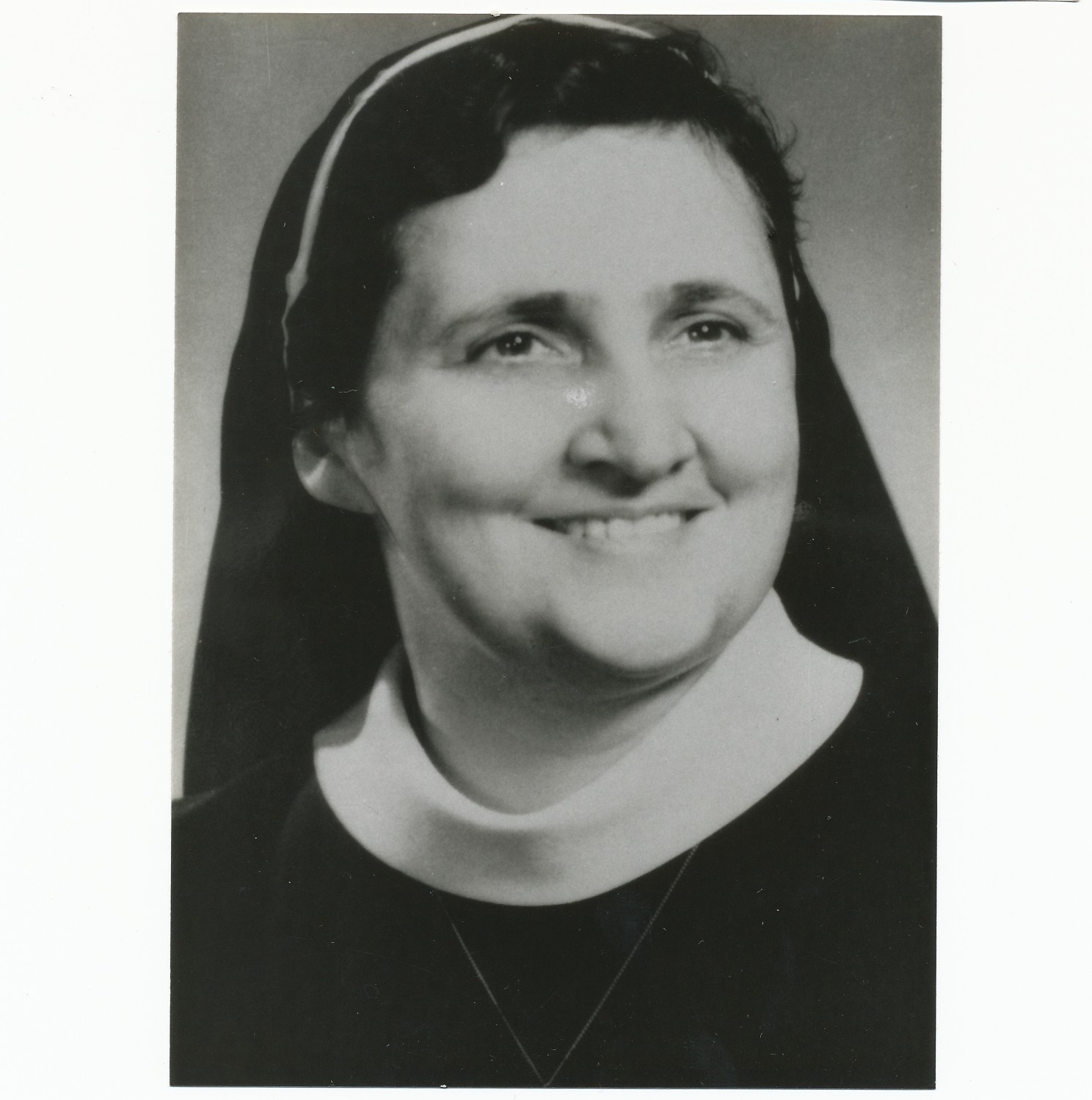
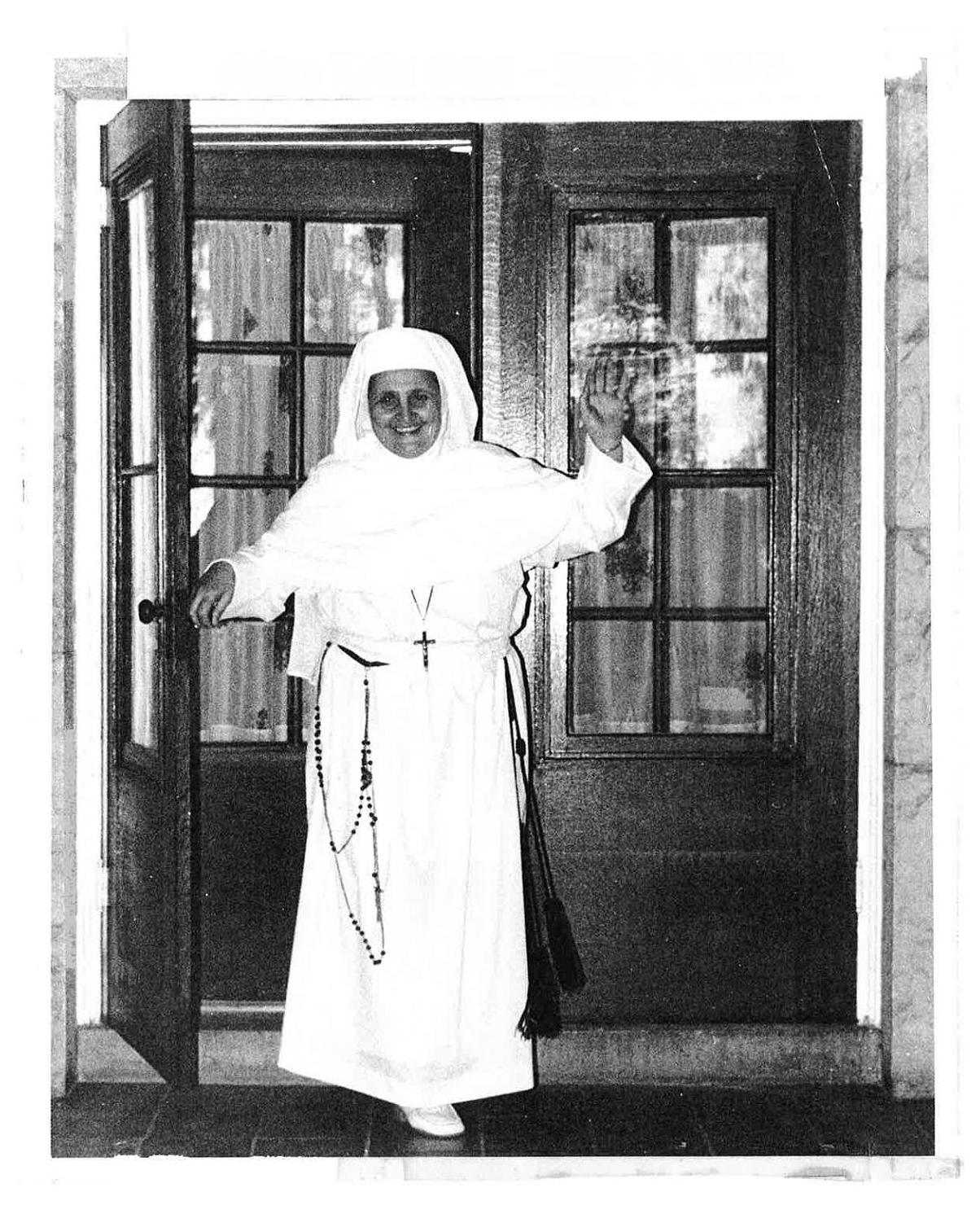
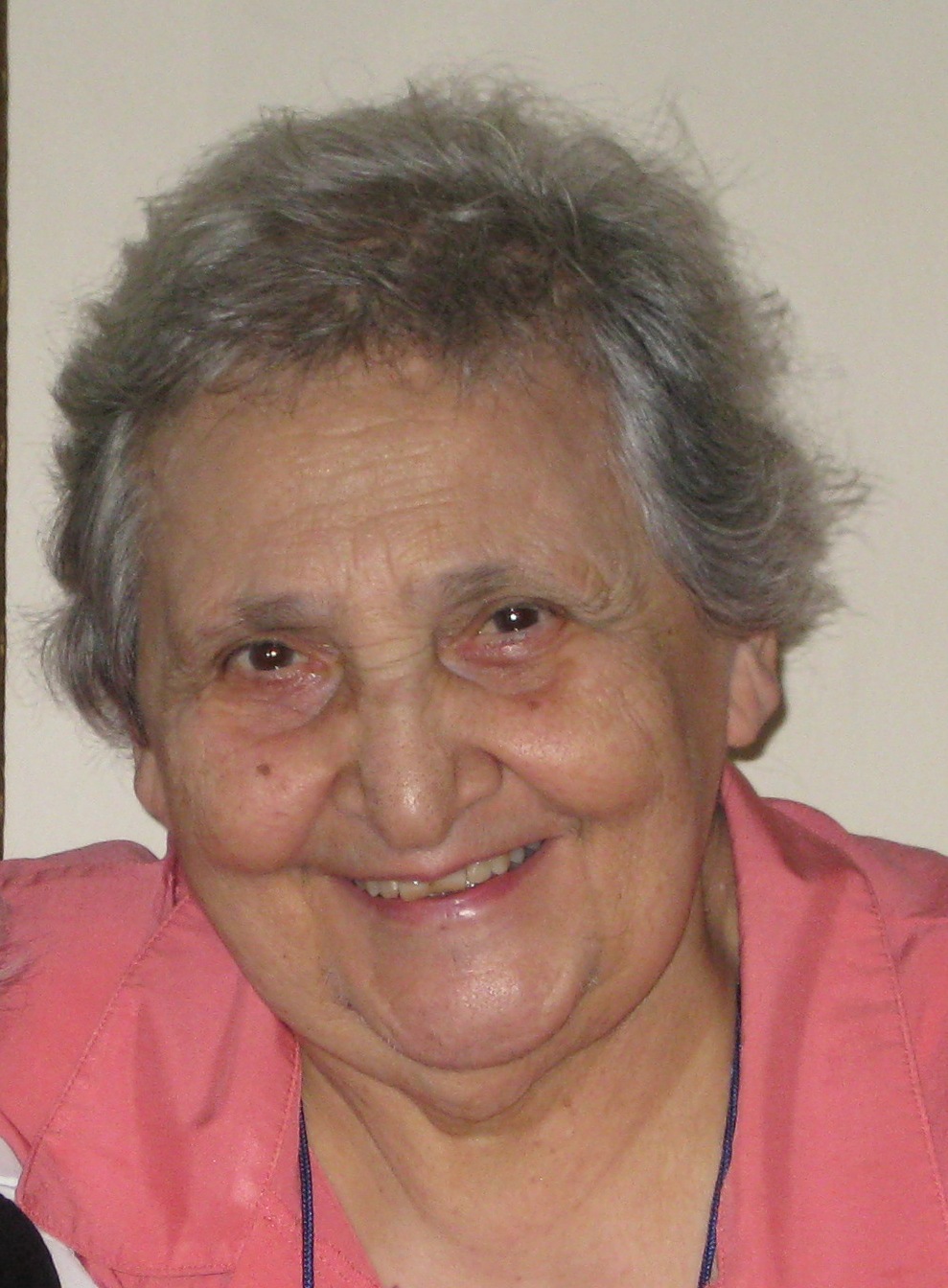

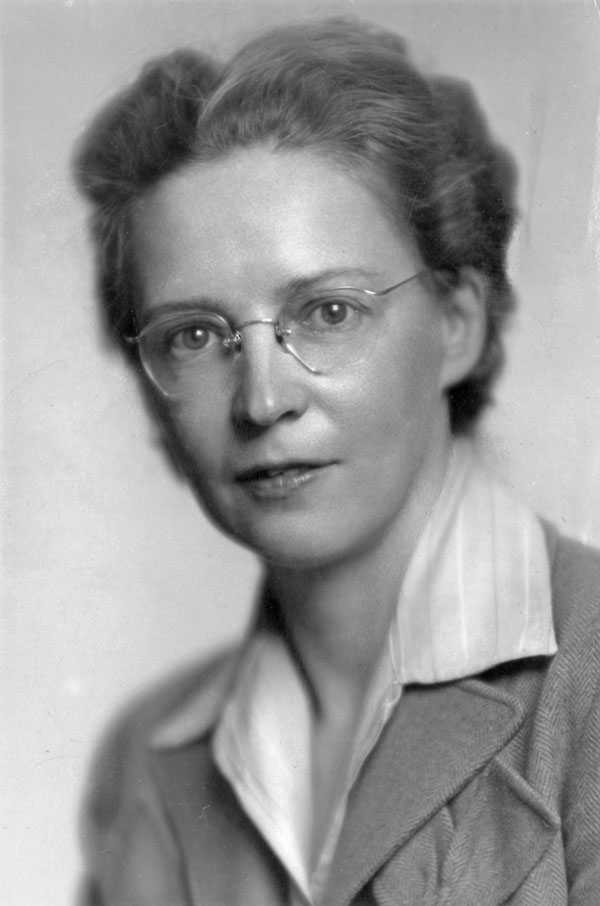
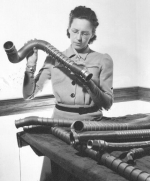
 Letterhead of the Canadian Suffrage Association. Image from the City of Thunder Bay Archives, TBA 5-25.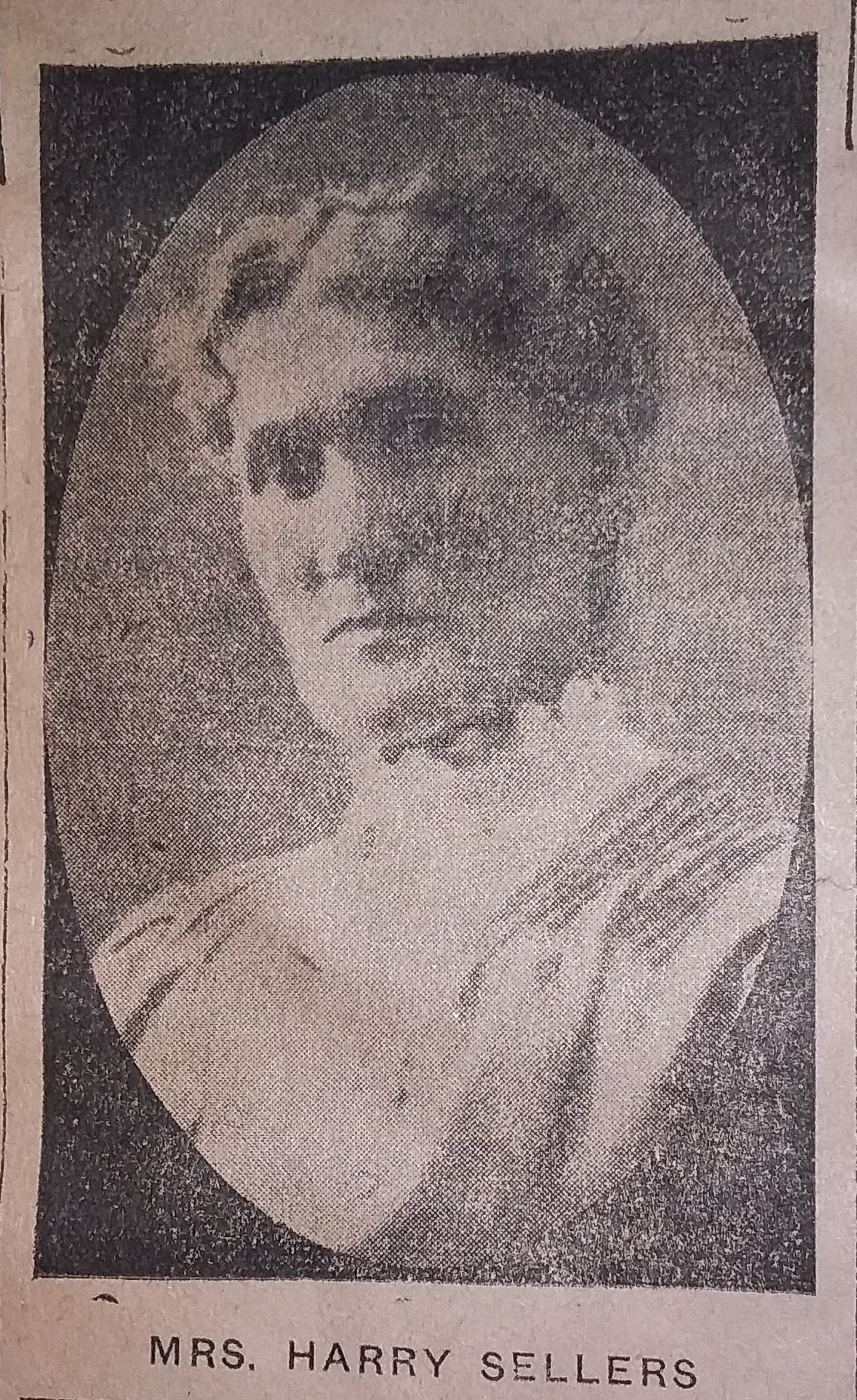
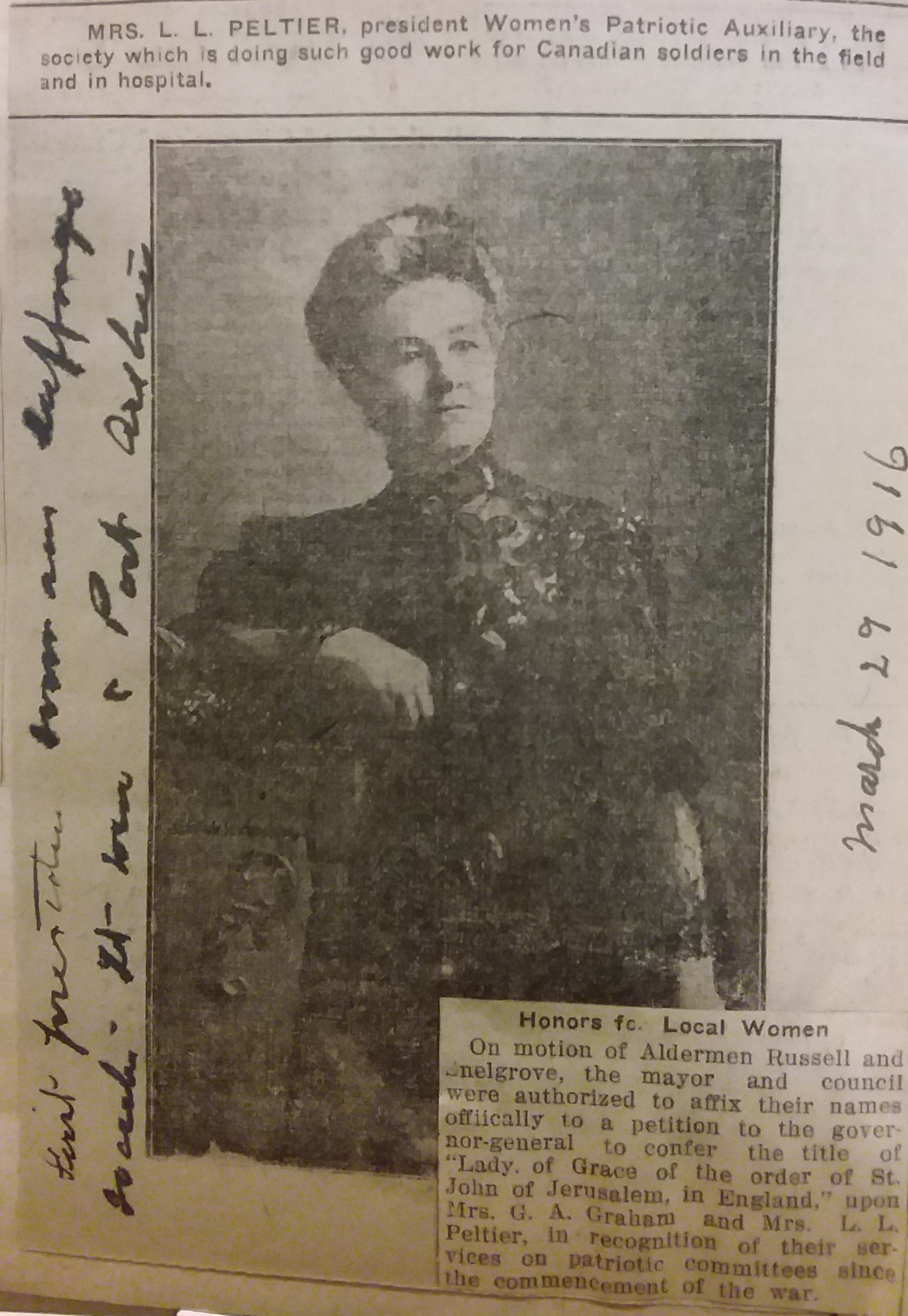
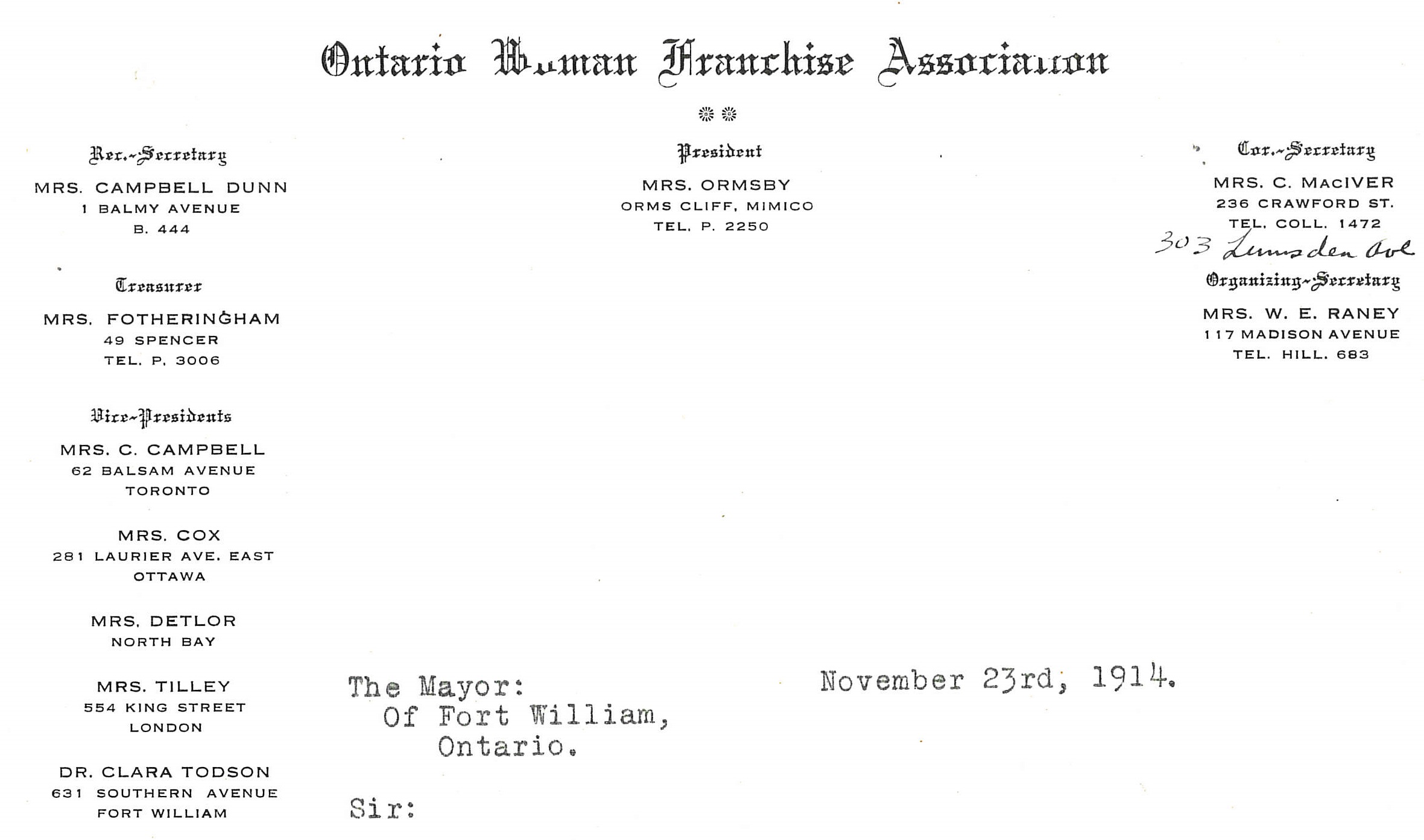
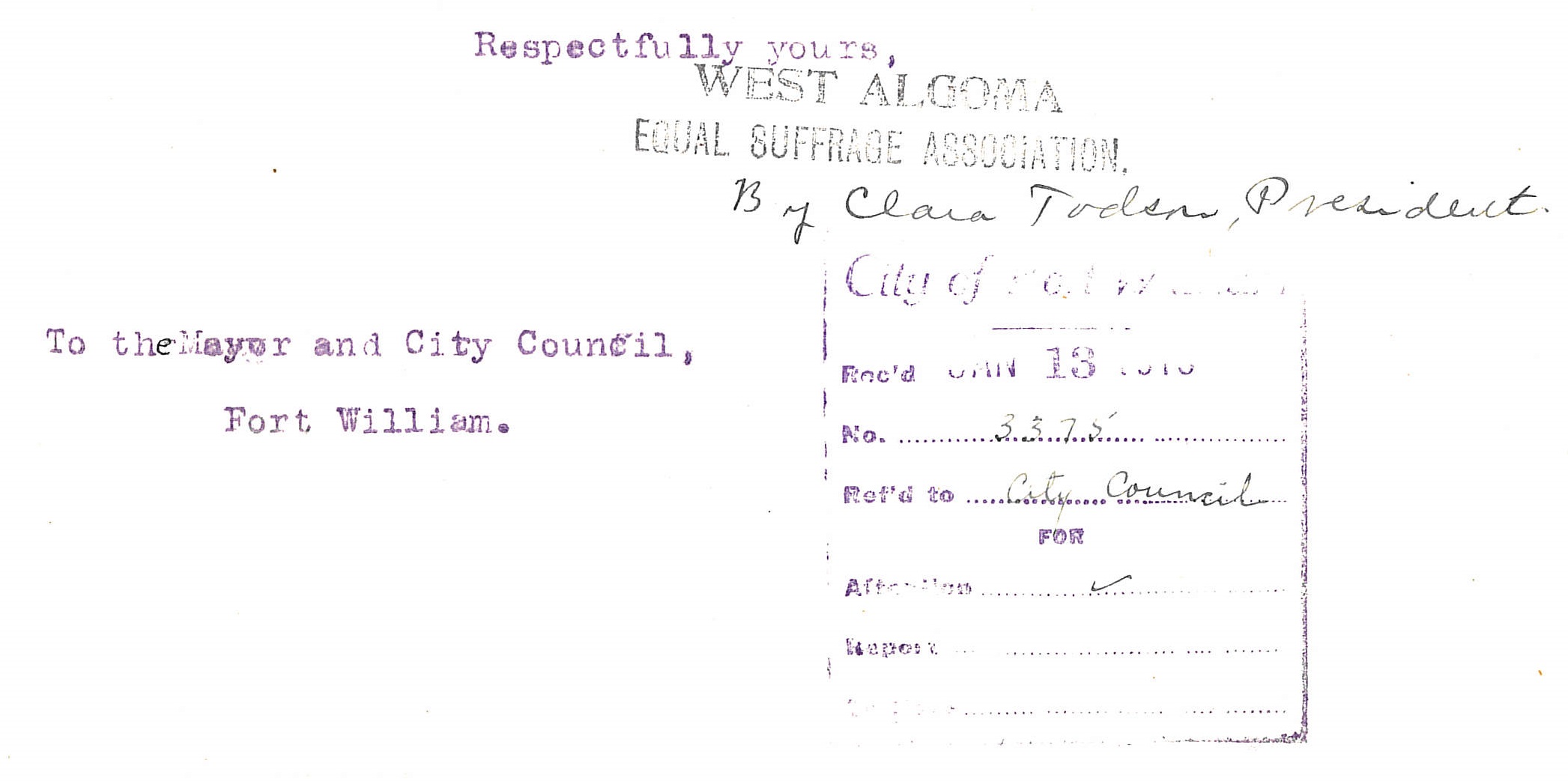
2017 Women's History Month
| Donna Gilhooly |
|
Donna Gilhooly (2004), photo courtesy of Maureen Brophy
Born and raised in Fort William, or more precisely Westfort, Donna graduated from the Ontario College of Agriculture (University of Guelph) with a Recreation Diploma in 1966. She started with the City of Fort William as the Assistant Recreation Director. In 1970, when Port Arthur and Fort William amalgamated to become the City of Thunder Bay, she was promoted to Manager of Community Recreation where she was responsible for a wide range of inclusive programmes and services including Older Adults, Arts and Heritage, Community Centres, Aquatics, Event-Hosting, Festivals, Community Programmes, Community Development, Volunteer Management and Integration Services. Donna has been a tireless champion in the field of recreation and community service. Not only was she a pioneer in the newly-emerging field of recreation in the mid to late 1960's, she was one of the few women leaders in the male-dominated environment of public administration in the second half of the 20th century. Innovation and creativity have been key factors in Donna's career. Building upon successful traditional recreation programs such as playgrounds, aquatics and sports, she continued to raise the bar through a community development approach that saw the implementation of unique programs and services. She transitioned the Recreation Division from a model of segregation to one of inclusive programs and services for people with disabilities. Integration Services and its primary program "Barrier Breakers" was recognized provincially and nationally and was a finalist for the 1990 National Gold Medal Award for Excellence in the field of Parks and Recreation Management from the National Parks and Recreation Association in the USA (1). Throughout the 1990's, communities across the country were struggling to increase accessibility to programs and services in their communities for families in need. Often means-testing was the only method available. Believing that all children benefit from participation, Donna founded Positive Recreation Opportunities for Kids (PRO Kids) which created a community-based solution that fostered both civic pride and facilitated opportunities to children and their families to participate in sport, culture and recreation without fees or equipment being a barrier. This innovative and flagship program won the Peter F. Drucker Award for Non-profit Innovation in 1999 (2). Today, over 200 community agencies donate participant spaces in programs to PRO Kids. In the 1990's, when arts and heritage organizations in the community identified a need for a voice and an advocate in the municipality, Donna created partnerships within these sectors and applied a community development approach. This resulted in the creation of a Municipal Cultural Policy - one of the first in Canada - which included a Cultural Granting program and a policy for Art in Public Spaces. The dedication of full time staffing to support the cultural policies and programs was evidence of her commitment to ensuring its success. Many of Donna's accomplishments have had a direct impact in the community at large. Most notable was her development of a shared governance platform for the 13 municipally-owned Community Centres. With volunteer boards of directors at each facility, she nurtured a sense of autonomy as well as ownership of the programs and services offered. In 1992, the newly-built Thunder Bay 55+ Centre won the Canadian Parks/Recreation Association Facility Excellence Award (3) and continues to be a model of good governance to this day. Another example of Donna's active approach to community driven issues is the initiative she took to preserve the historic C.W. Parker Carousel, located at Chippewa Park. Because of her intervention, it is now a Designated Historical Structure. Her community development processes have helped to create a strong sense of well-being for the citizens of Thunder Bay. By building effective partnerships between sectors such as recreation, health, education, economic development, social services, volunteer agencies, tourism, and culture, she facilitated the development of services that have endured. Some examples include:
Since her retirement in 2000, she has been focused on provincial contributions that continue to demonstrate her leadership, as follows:
Donna's life-long commitment and efforts to develop such public recreation and cultural services is rooted in her integrity, values, belief in community, accessibility and inclusivity for all. Her leadership and mentorship helped pave the way for many young women to advance in recreation and in the public sector in general. Submitted by: Maureen Brophy, Madeleine Platana, Lil Bergamo Footnotes: 1. 1990 National Gold Medal Award for Excellence in the field of Parks and Recreation Management from the National Parks and Recreation Association in the USA - located in Recreation and Culture Division Office 2. 1999 Peter F. Drucker Award for Non-Profit Innovation - located in Recreation and Culture Division Office 3. 1992 Canadian Parks/Recreation Association Facility Excellence Award - located in Thunder Bay 55+ Centre. National Recognition for Brilliant Idea |
| Susan Ross |
|
Photo of Susan Ross, courtesy of Sharon Irvine
Susan Ross has been a noted artist, especially through her paintings and intaglio prints for the decades from 1940 until 2000. Born in Port Arthur, the influence of the Northwestern Ontario landscape was deeply rooted in her. The First Nations people who lived on the land in the area always captured her interest, and it was their close relationship to the land she recognized. Through her paintings and intaglio prints she was also able to capture the traditional Aboriginal way of life. After being educated in Port Arthur schools, she proceeded to study at the Ontario College of Art in Toronto. While there, she met James Ross, a young lawyer whom she later married. They came back to Port Arthur to establish their home and raise their children. Later, James Ross was appointed Judge of the District Court of the District of Thunder Bay, and this privilege afforded Susan a freedom to pursue her career in art more extensively than was previously possible for her. Her camping experiences at Whitefish Lake near Thunder Bay introduced her to the First Nation people harvesting wild rice there. This contact with First Nation people as well as her encounter with renowned Native Artist Norval Morrisseau initiated further friendships with the people of Gull Bay, Lake Nipigon, and Big Trout Lake. Her paintings from those areas capture the life on the land of Northern Ontario. In the decades between 1960 and 1980, Susan Ross instructed herself in printmaking. This added skill, along with her new friendship with the noted author Sheila Burnford advanced a collaboration of producing illustrated books about the north. Together they obtained Canada Council Grants which allowed them to travel to the arctic regions of Canada, namely Pond Inlet, Coppermine, Holman Island, Cape Dorset, Pangnirtung and Rae Edzo. The nurses in this far flung area offered them not only accommodation at the nursing stations, but also introductions to the people of the land. Through these contacts, Susan Ross was able to observe the real life situations of the people rather than merely see a tourist view. The resulting friendships with the nurses continued for many years because of their mutual, genuine interest of the Indigenous people of the Arctic. "Painting is a way of life," Susan said. She was always a generous advocate to Thunder Bay artists as she involved herself in their workshops and associations. During her many visits to the Arctic, as well as during her work the First Nations life in Northern Ontario, Susan Ross was able to create works of art which reflected not only the people through her portraiture, but, more importantly, her work reflected the people's intrinsic relationship to the land. Susan Ross was named a member of the Order of Canada in 2001. Her works can be found in the following collections: Art Gallery of Peterborough, Confederation College in Thunder Bay, Lakehead University in Thunder Bay, Ontario Institute for Studies in Education, Province of Ontario Art Collection, Robert McLaughlin Galley in Ottawa, Thunder Bay Historical Museum, Thunder Bay Art Gallery, Tom Thompson Gallery in Owen Sound, The Winnipeg Art Gallery. There are many private collections of her work as well. Thank you to the Thunder Bay Art Gallery, The Thunder Bay Museum, and Sharon Irvine for sharing this information. Submitted by Susan E.B. Simonsen |
| Jane Wink |
|
Signature of J. Wink from the 1909 Port Arthur Public Library Board Meeting Minutes. Courtesy of Thunder Bay Public Library
The daughter of Reverend James Herald and Jane Barclay, Jeanie S. Wink immigrated to Canada in 1858, married Alexander Stronach Wink in 1873 and had three children. Jeanie brought many years of experience to her new career upon receiving the position of librarian for the Port Arthur Library (now the Waverley branch of the Thunder Bay Public Library) in 1903. Following the transition of the Port Arthur Library to a free public library in 1911, Jeanie worked to move the library to the Ruttan Block (1913) due to its previous premises being deemed unsafe and a potential fire trap. By this time the library board was debating the idea of and available options for a dedicated library building. Jeanie became President of the Western Library Institute in 1917, which covered the areas of Port Arthur, Fort William, Kenora, Rainy River, Sault Ste Marie, Schreiber, Fort Frances, and Emo. She delivered a welcome address during the July 1917 Library Institute Session held at the Fort William Public Library (now the Brodie Resource Library) in which she "outlined needs of small libraries in selection...[and how] local condition determined the choice of such, also that there should be a variety for all classes in the community." Jeanie Wink retired from the library in September 1921. She was a regular member of the St. John's Anglican Church and at the time of her death was the Honorary President of the Women's Auxiliary. She was also a member of the St. John's Women's Guild and sat on the executive of the St. John's Girl Guides. During the 25 plus years she lived in Port Arthur she became one of its best known residents and professionals. Submitted by Thunder Bay Public Library |
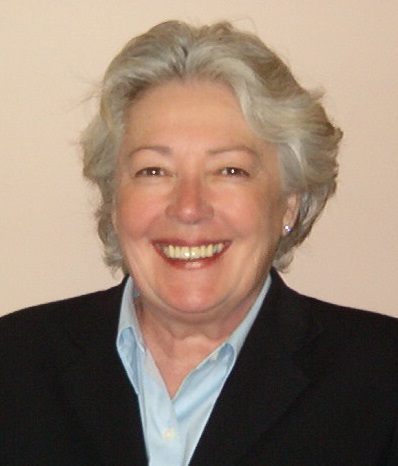
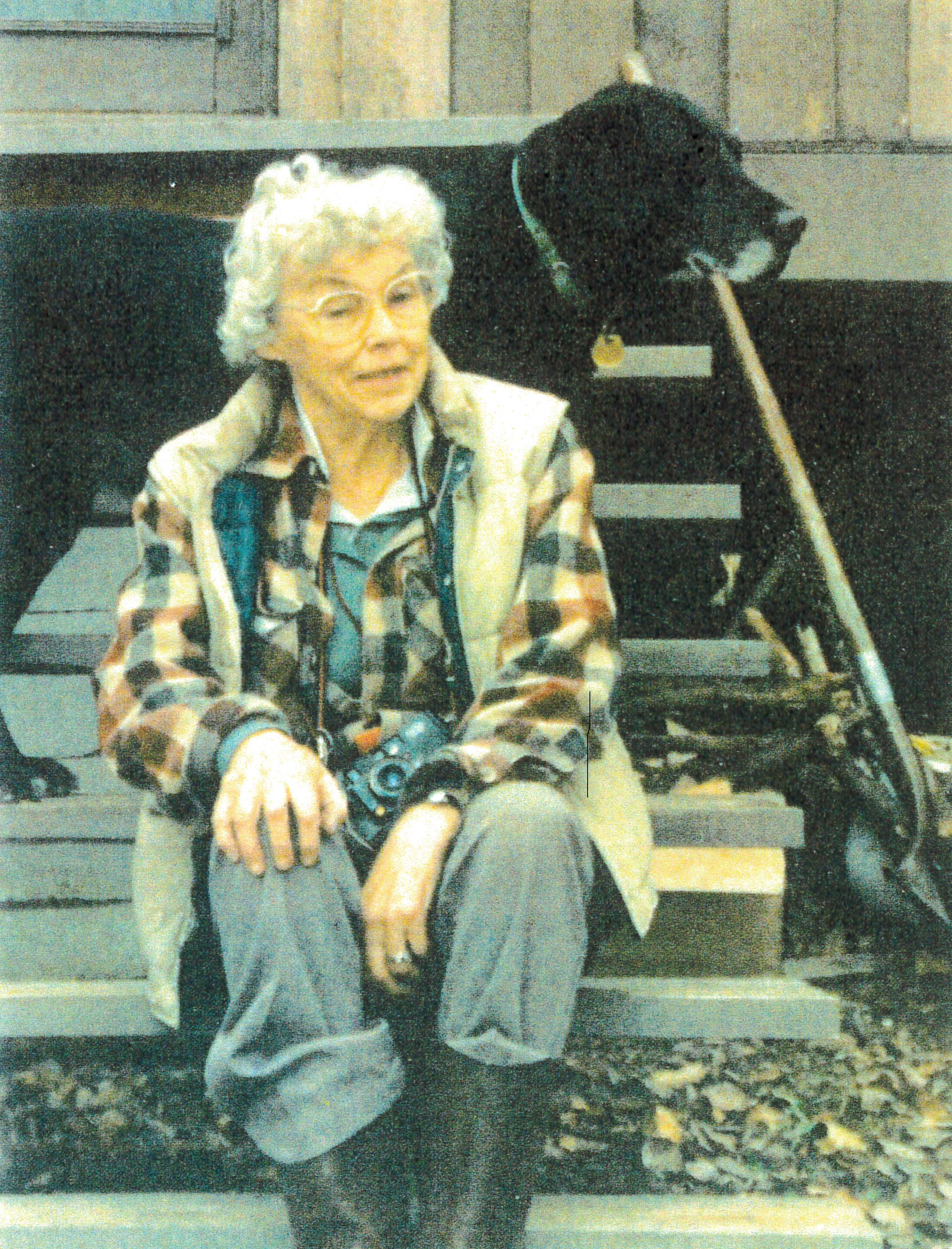
2016 Women's History Month
| Mary Riter Hamilton |
|
Mary Riter Hamilton (1867 - 1954) was the daughter of John and Charity Riter (née Zimmerman). Her husband Charles Watson Hamilton (1863-1893) was born in Cincinnati, Ohio and was the son of Alexander and May Hamilton (née Warnock). Mary and Charles are interred in Riverside Cemetery in Thunder Bay. Everyone has made important life decisions, some for better or worse. For artist Mary Riter Hamilton, deciding to never sell her First World War battlefield paintings was one of her most important life decisions. She had been refused the status of becoming a war artist during the First World War simply because she was a woman, and could have packed up her paints and given up. She persevered and with the assistance of funding from the War Amputations Club of British Columbia (now War Amps) she was able to travel to France in 1919 at the age of 50 to begin her work. In blistering sun, torrential rain and storms, she feverishly created paintings of the muddy battlefields, cemeteries and ruined towns in France and Belgium. Seeking shelter in a tin hut and even a German pillbox, she existed for three years on food from generous farmers and desperately avoided the life-threatening unexploded bombs and mines that remained. She painted on canvasses she brought with her, and when those ran out she painted on whatever she could find available, such as the backs of signs and wood chunks to create 227 paintings. In one painting in particular she conveyed renewal and rebirth, as depicted by the red poppies growing among the trenches in Trenches on the Somme. She decided to donate her battlefield paintings to the National Archives of Canada in honour of those who served, and never sold any of them. In a 1926 article in the Toronto Star Weekly, she felt she performed a service of incalculable value not only for the soldiers but for the Dominion of Canada, and to sell any of them would have been a betrayal of sacred trust. "If I starved, the veterans would still have the pictures," she said. So what was her connection to Thunder Bay? Born in Teeswater, Ontario in 1867, she moved to Port Arthur, Ontario (now Thunder Bay) after her marriage in 1889 to Charles Hamilton and they operated a dry goods store. Unfortunately, they lost a child in infancy in 1892 and Charles died in 1893. After these personal losses, she decided to develop her skills as an artist and eventually moved to Europe. By 1911 she had returned to Canada. At the time of her death in Vancouver in 1954, she bequeathed a painting of a mother nursing a child called Maternity to the city of Port Arthur. The painting was created in France in 1906 and is in memory of the child she lost in Port Arthur. Maternity is prominently displayed in Thunder Bay City Hall. It is a reminder of an independent woman who persevered to create the work she felt was important to do and preserve for the veterans and citizens of Canada. Submitted by: David Nicholson
|
| Lyn McLeod |
|
Photo: Thunder Bay Historical Museum
Lyn McLeod was a former MPP for the Fort William riding and the first woman to be an elected leader of an Ontario political party. Lyn McLeod holds a B.A. from the University of Manitoba and an M.A. in Psychology from Lakehead University. McLeod first moved to Thunder Bay in 1968. Before her career in Provincial Parliament, McLeod was the trustee on the Lakehead Board of Education for seventeen years and its chair for seven. McLeod was also appointed to the Lakehead University Board of Governors in 1986. Lyn McLeod served in the Legislative Assembly of Ontario from 1987 - 2003. She was first elected to the riding of Fort William in the provincial election of 1987 and was a cabinet minister in the Liberal government of David Peterson from 1987 - 1990. McLeod was appointed Minister of Colleges and Universities in 1987 and was named Minister of Energy and Minister of Natural Resources in 1989. After Peterson's resignation, McLeod became the leader of the Ontario Liberal Party from 1992 - 1996. Following her leadership in the Liberal Party, McLeod was re-elected in 1999 in the redistributed riding of Thunder Bay-Atitkokan. McLeod did not seek re-election in 2003; however, she continued to be actively involved in community work around the issues of education and health care. Following her retirement in 2003, McLeod held several roles including the Ontario government representative on the Health Council of Canada, Chair of the Ontario Health Quality Council, and Vice-Chair of the Ontario Power Authority Board of Directors. She was the first chancellor of the University of Ontario Institute of Technology (UOIT) from 2004 - 2008 and was on the Confederation College Board of Governors from 2003 - 2008. She received a Doctor of Laws honorary degree from UOIT in 2010 and in 2014 McLeod was made a member of the Order of Ontario in recognition for having devoted her career to public service.
Chronicle Journal November 6, 1978
Chronicle Journal January 2, 2004 Submitted by: Joshua Klar
|
| Victoria McVicar |
|
Victoria McVicar's parents- Christina (McBeth/McBeath) and Robert. Portraits by Nelson Cook, 1832, courtesy of the McCord Museum.
Victoria was born to Robert and Christina McVicar in the late 1830's. After her father retired from the Hudson's Bay Company in 1830 he sought permanent employment and moved his family amongst tiny settlements on the edge of the Huron Tract in Upper Canada. In 1860 the family moved northwest to Thunder Bay, settling at the site of Prince Arthur's Landing (later Port Arthur) on McVicar Creek where Robert McVicar had received an appointment as land agent and postmaster. Victoria spent time with relatives in Red River (Manitoba) and it is there that she developed a relationship with Métis leader Louis Riel. It is reported that she played a minor part in the negotiations for the release of his prisoners. Following the death of her father in 1864, Victoria, her sister Christina, and their widowed mother lived in Fort William running the post office. For many years Victoria assisted her sister, who was postmaster from 1864 to 1895, and then succeeded her in that position. In the 1860s she had served briefly as a tutor to the children of HBC employees and, as a result, has been described as Fort William's first teacher. Victoria was noted as a shrewd bargainer. She successfully negotiated for 600 acres of land near their first home at the Landing, which was claimed to have been promised to their father and for 50 acres at Fort William on behalf of their mother. In 1883, she negotiated a highly advantageous contract with the Canadian Pacific Railway for the family holdings in Port Arthur. Victoria died in 1899, reportedly of a "weakness of the heart, aggravated by acute asthma from which she was long a sufferer." Victoria Ave is named for her and McVicar Street and McVicar Creek are named after her family and sit on land that was part of their 600 acres. Submitted by The City of Thunder Bay Heritage Advisory Committee Excerpt from the Dictionary of Canadian Biography.
The location of the first rail station in Port Arthur was dictated by the McVicars as a condition of the sale of land to the railway syndicate. |
| Sister Margaret Smith |
|
Sister Margaret was born on October 8th, 1921, in Woodlawn, Ontario. She was the second child of sixteen children. Following completion of her secondary school education, Margaret embarked upon a nursing career, entering the Ottawa Civic programme in 1940 and graduating in 1943. A year later, Margaret entered the Sisters of St. Joseph on July 16, 1944. Following her novitiate, Margaret journeyed to Thunder Bay where in 1947 she was appointed Director of Nursing Service and Education for St. Joseph's Hospital. Eight years later, in 1955, Margaret was transferred to the Sudbury General Hospital of the Immaculate Heart of Mary to become Administrator, where she spent three years before she returned to Thunder Bay. Margaret served in administration for 10 years. It was here that Margaret introduced several new programs to the hospital and was responsible for replacing the original site with a brand new facility and modern School of Nursing. Alcoholic treatment, a previously unknown program to hospitals, was introduced by Margaret for the first time in an Ontario facility and became the model for future care in hospitals sponsored by the Sisters of St. Joseph. In 1973 Margaret was recognized for the establishment of the first publicly funded hospital treatment programme for alcohol and drug dependent persons. Margaret served as Assistant General Superior and as Councillor for her congregations from 1968-1978. In 1974 she accepted the position of Administrator of St. Joseph's General Hospital, North Bay, a position she held until her formal retirement in 1987. During this period Sister Margaret and the Board of Directors worked diligently to enhance services for the citizens of North Bay. This was achieved in collaboration with her peers at the North Bay Civic Hospital. Despite numerous challenges at the local and provincial levels, their endeavours resulted in the establishment of the North Bay Regional Health Centre. Throughout Margaret's career, she served on many local, provincial and national committees and boards such as the establishment of the Lakehead Regional School of Nursing, Chair of the Catholic Health Association of Canada, Chair of the Canadian Council on Hospital Accreditation, Member of The Board of Directors of the Ontario Hospital Association, appointed by the Lieutenant Governor and Council to the Ontario Council on Health, named to Premier Bob Rae's Council on Health, Well Being and Social Justice for Ontario and Member of the Order of Canada 2007. The Catholic Health Association of Canada performance citation award clearly outlines Sister Margaret's contribution as a leader in Health Care in a Christian Contest: "Exemplary leadership of a national effort at building up the Christian Community an unselfish dedication as a person for others." Following retirement Margaret enjoyed a well deserved sabbatical at the School of Applied Theology in Berkeley, California. In 1988 Margaret was asked to be the Executive Director of St. Joseph's Heritage, Bethammi Nursing Home, the P.R. Cook Apartments and the Frank Murphy Community Center for seniors in Thunder Bay, a position she held for four years. Margaret returned to North Bay in 1992 where she resided with her sisters at St. Joseph's Motherhouse. Sister Margaret will be remembered as a woman of vision, common sense, courage, collaboration and wonderful sense of humour. Her love of community and family empowered her to bring witness of healing and God's great love to all those with whom she came in contact, especially the wounded and marginalized in our society. Submitted by: St. Joseph's Foundation of Thunder Bay
|
| Patricia Vervoot |
|
In 1970 Patricia moved to Thunder Bay with her husband Gerardus (Gerry) Vervoort whom she married on December 23, 1965. They had two daughters, Marike and Amy. She was instrumental in helping to create Lakehead University's Department of Visual Arts, serving as Chair of the Department from 1990 to 1996. In developing and teaching most of the compulsory art history courses, her central project was not only to ensure that students graduating from the program were aware of the history of art, but also became as good writers as they were artists. She contributed to her discipline through presenting research papers at conferences in Europe and North America, editing and contributing chapters to books, and publishing her research in academic journals. Through her many years of work with LACAC (Local Architectural Conservation Advisory Committee), Patricia joined her academic knowledge with her passion for the preservation of landmark buildings. In 1995 she received the Allied Arts Award from the Ontario Association of Architects, presented to a person whose vocation has enhanced the profession of architecture. Patricia was an avid traveler, adventurous and curious. She explored the world through art and architecture.
Read Patricia Vervoort's obituary in the Chronicle Journal. |
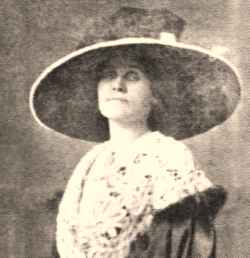
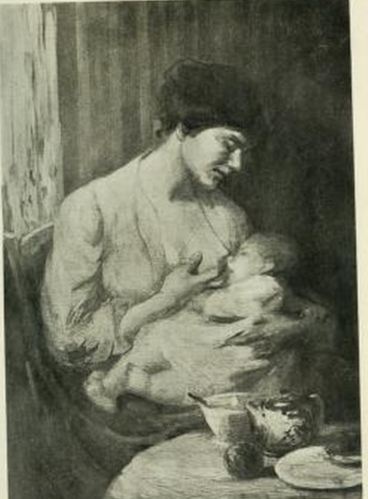
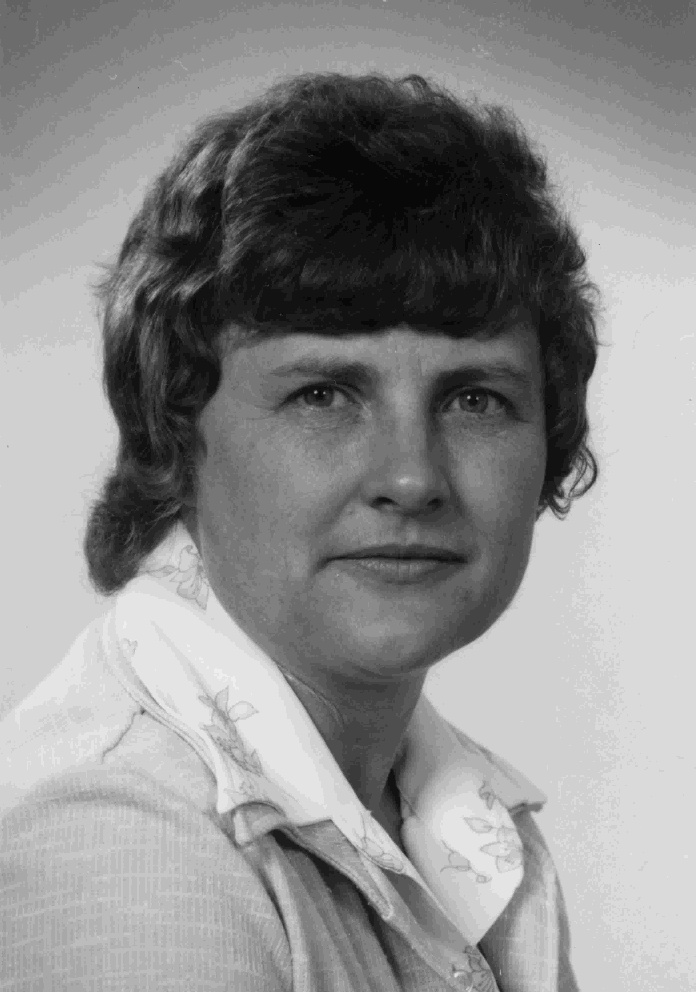
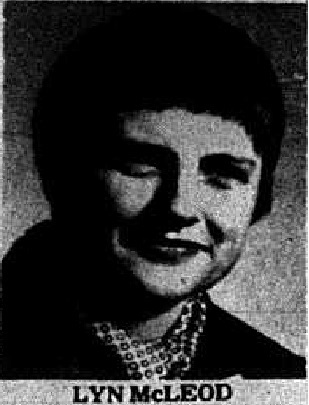
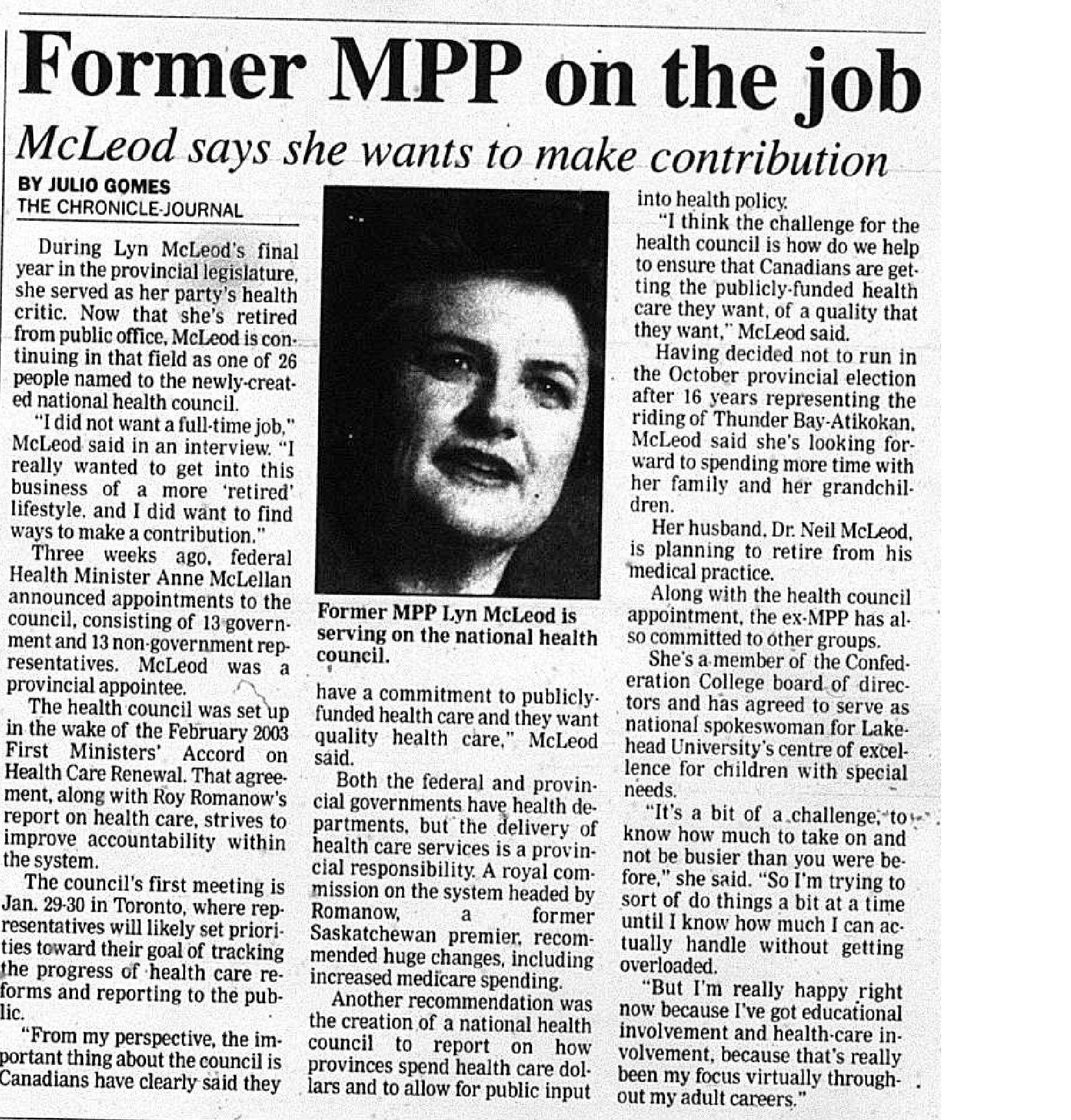
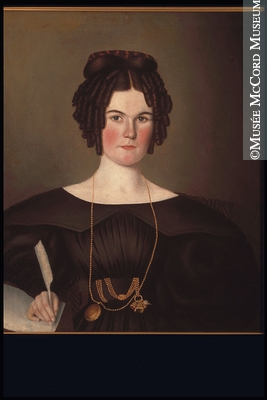
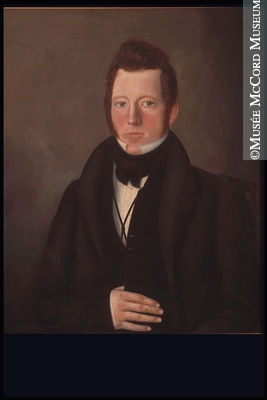
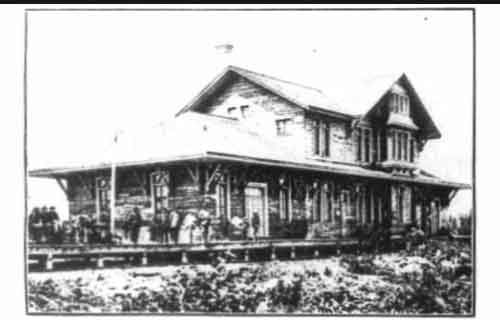
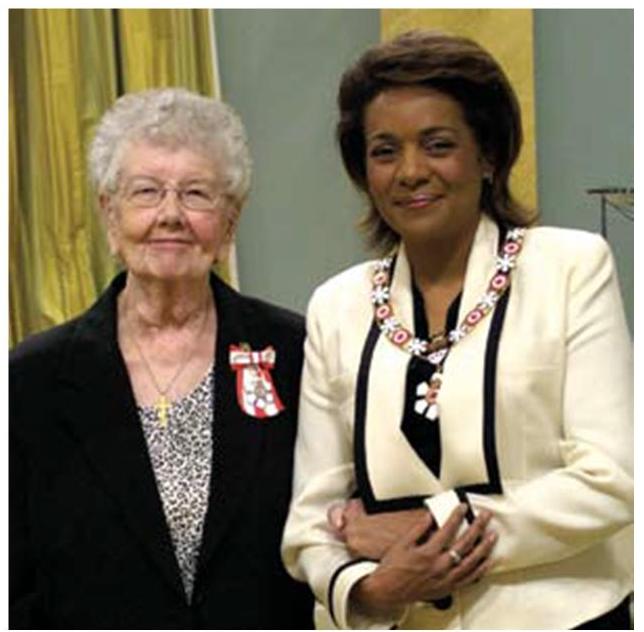
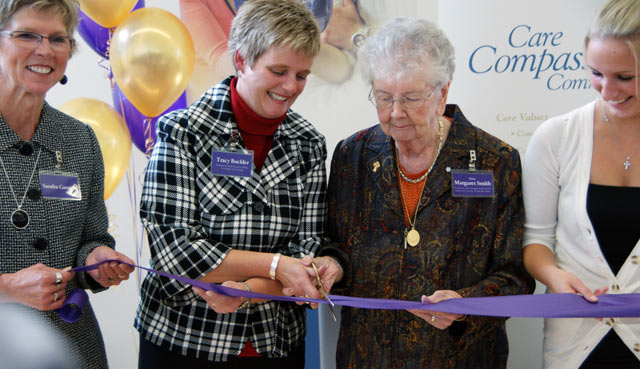
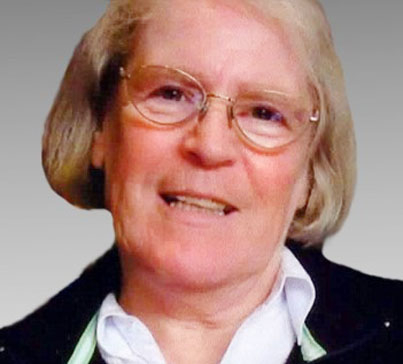
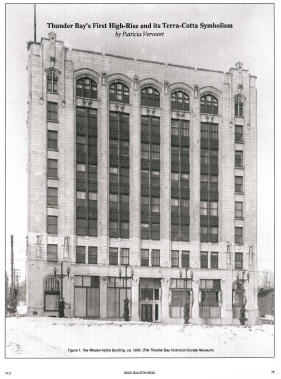
2015 Women's History Month
| Betty Kennedy |
|
Betty Kennedy's career of civil service and community leadership spans more than three decades, during which she has become a leading figure in numerous organizations and sat on multiple committees. Known for her advocacy of civil rights surrounding poverty, children, and Aboriginal issues, her influence has shaped local and provincial organizations and brought important social issues to public awareness. After a formal education in sociology and social work, Kennedy spent her life engaging societal issues within and alongside a variety of organizations. A partial list of her partners includes the Thunder Bay Regional Hospital, the Federation of Canadian Municipalities, the Ontario Non Profit Housing Association, and the Ontario Federation of Indian Friendship Centers. Though diverse in aims and scope, each of these groups shared Kennedy's goal of supporting struggling Canadians. Concurrent with much of her social work was Betty Kennedy's long position on Thunder Bay's City Council, representing McKellar ward. From 1983 to 2003, she successfully advocated for social and economic development to assist those most in need and her constituents as a whole. Her most recent efforts include heading Ontario Native Women's Association from spring 2010 to fall 2013, after which she transferred over to lead the affiliated Ontario Native Women's Charitable Foundation. On November 2012, Betty Kennedy was honoured for her efforts to improve Canada and the lives of Canadians with the Queen Elizabeth Diamond Jubilee Award. She continues to act for equality and happiness in Ontario, and serves as role model for activists through the province.
Civic Beautification Awards Banquet held at the St. Joseph's Heritage. Ald. Sterling Lysnes is the gentleman seated on the left and Ald. Betty Kennedy is the woman seated on the right. City of Thunder Bay Archives 2001-25-5 Prepared by: Richard Mastrangelo, Thunder Bay City Archives, Summer 2015 |
| Gertrude Cornish Knight |
|
Knight Family Photograph ca. 1911. TBHMS
Gertrude was born in southwestern Ontario to John Cornish and Louise Overton. The Cornish Family moved to Winnipeg where Gertrude was raised. A story published in the Port Arthur Daily News tells of her upbringing and influences that established her beliefs about motherhood, patriotism and temperance. In April of 1898, Gertrude married Frederick Thomas Knight, a railway machinist who was transferred to Port Arthur in 1908 as foreman for the CNR. The Knights had three children: Gordon (1899), Orval (1900), and Ardath May (1902). Orville Knight was a former councillor in Port Arthur from 1935 to 1936. She was an active member of Trinity Methodist Church where she was a Sunday School teacher and leader of the Sunshine Mission Band. She was active in the Women's Temperance Union and became president. As a journalist she contributed poems and features on parenting to the Port Arthur Daily News, eventually taking over the daily Women Readers Page as Miss Helper and wrote a Sunday Boys and Girls column. As a member of the Canadian Women's Press Club, in the early 20th century she was Port Arthur Daily News women's page editor. Gertrude wrote poetry that reflected the late Victorian values with sentimental and moral themes. Considered an evangelical feminist, her writing supported the Woman's Christian Temperance Union and the Methodist Church. Noted also for her patriotism, Gertrude also wrote of imperialism and Canadian Nationalism. She wrote stage productions involving children and their parents that raised money for charity and war relief. "The Courtship of Miss Canada", her first and most successful production, achieved national exposure. During World War One, Gertrude composed songs and produced stage productions including the successful "War Time in Song and Story", a traditional patriotic pageant for children. She raised about $10,000 for patriotic causes through her poems, plays and songs during the war. Suggested by David Nicholson Reference: Thunder Bay Museum's Papers & Records XXIV from 1996 Wartime in Song and Story by F. Brent Scollie. |
| Charlotte MacGillivray-Amar |
|
Charlotte MacGillivray in a photograph with members of the MacGillivray Pipe Band.
Charlotte was born on Sept. 30, 1917 in Port Arthur, Ontario. She was the only daughter of the late Doctor and Mrs. Thomas Dow MacGillivray of Port Arthur, Ontario and granddaughter of the late Very Reverend Malcolm MacGillivray, Moderator of the Presbyterian Church of Canada. Charlotte was the Honorary Chief and Patron of the MacGillivray Pipe Band. The band was a gift to her from her loving father on the occasion of her birth in 1917. After finishing her formal schooling, Charlotte began a modeling career in London. She was among the earliest models to be photographed rather than sketched, and appeared in ads in magazines such as Mayfair, Town & Country and Vogue. She ended her modeling career soon after meeting Francis X. Murphy, whom she married at Saint Patrick's Rectory on July 17, 1940. Upon the death of Mr. Murphy in 1958, Charlotte was the first woman member of the Canadian Press for many years. Charlotte was President and owner of the Fort William Times Journal and also President and owner of the James Murphy Coal and Oil Company. Charlotte Macgillivray retained ownership of the designated heritage property known as the Murphy Mansion until 1986. Charlotte was well known for her many charitable works, among them Saint Joseph's Orphanage, The Thunder Bay Historical Museum, McKellar Hospital, Port Arthur General Hospital, Saint Andrew's Presbyterian Church, and the Frank Murphy Recreational Centre. St. Patrick's Cathedral has a beautiful, large stained glass window dedicated in loving memory of Frank X. Murphy and his family. In the early 1950's, Charlotte was instrumental in having children with cerebral palsy recognized and started a school for them which was in the Baptist Church at Brodie and Donald Streets. MacGillivray-Amar passed away at the age 97 at her residence in Palm Beach, Florida, on April 25, 2015. She is survived by her husband Leon Amar.
Newspaper clipping featuring Charlotte MacGillivray announcing her marriage to Mr. Frank Murphy. Suggested by: Larry Hebert |
| Dorothea Mitchell |
|
Born in England in 1877, Dorothea spent her younger years in Bombay, India being educated as a colonial elite. Her mother also encouraged participation in untraditional activities for young girls: carpentry, marksmanship and riding. With the death of her father in the 1890's, Dorothea became provider for her mother and a sister. Realizing the limited opportunity in England, Dorothea immigrated to Canada in 1904. After settling in Toronto, Dorothea Mitchell left in 1909 to take a position as companion-help in Silver Mountain. She remained and served as station master at Silver Mountain Station and ran a sawmill, which earned her the nickname Lady Lumberjack. She became the first woman to be granted a Homestead, although it was only 79 acres rather than the usual 160 as she was not married. Moving to Port Arthur in 1921, Dorothea worked as a teacher and as an accountant. A proficient photographer and ardent writer, she co-founded the first amateur film group in Canada: the Port Arthur Amateur Cinema Society. The society produced the first Canadian feature-length film by non-professionals: "A Race for Ties" based on Dorothea's experience with a crooked lumber dealer. In 1930, Mitchell became the first secretary-treasurer for the new Port Arthur General Hospital. She had taken over a real estate and accounting business in Port Arthur and was also involved in St. John's Anglican Church and the Imperial Order of Daughters of the Empire in Port Arthur. In 1939, at the age of 63, Mitchell enlisted in the Red Cross Society and worked in the transportation corps and the office of Voluntary Registration of Canadian women at the onset of World War II. She continued working for the military, helping the dependents of servicemen as well as aiding British orphans until she retired to the West Coast in 1941. In 1968, at the age of 91, Mitchell published a book of autobiographical short stories, entitled Lady Lumberjack. At the age of 99, Dorothea won an award from the Canadian Authors Association. Mitchell died in Victoria in 1976. The Silver Mountain and Area Historical Society is working towards designating a portion of Highway 593 as the Dorothea Mitchell Memorial Highway. Submitted by: Shelley Simon, Silver Mountain Station, Silver Mountain and Area Historical Society
|
| Judith Mongrain |
|
Judith Mongrain
Raised in Westfort, Judith graduated from Confederation College in 1969. Beginning a career with the City of Thunder Bay, she started working with Social Services, later with payroll and then as storekeeper, retiring after 34 years of service. Judy was the president of CUPE 87, the largest city workers' union in Northwestern Ontario, for more than 20 years. Because of her demonstrated leadership at the Local level, Judy was elected to many important positions nationally (CUPE National Executive Board Vice-President), provincially (Ontario Federation of Labour Vice-President), and locally (Thunder Bay & District Labour Council Vice-President). Among her more significant accomplishments for the citizens of Thunder Bay was the successful fight to prevent the privatization of water and sewer and garbage collection in the 1990s, and leading the fight to prevent the elimination of municipal child care services, starting in the 1980s. Rallying against the Mike Harris Government in the 1990's, Judith worked with Evelina Pan, President of the Thunder Bay District Labour Council, and Chris Mather of Thunder Bay Coalition Against Poverty organizing unions and community groups. Two marches were held culminating in a massive rally on the CLE grounds in 1997 that saw 5,000 people, the largest gathering of citizens in Thunder Bay for a social cause, the Thunder Bay Day of Action. Starting in the mid-1990s, the Thunder Bay and District Labour Council has held an annual Labour Day Picnic to celebrate all that working people have contributed to the community in the previous year and to present the Labour Person of the Year Award, given to the person felt to have made the most significant contribution to the local labour movement in the previous year. Judy helped for many years on Labour Day, and was the first recipient of the Award. The CUPE 87 newsletter highlights Judy's retirement party: "Well attended by dignitaries from all over Ontario including CUPE's National and Provincial presidents, our local NDP candidates, City Councillors, and other long time Unionist friends. Many great speeches were made detailing Judy's 20+ years of being a strong activist for not only CUPE 87 but of all social causes locally and globally." "Women have always played an important role in our community's life and aren't often recognized for that contribution. The same holds true for workers, whose activities keep things going. In Judith M. Mongrain we have the perfect combination of the two." Evelina Pan Submitted by Evelina Pan
Judith Mongrain seated at table. |
| Traude Wedding |
|
Photograph of Traude Wedding
When Traude started Little Lions as a stand-alone child care centre, she not only was the driving force behind the project, she also donated her salary back to the centre. She was instrumental in raising funds from many organizations and businesses such as the Rotarian, the Lions Club, George's Market, and Ontario Trillium Foundation, and government sources as well, such as COMSOC and the Ministry of Mines. Her major contribution as a teacher was the development of a new course for the Family Studies Program (The Canadian Family in Perspective) at Lakeview High School. Traude Wedding immigrated to Canada as a young wife and mother and held a variety of jobs before completing her BA BEd (Art and Psychology) at Lakehead University and her MA (Psychology and Fine Arts) at the University of Wisconsin. Traude taught Home Economics and Family Studies at Lakeview High School. As part of the Family Studies program that she developed, Traude started a small daycare which eventually grew into a full, independent child care centre based on the Waldorf philosophy. Traude was actively involved with the centre for more than 16 years. Thousands of children in Thunder Bay have reaped the benefit of Waldorf education in their early years due to the efforts of this remarkable woman. During those years, Traude was also involved in many community projects connected with the arts. She published the Silversmithing Student Handbook and Northern Gnomes and People Stories. In 1981 she designed a plaque and textile prints for the Canada Games and the Creative Canada Art Collection. In 2000, Traude become involved with Brain Injury Services of Northern Ontario and she continues to be engaged in the care of her daughter-in-law. Traude has built an all-year-round greenhouse on her property which can serve as a model for others who want to live a sustainable lifestyle in the north. Traude spends time in her garden and in the forest collecting plants which she turns into healing products such as salves, teas, tinctures, and health beverages. In 2015, at the age of 84, Traude embarked on a new project called Sanctuary@WomanHouse, where she intends to turn her home into a sanctuary for women in need of healing of mind, body and spirit. The energy of this dynamic woman is an inspiration to all women. She continues to make her mark on this community.
Photograph of Traude Wedding and Children. Prepared by Marilyn Grudniski |
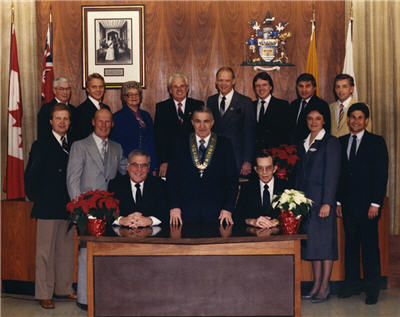 City Council 1986-1987, Mayor Jack Masters. City of Thunder Bay Archives 2010-25-21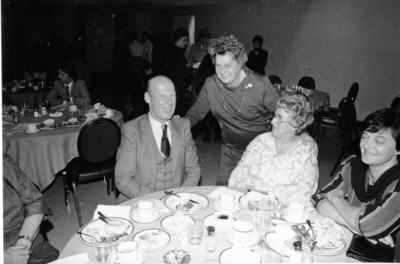
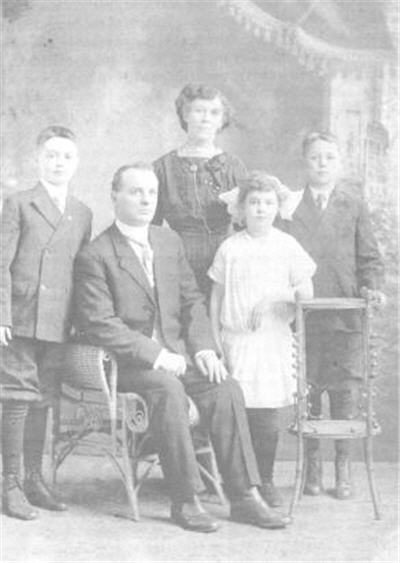
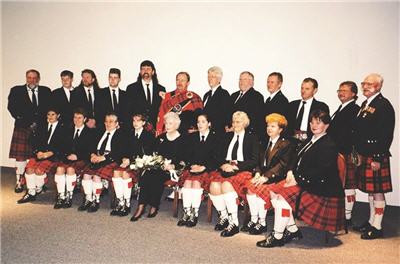
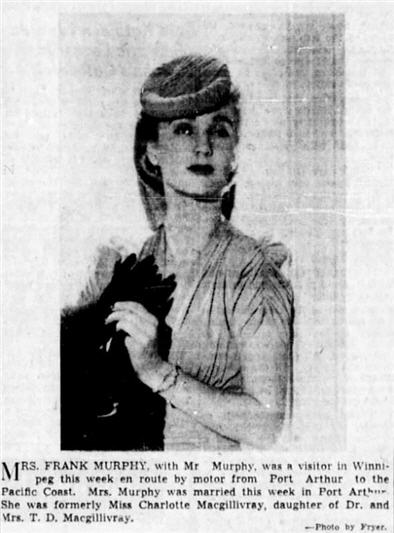

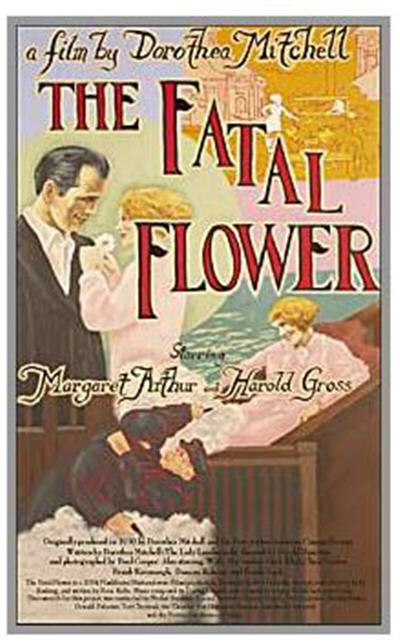
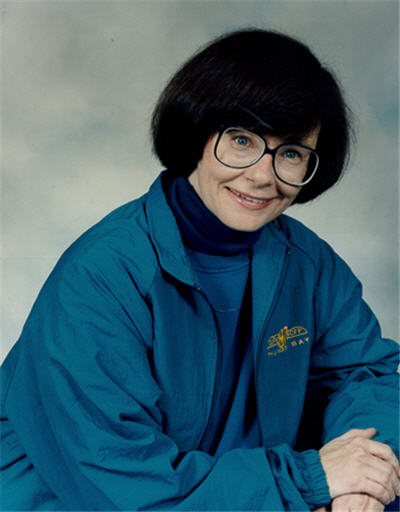
2014 Women's History Month
| Suzan Labine |
|
Photograph of Suzan Labine. Courtesy of the Chronicle Journal.
Suzan Labine's family, from left, Jeff Labine, Kelly Labine, Gil Labine, Peter Labine, Stephanie Adams and grandchildren Oscar Adams, Xavier Adams and Grace Adams, participated in Monday's dedication of the Junot Street park in her memory. (Karen McKinley) Courtesy of the Chronicle Journal Suzan Labine was instrumental in saving the green space next to the playground when council was considering building the new Superior North EMS headquarters there in 2009. It was noted that "as a result of her work and the work of many others, the park is preserved." "She was a real contributor to the city of Thunder Bay and especially children. She was a true leader in this community." Suzan Labine was chair of the Lakehead Board of Education and a trustee for six years and was involved with many volunteer organizations. As a member of the Organization for Quality Education she first suggested the committee investigate the International Baccalaureate program in Thunder Bay. The United Way has established the Suzan Labine Leadership Award in memory of the legacy of Suzan Labine. The award recognizes a compassionate and caring United Way of Thunder Bay "Leaders Of The Way" volunteer who best exemplifies the spirit of the United Way and an unwavering commitment to the betterment of our community, as demonstrated by Suzan Labine.
Tribute to Suzan Labine by Marc Mullo Submitted by: Marc Mullo |
| Mother Monica |
|
An image of Mother Monica. From the collection of St. Joseph's Foundation of Thunder Bay
St. Joseph July 1905. From the collection of St. Joseph's Foundation of Thunder Bay In 1881 a group of 5 Sisters from the congregation of the Sisters of St. Joseph came to the area that is now recognized as Thunder Bay to meet the unmet needs of the residents. Originally the Sisters set up a school but quickly identified that there was a great need for a hospital in this area. With the construction of the Canadian Pacific Railway underway, workers were at risk of injury or death due to the dangerous and difficult work they were doing.
A photo of the first hospital building in 1884. From the collection of St. Joseph's Foundation of Thunder Bay
A view from Algoma St. of the hospital (left) built in 1884 and the Convent and Church (right). From the collection of St. Joseph's Foundation of Thunder Bay In 1884, the Sisters were caring for patients at the makeshift hospital established in their convent, and Sister Monica was placed in charge of these nursing services. At this time, the need for a proper facility was evident. On September 8, 1884, the cornerstone for a new hospital was laid. This was to become known as St. Joseph's Hospital. Financing the needs of the Hospital was a heavy task. The town council had pledged $50 a month to the Sisters, but many of those who were treated were on low wages or unemployed. In those days no welfare provision for health care was available. But the nuns, led by Sister (after 1887 Mother) Monica, were industrious in seeking funds and innovative in their methods. One account of these years, written in the 1950s, records: "These were the days when Mother Monica personally conducted hazardous trips up and down the line of construction (of the CPR) to collect in the camps money to carry on her work of mercy... and though... little money was in circulation, the Sisters were never refused their dollar. A person could buy a hospital card for $5 for which in case of accident or sickness the holder would be taken care of during his stay in hospital without additional costs." Mother Monica headed the Hospital from 1884 until her retirement in 1923. Her influence upon the development of St. Joseph's Hospital was, therefore, paramount. She oversaw the expansion of the Hospital and its services during a period of very rapid growth of both Port Arthur and Fort William. By 1900, such was the demand for hospital services that the Sisters built an additional three-storey wing to the original structure, which itself received a third floor to match it. In 1904, a third wing was added and St. Joseph's Hospital School of Nursing was established.
Operating Room, St. Joseph's Hospital, 1906. From the collection of St. Joseph's Foundation of Thunder Bay
Photo of the first graduating class from St. Joseph's Hospital School of Nursing with Nursing School Director (centre) 1907. From the collection of St. Joseph's Foundation of Thunder Bay By 1918 construction was completed on another five-storey wing. The fifth floor housed surgical facilities of the most modern kind. By that time the Hospital could accommodate 150 patients with a staff of fifty. In 1922 the Hospital received an A1 grade from the American College of Surgeons. As Mother Monica's life drew to its close in 1931, she would have every reason to feel proud of her achievements. In addition to her sterling leadership, she had set a precedent for future administrations of the Hospital - that it would be headed by a series of powerful women. One cannot think of another major institution in the region that can make such a claim. As in so many other ways, St. Joseph's Hospital was ahead of its time. Submitted by: St. Joseph's Foundation of Thunder Bay |
| Catherine Seppala |
|
Portrait of Catherine Seppala, City of Thunder Bay
Mayor Seppala and Council at Inaugural Meeting of Fort William City Council, 1960. City of Thunder Bay Archives 1991-02-53 Catherine Seppala was the first and only woman to serve as Mayor of Fort William. She won three elections as a Councillor before running and winning the Mayoral race in 1959. As one of few female politicians at that time, she faced sexist criticism, but countered during her 1953 campaign, "A woman who can run a modern home can contribute to council service." She was one of three women elected to council that year, and all three continued to serve together until Seppala became Mayor.
Councillor Seppala volunteering at a community event, July 1956. City of Thunder Bay Archives 1991-6-107 Seppala was focused on the wellbeing of her city, both physical and moral. She was involved in the Neebing River Conservation project as well as the construction of the Westmount Hospital during her time as Mayor. She was an active volunteer throughout her life, working with more than 16 different organizations. Her work with the Canadian Red Cross was recognized by Queen Elizabeth II. As chair of the Fort William Winter Carnival Queen contest, she banned swimsuits in favour of more seasonally appropriate skating skirts, sweaters and tams. Her good works are often overshadowed by an incident that resulted in her being deemed the "Book Burning Mayor". Objecting to what she felt was an obscene book, she strongly suggested to a local bookseller that he remove copies of Lady Chatterley's Lover from his bookstore. Worried about recriminations from City Council, the bookseller removed the books and took the extra step of burning more than 700 copies in the City's incinerator. Unfortunately, Seppala's time as Mayor was cut short. Due to ill health, she stepped down from the position three months early, in September 1960. She passed away in 1975. Submitted by: The City of Thunder Bay Archives
Mayor Seppala, some Councillors and others, likely members of the Royal Visit Committee, when Queen Elizabeth II and Prince Philip visited Canada, and Fort William, for the opening of the St Lawrence Seaway, July 1959. City of Thunder Bay Archives 1990-17-50 Bibliography: Busby, Brian, "Freedom to Read Week: Catherine Seppala, the Book Burning Mayor of Fort William, Ontario." February 24, 2014. Mount, Nick, "What Thunder Bay Burned: And how Lady Chatterley wrote our obscenity law", The Walrus, January/February 2010 Tronrud, Thorold J. and A. Ernest Epp, eds. Thunder Bay: From Rivalry to Unity. Thunder Bay Historical Museum Society, 1995. |
| Elizabeth Smellie |
|
Portrait of Elizabeth Smellie, Courtesy of the Thunder Bay Military Museum
Ontario Heritage Plaque for Elizabeth Smellie. Elizabeth Smellie was the second of four daughters of pioneer doctor and Member of Parliament Thomas S.T. Smellie and his wife Janet Lawrie. With an austere and strictly disciplined upbringing, Elizabeth had her father's missionary zeal, real bearing and strong will. Despite her father's opposition to her ambition to become a nurse she applied to John Hopkins Hospital in Baltimore, graduating in 1909. After serving briefly as a night nurse at McKellar General Hospital, Beth, as she was known, went to Detroit to pursue a career as a private nurse. Enlisting in 1914, she went to England as a lieutenant with the Royal Canadian Medical Corps. Acknowledged for her work, she received the Royal Red Cross by King George V at Buckingham Palace. She continued with work in Ottawa, teaching at McGill and serving as Chief Superintendent with the Victorian Order of Nurses, expanding the order across Canada. In 1940 she returned to the military as matron in chief helping to organize the Canadian Women's Army Corps. Promoted to Colonel in 1944, she was the first woman achieve that rank in the Canadian Army. Recognizing her contributions in both the military and civilian medical establishments, the City of Thunder Bay and the Ontario Heritage Trust unveiled an Ontario Historical Plaque in her honour on June 20th of 1975, originally placed near the McKellar Hospital.
Clippings from the Chronicle Journal highlighting the unveiling of the Elizabeth Smellie plaque. Courtesy of the Thunder Bay Public Library. She is also commemorated in the January 2000 Stamp Series Millennium Collection: Humanitarians and Peacekeepers.
Photograph of Elizabeth Smellie, seated. Courtesy of the Thunder Bay Military Museum |
| Thank you to all participating institutions, organizations, and individuals: |

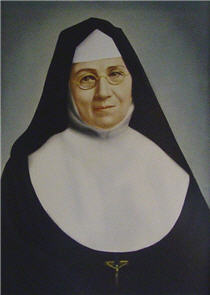
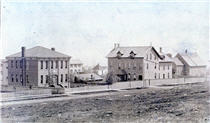
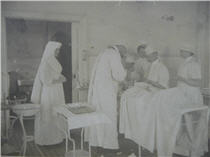
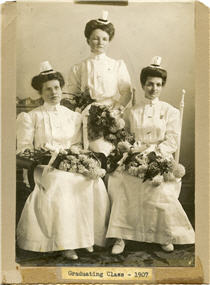
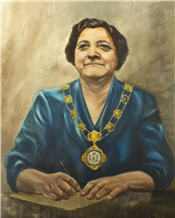
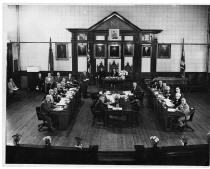
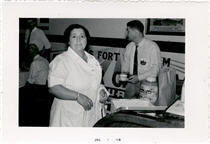
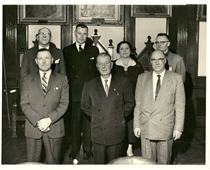
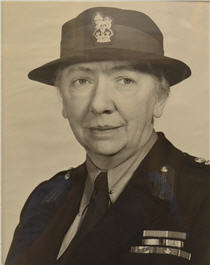
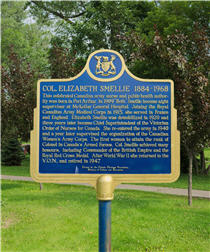
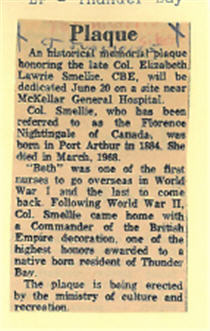
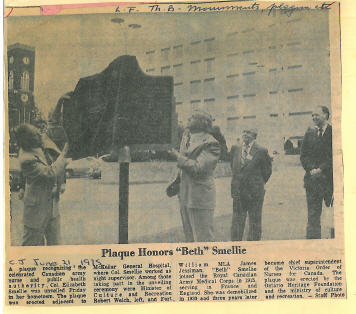
2013 Women's History Month
| Mary J. L. Black |
|
Mary J. L. Black. Accession P1298. Courtesy of the Thunder Bay Public Library.
Appointed as the first librarian for the Fort William Public Library (now the Thunder Bay Public Library) in 1909, Mary J.L. Black came on board without any formal education or training. She went on to successfully lead the Library for 28 years, in addition to other major local and provincial accomplishments. Miss Black helped to bring the Fort William Public Library out of the City Hall basement and into a brand new Carnegie Library, which opened in 1912 (now the Brodie Resource Library). With a strong focus on service and access, Miss Black coordinated the first mobile library collections being sent out into "New Ontario". These collections brought the library into remote communities far ahead of the introduction of a bookmobile. Her contributions and achievements were commemorated in 1938 with the dedication of the Mary J. L. Black Library. Beyond the library, Miss Black was the first female president of the Ontario Library Association in 1917. She also made significant contributions to the Canadian Library Association later in her career. She was an active member and preservation advocate with the Thunder Bay Historical Society, with whom she published a number of articles about the library. Further, the Women's Canadian Club welcomed her as their President from 1916-1918 and she held the post of district commissioner for the Girl Guides for several years. Submitted by Thunder Bay Public Library
M J L Black Library. Accession P1306(4). Courtesy of the Thunder Bay Public Library.
Fort William Public Library (1910-12). Accession P-1388. Courtesy of the Thunder Bay Public Library. |
| Hilda Donati |
|
Hilda Donati (ca.1945) Courtesy of the Northwestern Ontario Sports Hall of Fame archives.
From the 1930s to the 1950s, Hilda Donati contributed greatly to the development of the game of hockey. Arriving in Port Arthur from Manitoba in the early 1930s, she became an executive member of the Port Arthur West End Junior Hockey Organization in 1936, a position she held for many years and one not commonly undertaken by a woman during that time. In addition to being a dedicated volunteer, she was also a truly rabid hockey fan with her antics being legendary, including the tossing of a corset onto the ice at Maple Leaf Gardens in 1946. Hilda's affiliation with Pee Wee hockey began in 1942. Tom Crompton, then President of the Port Arthur Minor Hockey Association, mentioned to Hilda while visiting her store, which was located across from the Port Arthur Arena, that he needed one more sponsor for a team in the Pee Wee division of the PAMHA. Hilda took up the challenge, not only taking over the sponsorship, but some coaching duties as well. As if in a storybook, Hilda's team went on to win the Pee Wee championship title that year. Realizing the number of youngsters who wanted to play hockey but were unable to gain a spot on a team in the Pee Wee division, Hilda decided to create the opportunity for them. Acting as the prime fundraiser, organizer, and manager, Hilda helped establish Thunder Bay's first Pee Wee hockey league which, by some reports, was also the first of its kind in Canada. In its first year of operation, 'Hilda's League', as it was called, consisted of eight teams, with each one of the players being personally selected, assigned, and outfitted by this one-woman dynamo. By 1948, the league had grown to include over 20 teams and over 300 players, with its founder being referred to as "Mrs. Hockey" in an article published by MacLean's Magazine that same year. The league continued on until the early 1950s with Hilda's League icing teams in the Midget, Bantam, and Juvenile circuit, and many of her players going on to enjoy successful hockey careers. Through her efforts, thousands of young athletes, who otherwise may not have had the chance, were able to participate in the game of hockey. Sadly, at the age of only 46, this outstanding community volunteer, who was employed in 1956 as a welfare worker, was struck and killed by a train on her way to visit a family in need. Hilda Donati was inducted posthumously into the Northwestern Ontario Sports Hall of Fame on September 17, 1988 in the Builder category. Submitted by Diane Imrie, Executive Director, Northwestern Ontario Sports Hall of Fame
Hilda pictured with players from her team. Tom Crompton (in tam) in back row. Courtesy of the Northwestern Ontario Sports Hall of Fame archives.
R.C. Chambers, on behalf of Port Arthur Mayor Charlie Cox, presenting a $100 cheque to Hilda Donati in 1947 to help defray costs for her Pee Wee hockey league. Accession 987-49-6. Courtesy of the Northwestern Ontario Sports Hall of Fame archives.
First Annual Banquet of Hilda's Pee Wee Hockey League (April 1946) Accession 987-49-8. Northwestern Ontario Sports Hall of Fame archives.
Members of one of Hilda's hockey teams. Northwestern Ontario Sports Hall of Fame archives. |
| Marguerite McLoughlin |
|
Marguerite Wadin McLoughlin. Courtesy of Oregon Historical Society #bb006496
Marguerite McLoughlin was the mixed blood daughter of a Swiss-born fur trader and a Cree woman. At an early age, she witnessed her father's murder at the hands of Peter Pond at Lac La Ronge. One can only imagine how this traumatic event shaped her youth and early adulthood. At the age of eighteen, she married Alexander McKay à la façon du pays (marriage in the custom of the country) and together they had four children: Nancy, Mary, Catherine, and Thomas. After becoming a partner in the Pacific Fur Company, McKay left his wife to take care of herself and her children. A year after being "turned off" by her first husband, she married her second husband, Dr. John McLoughlin. With John, she had five more children, becoming the matriarch of one of the most prominent families at Fort William. While her husband practiced European medicine, the knowledge passed down to her by her mother made her skilled in utilizing the natural environment for healing and treating ailments. Eventually moving to what would become Oregon, Marguerite and John became founding members of the community, fighting for the rights of the settlers in the area. Marguerite was known in her lifetime for her beauty and strength of character. She died in 1860, three years after her husband who to this day is known as "the father of Oregon" for his role in establishing the rights of the settlers in the area. Marguerite McLoughlin is an example of a strong mother, wife, healer, and nation builder. Submitted by Fort William Historical Park
John McLoughlin meets Narcissa Whitman, the first white woman in Oregon, in 1836. Courtesy of the Oregon State Archives.
Old Fort William and the Hudson Bay Post, near the mouth of the Kaministikwia River (ca. 1853). John Herbert Caddy fonds/C-020770. Courtesy of Library and Archives Canada.
Hudson's Bay Company Post, Fort Pic, Lake Superior. David Ives Bushnell collection of Canadiana/C-114491. Courtesy of Library and Archives Canada. |
| Dusty Miller |
|
Dusty Miller (1978) Accession 1991-03, Item 113. Courtesy of the City of Thunder Bay Archives.
Dusty Miller's involvement with the municipal government of Thunder Bay stemmed from her advocacy for the arts. Although her career change from the arts community to municipal politics seems like a stark transition, to her it was quite natural. In an interview with Paula Thiessen of Bayview Magazine, Miller stated, "I ran for council deliberately because I always had to go to council for assistance. I thought it wouldn't hurt to have some kind of spokesperson who could speak knowledgeably about the arts. I have to say that the councils of Thunder Bay were quite open." In 1974, Miller became an alderman. Upon realizing that the city's government lacked expertise in arts and culture, and having only been a member of council for four years, Miller decided to run for Mayor. Concurrently, Miller was instrumental in developing an arts policy for the city: she was the first chair of the city's Arts and Heritage Committee, and also served on standing committees for family and children's services, non-profit housing, and architectural conservation. In 1978, she was elected, and Dusty Miller became Thunder Bay's first female Mayor, post amalgamation. She served from 1978-1980. After her mayoral term, Miller left politics. Five years later, she returned as a City Councillor and served the city until 1991. Miller was born and raised in Fort William, moved away for a time, and returned to the Lakehead in 1954. It was then that she became involved in community development, specifically with the local theatre community. For nine years, she served as the Artistic Director for Cambrian Players (then the Port Arthur Community Players), directing twenty-six plays and nine musicals. She helped Burton Lancaster set up Magnus Theatre. She taught theatre and television arts in local high schools, designed and co-directed the drama program for the Fine Arts Division at Lakehead University, and taught courses in the Performing Arts Management Program at Confederation College. She also participated as a founding member of Theatre Ontario, and was part of a group of people that established the Thunder Bay Community Auditorium. Some of Miller's awards include the Queen's Golden Jubilee Medal, Canada 125 Medal, Northwestern Ontario Business Award for Influential Women, the Maggie Bassett Award, the Thunder Bay Community Auditorium President's Award, the Order of Ontario, Lakehead University Alumni Honour Award and Lakehead University Fellow. Submitted by: the City of Thunder Bay Archives
Dusty Miller and P. R. Cook at sod turning ceremony for the Canada Games Complex (1979) Accession 2011-23, Item 1. Courtesy of the City Archives.
Signing of the Four Party Agreement (1978). Accession X989-004-76. Courtesy of The Chronicle-Journal and the Northwestern Ontario Sports Hall of Fame. Sources Used: "Mayor Dusty Miller." City of Thunder Bay. n.p., n.d. Web. August 2013. "Miller, Eleanor 'Dusty.'" Chronicle Journal. n.p., 16 Feb., 2012. Web. August 2013. Thiessen, Paula. "Dusty Miller." Bayview Magazine. Wrightsell Advertising and Design, 2012. Web. August 2013. Simko, Stephanie. "The memory of Dusty Miller." The Argus. n.p., 6 March 2012. Web. August 2013. "Eleanor Joan Miller." GlobeLife. Phillip Crawley, 10 March, 2012. Web. August 2013. |
| Margaret Phillips |
|
Margaret Phillips (2012) Courtesy of the City of Thunder Bay.
Margaret Phillips was a builder and promoter of the Northwestern Ontario women's writing community for close to thirty years. In 1984, Margaret Phillips and Anna McColl co-founded the Northern Woman's Bookstore. From discussions held by the Collective of the Northern Woman Journal - one of Canada's longest running feminist newspapers - it became evident there was a demand for women's literature, and no available bookstore within 1,000 miles. From a cubbyhole on Bay Street with 300 titles, the bookstore changed locations over the years, expanding its book selection, and in 1992 found its current home on Court Street. The site was large enough for book readings, potlucks, a book club, and the space to host a writing group. Margaret Phillips was a tireless advocate and educator for women's issues, particularly those specific to Aboriginal women and women of Northern Ontario. Phillips stated: "From the beginning an important role of the bookstore was to take books to women's gatherings throughout the district, to ensure readers from smaller and isolated communities had access to our books." The Northern Woman's Bookstore carries a selection of woman-centered, First Nations and Metis literature, books by local writers, as well as those dealing with violence, lesbian issues, and women's health. They host book launches, music events, book clubs, writers' circles, art installations, and workshops. In 2008, Margaret was awarded the KOUHI award by the Northwestern Ontario Writers Workshop for her outstanding contribution to the promotion and encouragement of writing in Northwestern Ontario. It was noted that the Northern Woman's Bookstore has provided a safe and supporting place for women and the writing community to gather and strengthen their voices. Similarly, in 2008, Margaret was recognized with the Bay Credit Union Social Responsibility Award, and in 2012 the Northern Women's bookstore was recognized by the Crime Prevention Council. The community safety award for Business recognized the Northern Woman's Bookstore and its team of volunteer staff for playing a fundamental role in crime prevention by empowering women for nearly 30 years. Submitted by the Community Arts and Heritage Education Project
Northern Woman's Bookstore (ca. 2012) Courtesy of the Northern Woman's Bookstore. |
| Catherine Vickers |
|
Catherine immigrated to Canada in 1832 as a newborn with her mother author Susanna Moodie and father, John Moodie, a retired officer who had served in the Napoleonic Wars. Catherine is known in Susanna Moodie's classic on Canadian Pioneer Life "Roughing it in the Bush," 1852 as little Katie. Catherine married John Joseph Vickers in 1855. An Anglo-Irish emigrant, John Vickers started the Vickers Express Company and developed interests as far afield as Fort William (Thunder Bay) including land holdings. Catherine and John had ten children: Georgina Eliza, John Alexander Dunbar, Katie Moodie, William Wallbridge, Isabella Josephine, Victor Gilmore Ridgeway, Ethel Rosina, Henrietta Moodie, Arthur Algoma and Agnes Strickland. Living in Toronto, JJ Vickers maintained close ties with prominent people in both Lakehead communities and invested in mining an in the local real estate, patenting 12.5 acres in the Fort William town site and reportedly owning over 1200 acres in the surrounding region. Today many streets in Fort William and the Westfort area are named for the family. In 1902, Catherine Mary Vickers made a ten acre donation to the town of Fort William on the premise that the "Public Park" or "Garden" be for the "free use and enjoyment" of the inhabitants of the town of Fort William. A famous condition was that boulders were to be placed in the four corners of the park in a visible and "conspicuous location." These boulders have the names of founders of Fort William inscribed into them: John Joseph Vickers, Catherine Mary Vickers, John McIntyre, and John McKellar. Other public art recognizes the family's contribution to the community. In 2006, as part of the reconstruction of the Vickers Street bridge, artist John Books created art work as a tribute to the Vickers and immigrants of Irish and Scottish descent: two Celtic harps that bear Catherine's and John's visages and sing from either side of the Neebing River. A small sentence from Catherine's diary has been sandblasted onto a granite bench at Prince Arthur's Landing: "If I were an artist, I would choose Thunder Bay in a storm as the greatest representation of the end of the world." Catherine Moodie Vickers (1873) Submitted by: the Heritage Advisory Committee
Vickers Street Bridge Sculpture of Catherine Vickers. Courtesy of John Books
Waterfront Public Art Literary Selections. Public Art City of Thunder Bay |
| Thank you to all participating institutions, organizations, and individuals: |
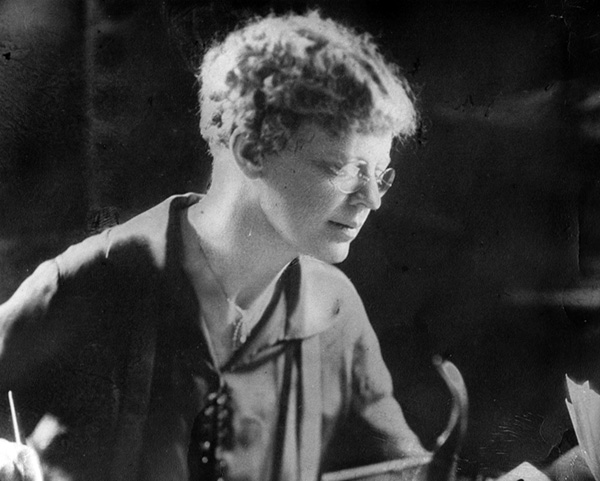
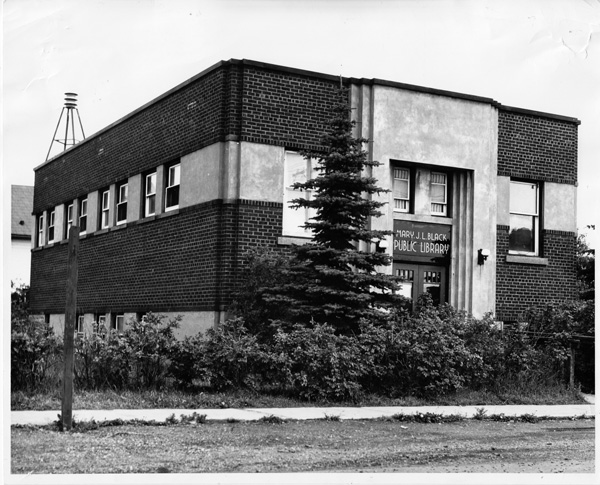
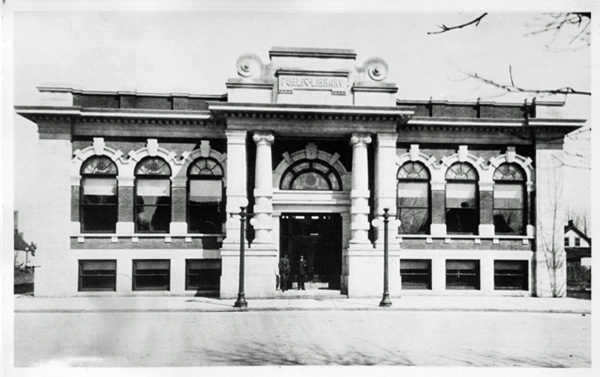
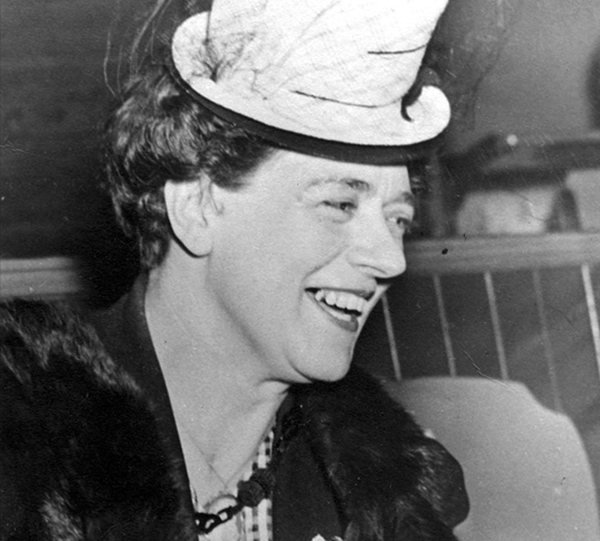
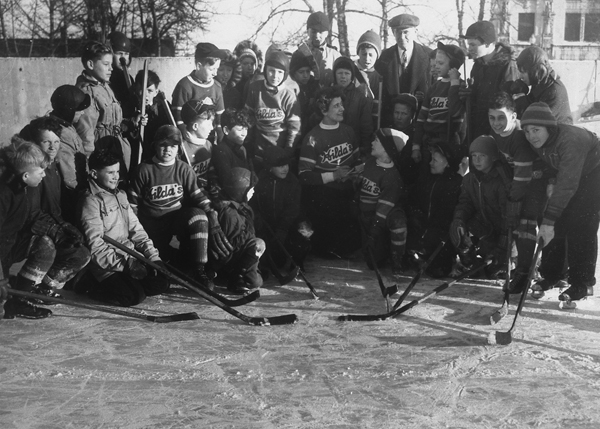
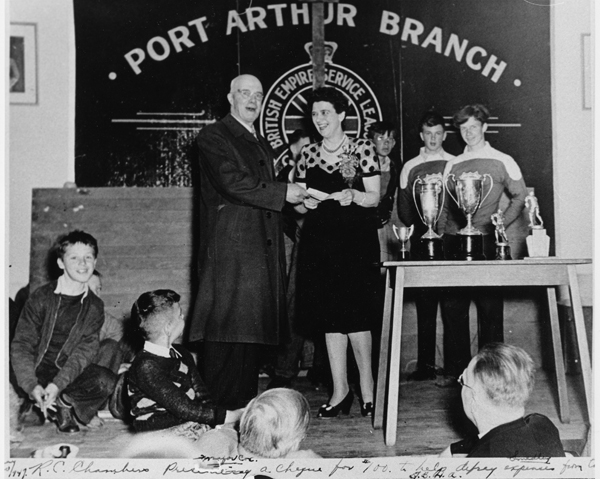
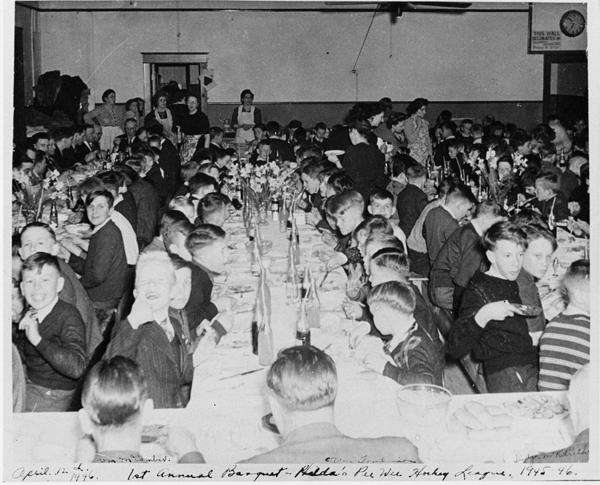
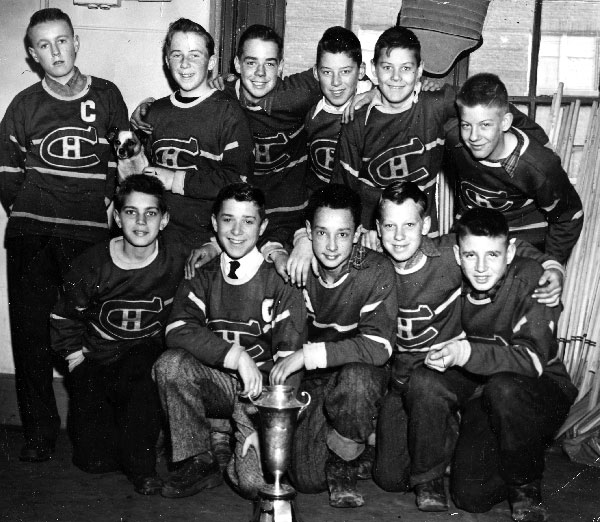
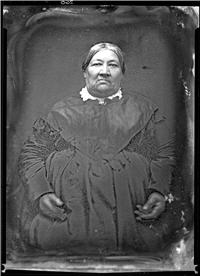
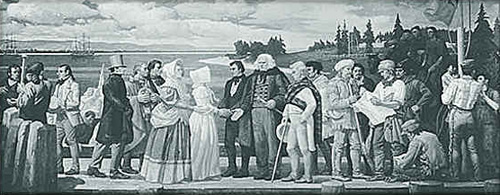
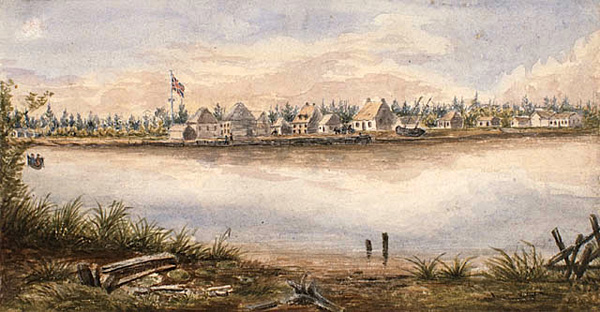
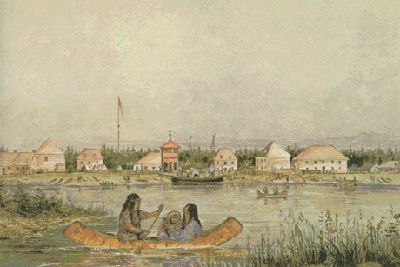
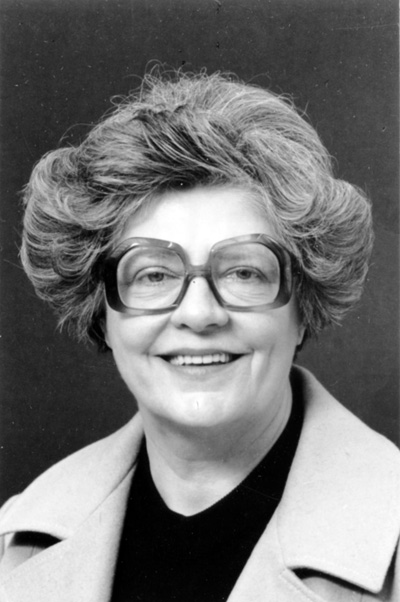
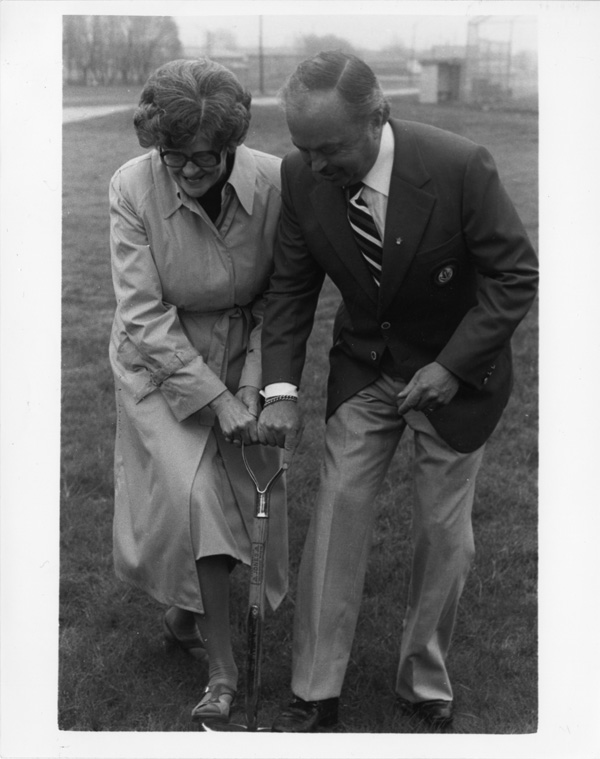
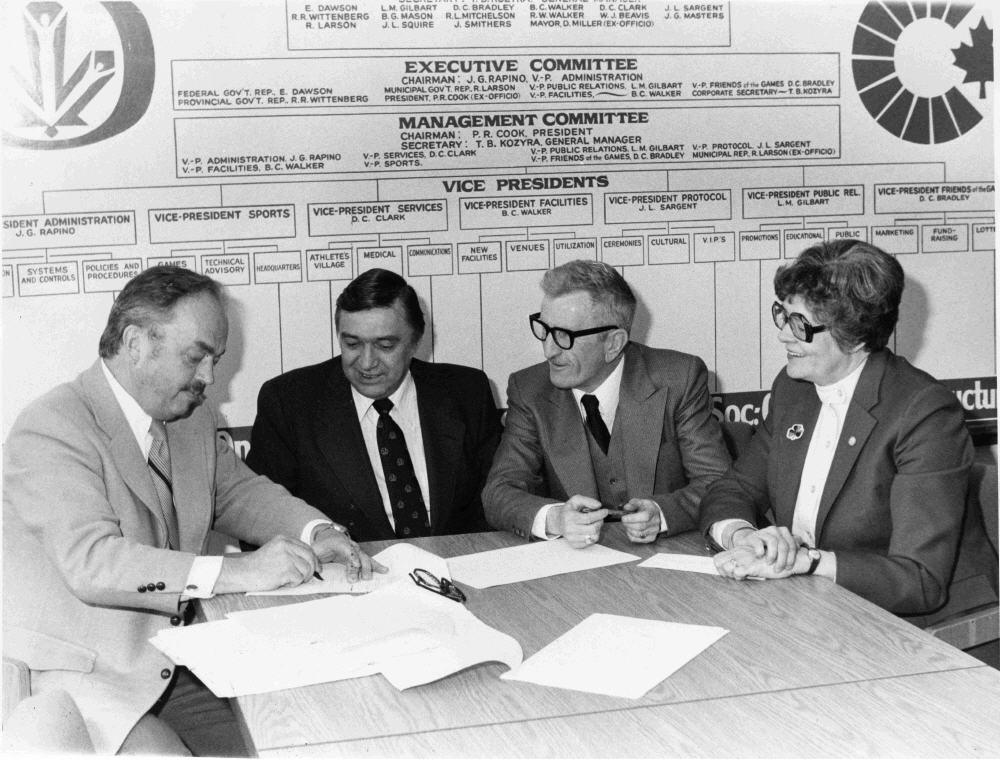
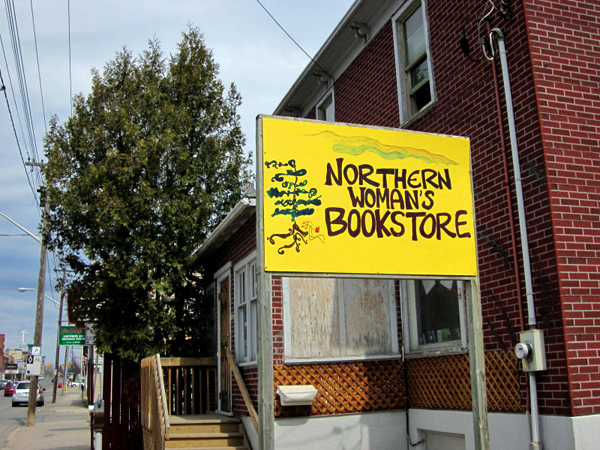
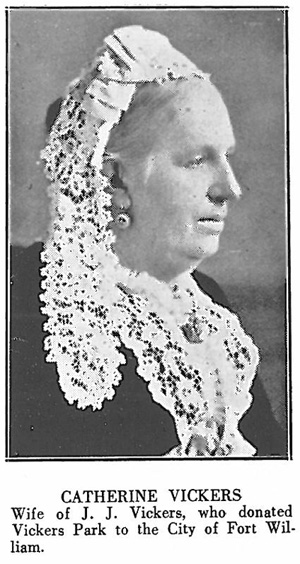
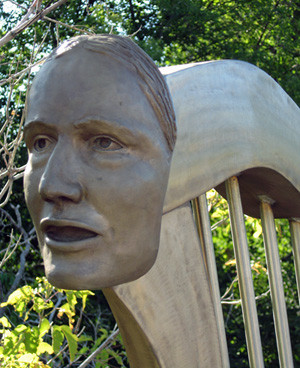
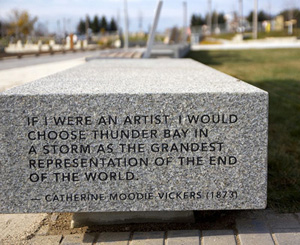
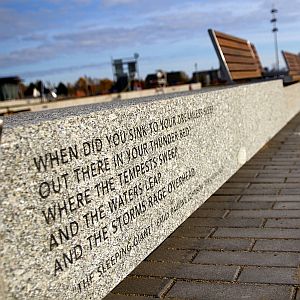
Submit a Nomination
Please let us know about women whose role in Thunder Bay's history should be celebrated. The person's contributions to Thunder Bay history should be significant and the facts in the biography must be true and verifiable. Your nomination should include:
- A short biography about the woman and her contribution to Thunder Bay's history
- A photo of the woman
- Any sources or additional information you might have
You can submit a nomination for this exhibit at any time. Nominations received between Mother's Day and July 1 will be considered for this year's exhibit. Any nominations that we receive after July 1 will be considered for next year.
Nominations can be sent to:
City of Thunder Bay Archives
500 Donald St. E.
Thunder Bay, ON
P7E 5V3
Additional Information
For more information on prominent women in Thunder Bay's history, or any other subject of interest, please visit or contact the City of Thunder Bay Archives.
Every precaution has been taken to make sure that copyright has been cleared for images used in this exhibit. If you have any concerns, please contact City Archives.
The funding for this exhibition was received, in part, from the Young Canada Works program that is administered through the Canadian Council of Archives. We appreciate the financial assistance.
View our Women's History Month 2020 Web Exhibit Launch video.
Contact Us
 Connect